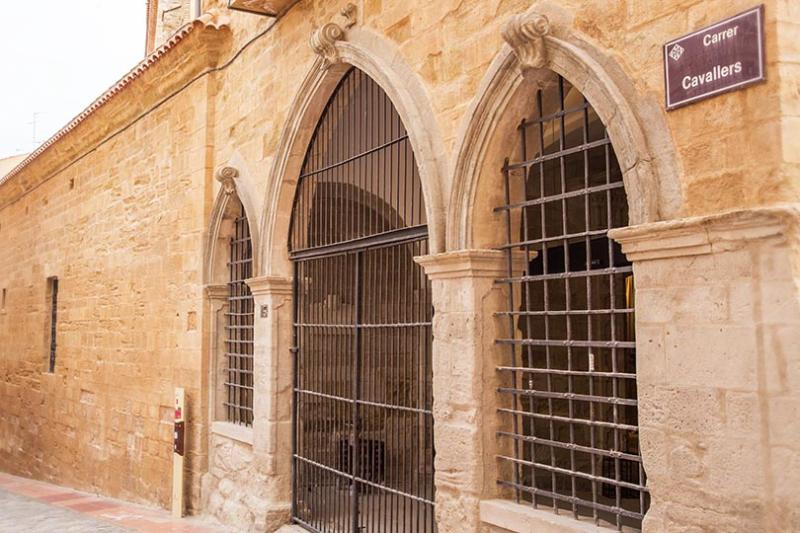
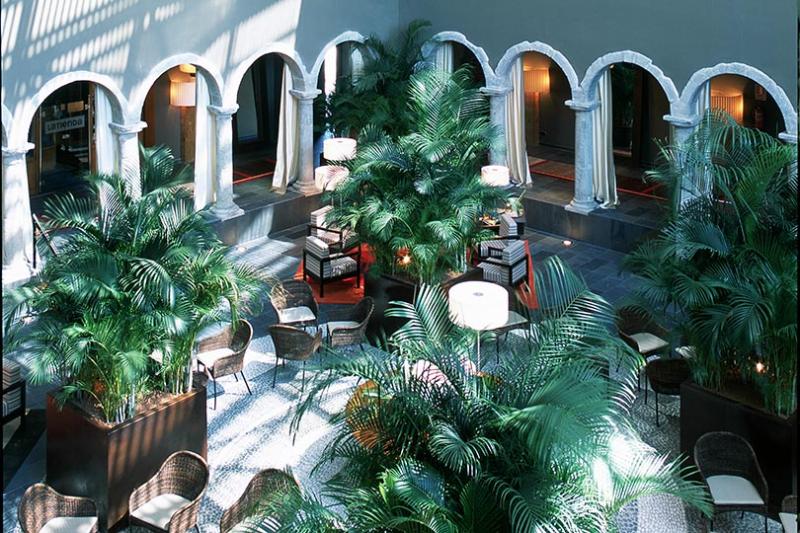
Before going to bed at my hotel in Lerida, I wonder if I might have troubled dreams. The latest addition to the state-owned Parador hotel range is converted from a 17th century convent, and played a part in Catalonia’s turbulent history.
In 1707 during the War of Spanish Succession, 700 people were sheltering inside during a siege when the convent was set alight. The many who died are seen as martyrs and the suppression of Catalan nationalism after the war is still a live issue today.
Fortunately I sleep soundly, but when dining in the hotel’s grand domed restaurant (the former church) or walking the corridors of the old cloister, I do feel part of history. Many of the 98-strong Spanish Parador chain are converted from castles, convents, palaces or other historic buildings. As they can be found all over mainland Spain (plus a few in the Canary Islands), there’s no better way of discovering the country’s history, culture, gastronomy and traditions on a trip there.
INLAND EXPLORATION
While the Catalan capital of Barcelona and the resorts of Costa Brava and Costa Dorada are very well known among the Brits, inland Catalonia is much less visited. Yet it’s home to historic towns, great food and wine, and scenery ranging from plains to the Pyrenees Mountains. I pick up a hire car in Barcelona to discover more of the region.
Situated in a fruit and vine-growing region 100 miles west of Barcelona, the small city of Lerida was also on the front line during the Spanish Civil War of 1936 to 1939, when English author George Orwell, whose books include Homage to Catalonia, fought on the losing Republican side.
Catalonia is now involved in an independence movement from Spain, which is proving as bitter and divisive as Brexit, with riots in Barcelona last October after nine separatist leaders were jailed.
When I drive on to the small town of Cardona, about 60 miles north of Lerida, there are banners in the main square demanding the release of so-called political prisoners and yellow ribbon signs (a pro-independence slogan) everywhere.
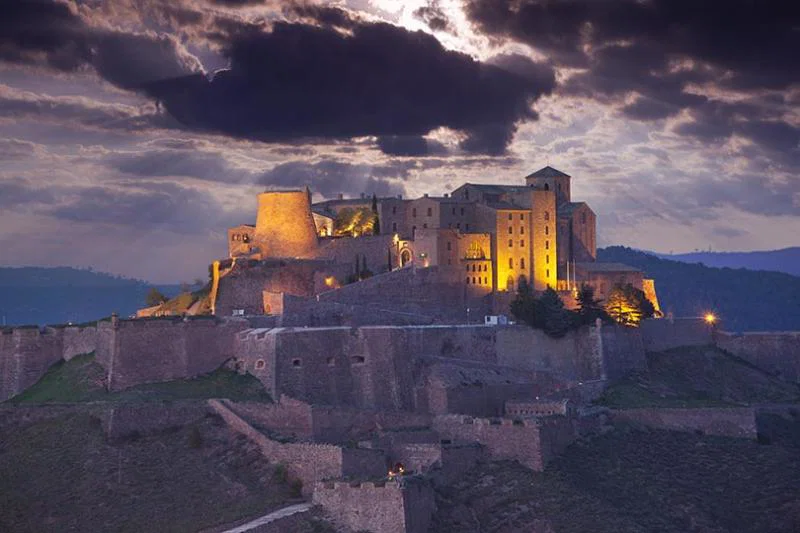
My main reason for visiting Cardona, however, is to see its fairytale castle, perched on a rocky outcrop above the town. The castle is also home to another Parador, whose vaulted dining room has walls two feet thick. Our room looks out to an ancient courtyard, and we join a guided tour (10:30 daily in English) to learn more.
It’s worth clients taking the tour, particularly if they’re interested in history. They’ll see parts of the castle not open to hotel guests, including the Romanesque church of St Vicenc and an audio-visual display of the great siege of 1714.
We also visit nearby Salt Mountain, a salt mine for hundreds of years. I learn that the word salary comes from salt, as Roman soldiers were paid with it.
We visit in summer, when temperatures can hit 40C, so it’s a relief to drive about 60 miles north to La Seu d’Urgell (112 miles from Barcelona) in the Pyrenees, where it’s about 10 degrees cooler.
This is an excellent area to visit, with a museum, churches and a cathedral to discover. There’s also the option of driving a few miles into the principality of Andorra for tax-free shopping. La Seu is one of the main activity holidays centres in Spain, with ski resorts nearby and 30 sign-posted hiking routes.
The Parador here is modern, though built on the foundations of an ancient convent, and as at Lerida, right in the town centre. Although the Paradors appeal mainly to mature couples, a large party of young British canoeists is also in residence when I visit.