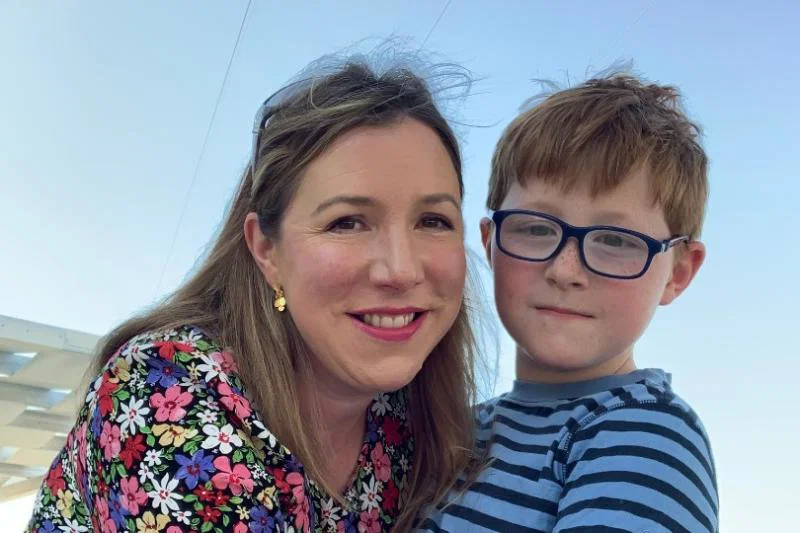
Before I had children, I had no idea how fraught planning a holiday could be for families like ours. Our middle child, Eddie, was diagnosed with autism in 2019, and we had our first proper family holiday overseas post Covid this June.
We travelled quite a bit pre-pandemic and had some stressful experiences with Eddie – think flailing around like a fly on the floor at a packed airport – so we really wanted things to go well this time.
We have two “neurotypical” children, who are 13 and eight, too and trying to find something that works for all five of us can be tricky. We settled on a villa with its own pool at the Peligoni Club on the Greek island of Zakynthos, so we had our own space, but also the benefits of a nearby beach club.
SUPPORT FOR FAMILIES
As parents of an autistic child, one of the things we struggle with most is the lack of awareness, training and sensitivity around autism. It is an invisible disability so it can be hard for people to understand that our son has additional needs.
When we booked our holiday to Greece, we really appreciated the call from the head of childcare at the club to find out a bit more about Eddie, his likes and dislikes and how they could help make it a better experience for him.
So what else can travel agents do to help make the process a bit easier for families like ours? What sort of language can you use and what sort of options work best?
Firstly, it’s important to note that neurodiverse children, like neurotypical ones, are all individuals so getting to know the family and the autistic child is essential.
Julia Gudinchet, founder of Sunflower Autism Consultancy, says learning a bit about the child, perhaps about what we call their “special interests” (in my son’s case, all things Lego, Minecraft and Star Wars) can really help.
“Other things to focus on would be ensuring the autistic child was involved in the whole process and was able to have their own input and make their own choices. Autistic children often struggle with a change of routine and this can cause anxiety, so giving them choices helps them to feel less anxious,” she advises.
Giving too many options might, however, be overwhelming so check with their parents first to see if it’s better to give them a limited choice. Say, a hotel on a beach so they have plenty of space to run about or a private villa with a pool so they don’t have to worry about having lots of people around.
Using lots of pictures of the hotel or activities can also help an autistic child process and consider what works best for them.
“Most of the autistic children I support struggle with social situations and changes to their routine so I would recommend making a social ‘story’ about the holiday with photos,” Gudinchet advises. “For example, a picture of the dining room and the sort of meals they offer or the staff who work there.”
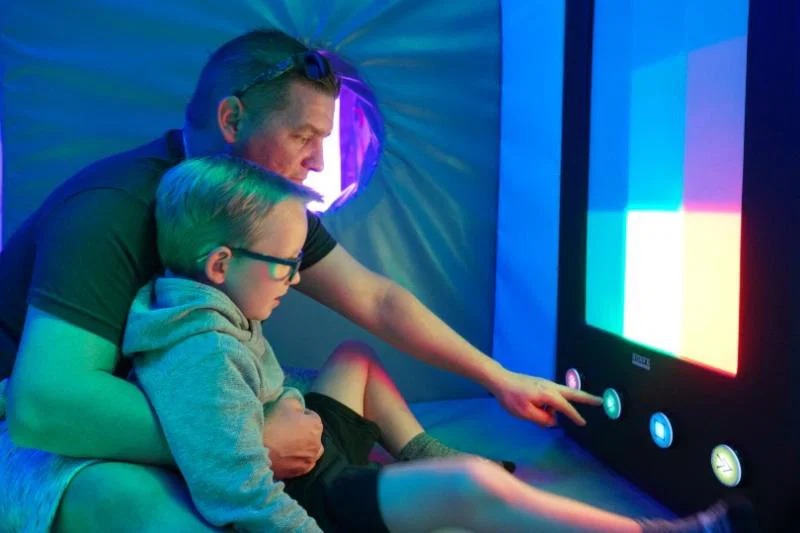
Sensory issues can be important to many autistic children, and their families. “Talking through any issues ahead of time and finding out what type of support would be helpful is a good idea. For example, lower lighting, black-out blinds, more space and even sensory rooms if available,” Gudinchet says.
USING THE RIGHT LANGUAGE
Catrina Lowri, founder of Neuroteachers, says agents should also be careful about the language they use when addressing and describing the autistic child.
“The autistic community tend to prefer identity-first language, meaning we say ‘autistic child’ rather than ‘child with autism’. I think this is the best language to use as it’s what the majority of autistic people prefer,” she explains.
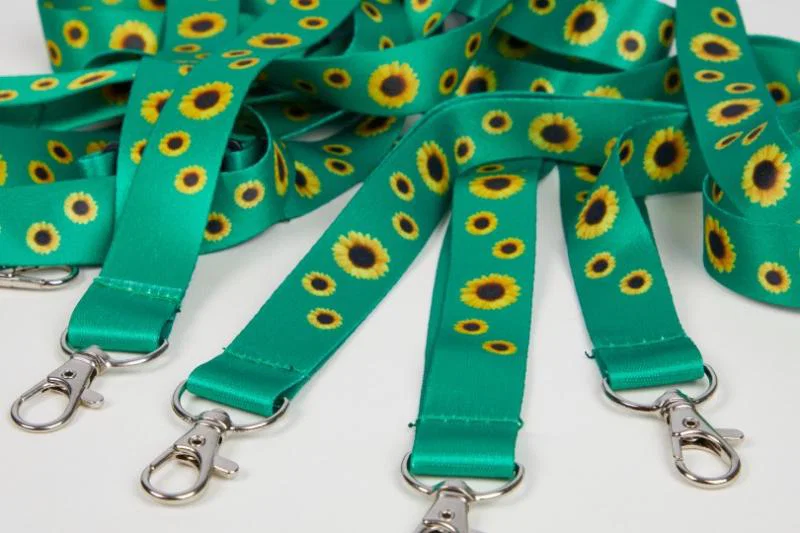
It is also worth noting that unless the parents specifically mention their child is on the autism spectrum or unless they are wearing a sunflower lanyard, it’s wise not to make any presumptions.
“I would under no circumstances ever infer that someone has a neurodivergent child if they don’t mention it first. I would follow their lead and if, for example, they mention their child struggles with social situations or anxiety, perhaps suggest the social story idea and say it has helped other families where they had a child with similar difficulties,” Gudinchet advises. “For some families, discovering and accepting their child is neurodivergent needs specialist advice throughout the process.”
Ultimately, it’s about getting to know the family and the autistic child so you can find practical ways to help them support their child and experience the best possible holiday. And knowing that you’ve taken the time and effort to do this will almost certainly be appreciated by your clients.