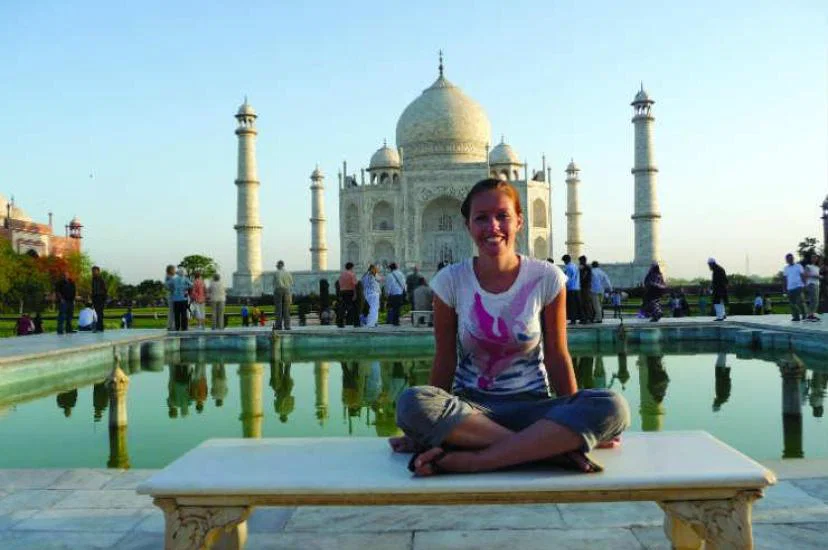
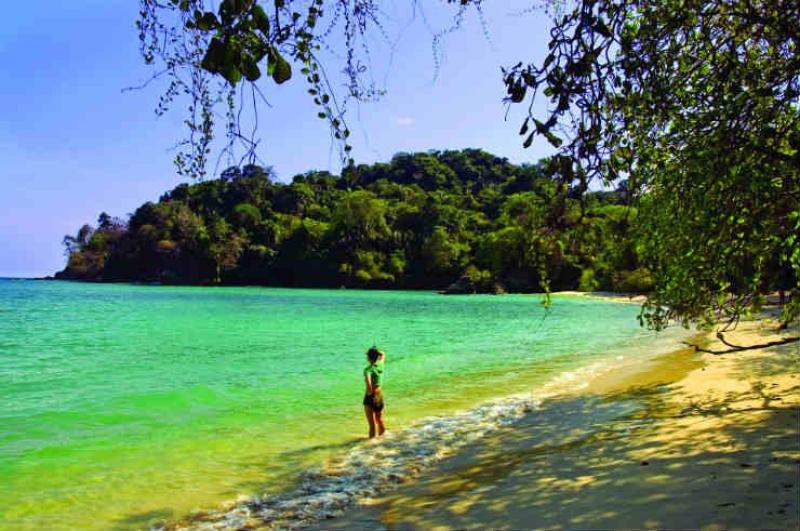
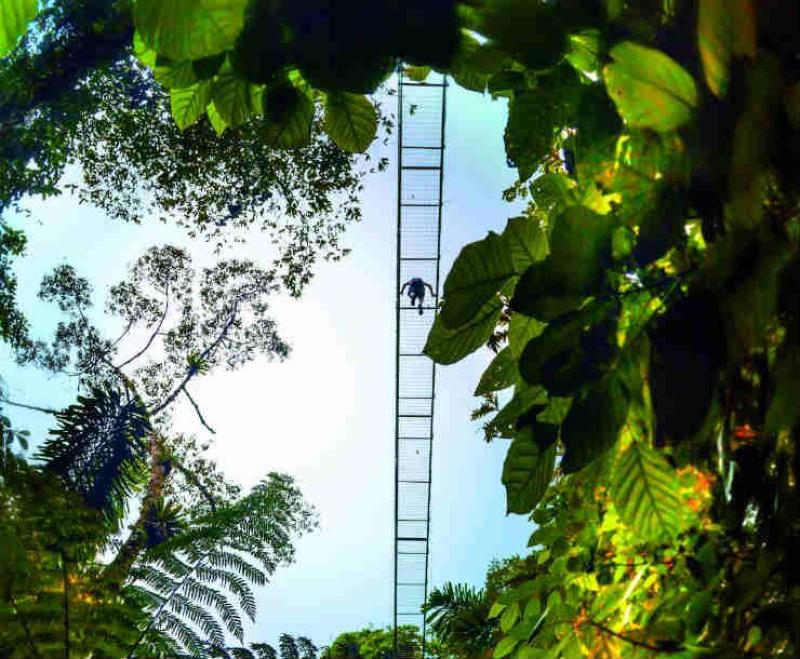
In the opening sequence of Hollywood blockbuster Wild, a frustrated and exhausted Cheryl Strayed, played by Reese Witherspoon, ends up losing her left walking boot down a mountainside. In anger and exasperation, she throws the other to follow it. Hiking the Pacific Crest Trail alone might be an extreme example, but many solo travellers will likely relate to similar frustration while on the road without support, whether lost in a souk and hassled by vendors, wearied by a multitude of tuk-tuk drivers or dealing with dubious information from supposed officials.
Whether your solo traveller clients are male or female, they will likely have to deal with issues such as single supplements and decisions such as whether to travel independently or on an escorted tour. But where experiences for solo travellers differ is when it comes to gender. Lone female travellers are forced to consider and confront far more safety and cultural issues than their male counterparts.
“Safety is a major concern for women travelling on their own,” says Sean Tipton, Abta’s media relations manager. But despite the additional worries that solo women travellers face, operators are reporting a surge in demand from the demographic. Almost 80% of Saga Holidays’ solo traveller clientele are now females, up from 75% just a few years ago. Such is the demand that the operator has added 45% extra rooms for singles on its 2016-17 departures. Back-Roads Touring’s customer base is also dominated by solo women, who make up 73%. And from 2010-15, escorted tours specialist Intrepid Travel saw a 79% rise in solo female travellers in their fifties.