I’m sitting in a dark, wooden-walled, fan-filled front room tucking into my first ever plate of sopecitos yucatecos. The dish is a corn cake topped with cochinita pibil – a traditional slow-roasted pork recipe from the Yucatan Peninsula – hollandaise eggs, plantains and bacon. I could be forgiven for thinking I’m eating brunch in the heart of Mexico, but in fact I’m in the neighbourhood of East Austin, Texas.
Licha’s Cantina, this bungalow-turned-restaurant, is named after owner Daniel’s mother, who raised him in Mexico City. I can tell it’s a friendly place when my city guide, Donnalou Stevens, greets Licha’s family with hugs, smiles and a distinctly southern “how’re y’all?”.
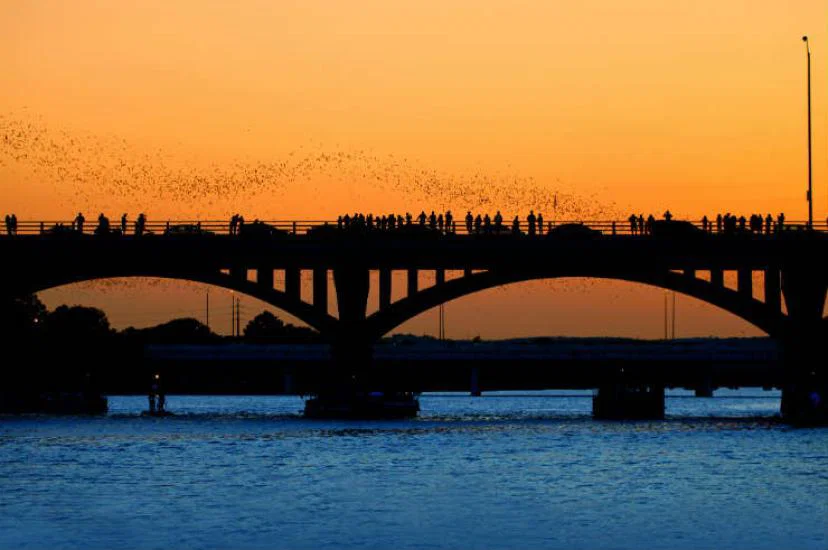
We arrive at the restaurant via a Pedego Electric Bikes tour, which I’m grateful for in the 43°C July heat. The built-in throttle means we can navigate the city (almost) without breaking a sweat, taking in Barton Springs natural swimming pool, the green grass of Zilker Park, statues and dogs at Auditorium Shores and zipping on and off the 10-mile Ann and Roy Butler Hike-and-Bike Trail that surrounds the city’s north-south divider, Lady Bird Lake.
This “lake” is misleadingly named. In fact, it is a section of the lesser-known Colorado river that flows from the north-west corner of Texas down to the Gulf of Mexico.
At the Bullock State History Museum, I learn that the city’s Mexican ties are far from surprising, given the state’s history. Until 1836, Texas was under Mexican rule – they called it Tejas – but the Battle of San Jacinto the same year saw Santa Anna, the president of Mexico, defeated by Sam Houston and his Texan army in just 18 minutes.
As a result, Austin brandishes a deliciously diverse Tex-Mex identity that flows through the city’s cuisine and culture. And with Norwegian’s newly launched Gatwick-Austin route operating three times a week on a fleet of new Boeing 787 Dreamliners, it’s now easier to get a taste of the southern US city than ever.