If you enjoy TTG’s technology news, then sign up to receive our upcoming travel tech-focused newsletter here!
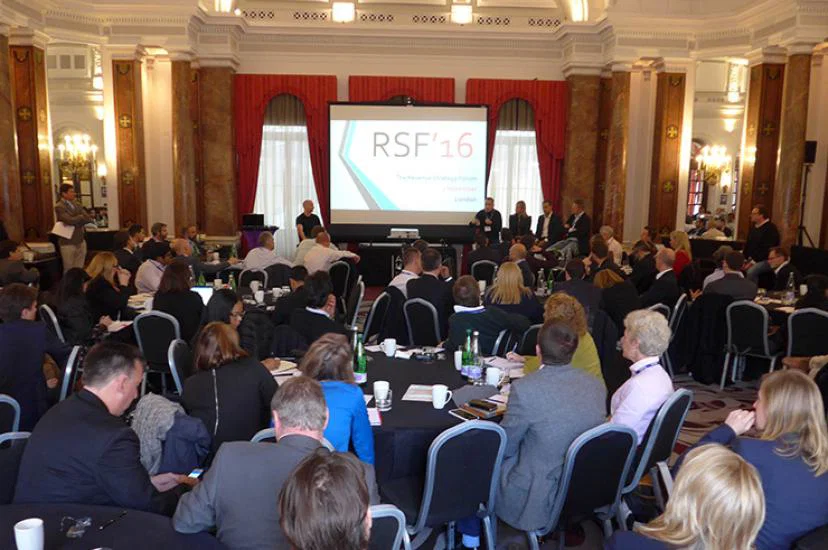
Patrick Bosworth, chief executive of Duetto, began the forum, which attracted a range of speakers, from Google representatives to big chain hoteliers, independent properties and technology providers, by declaring revenue strategy was more relevant today than ever before. I couldn’t agree more.
The constant changes and challenges faced by the hospitality industry and the wider global economy mean that revenue management must now transition into revenue strategy. Hoteliers need to get more strategic in their approach to markets. They need to segment, create better guest value and increase their online real estate. It’s also never been so important when you consider the fact that Expedia spent $3.3 billion on marketing last year, and the Priceline Group $3.45 billion.
Professor Peter O’Connor of the Essec Business School played devil’s advocate with his keynote address, “The Distribution Cost Conundrum: Are OTAs actually good value for money?”, promoting a lot of debate from the floor. He delved deep into what makes the OTAs so powerful and what hotels can learn from them. His argument? Hoteliers need to stop blaming the OTAs, Airbnb and other new challengers to the market, and start mirroring their efforts.
Improving rankings
O’Connor’s presentation explained how hotels should change their approach to e-commerce, and improve the way they sell online. But how? With less than 30% of consumers searching for hotels by brand online, hoteliers need to get savvy on how to attract customers to their sites, and once there, convert them.
O’Connor tackled content marketing, search engine optimisation and paid search — all ways for hotels to improve rankings and increase their online real estate. He also talked about the value of on-page merchandising. A fabulous image of your hotel bed on your landing page is not going to convert people. Telling your potential guest that other people are looking at the same room, or some have already booked in the last 24 hours, or there are only so many rooms left, will give you a far better chance of closing the deal.
Add in the fact that you are offering them the very best rate or package, and they should be clicking to reserve. All of these tactics sound familiar, and that is because they are – OTAs are already using them.
O’Connor, speaking at the forum during WTM London, also explained how hoteliers should also have a “symbiotic relationship” with OTAs – as part of channel diversification. We live in a digital age where competition is high. The panel discussion on digital marketing initiatives, led by Bosworth, explored how hoteliers have a strategic advantage in that they meet the guest in person. They need to do more to win the guest over long-term once they have come through the door. As OTAs have guest details, build user profiles and market aggressively, so must hotels.
Remy Merckx, vice-president of marketing, Carlson Rezidor Hotel Group, meanwhile argued for a change in mentality. The guest is in front of us, not in front of Booking.com, he argued – ask them for their email, ask them what they are most enjoying about their stay, ask them about their future travel plans. Take advantage of the personal relationship that only you have with the guest. Data analytics can help hoteliers be more precise in targeting their marketing message and their price. And with further challenges ahead, hoteliers need to be as precise as possible. Only then can they expect the ultimate ROI from their revenue strategy.
Michael McCartan is managing director, Europe, Middle East and Africa, at Duetto