A new buzzword can be heard at WTM London this year and it is one to take notice of, especially in Europe – “overtourism”. Europe might receive about half of all international tourists – 615 million overnights in 2016, according to UNWTO – but some cities in particular are feeling the strain.
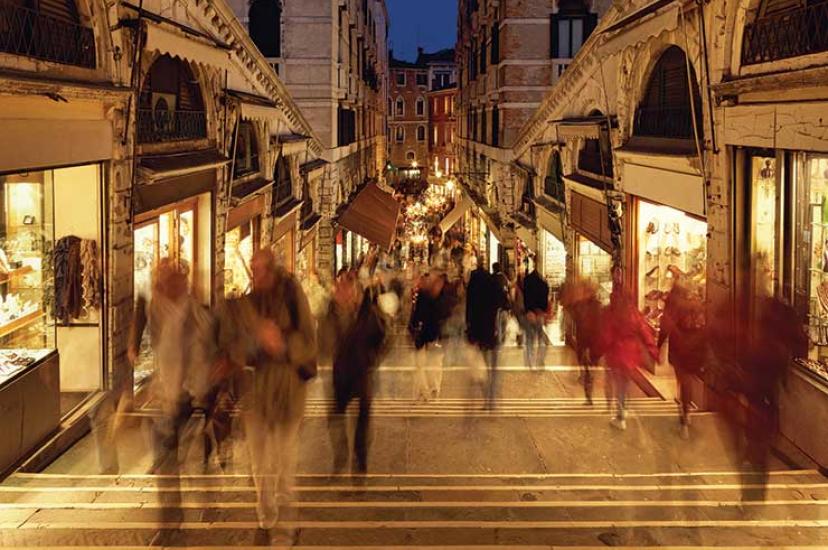
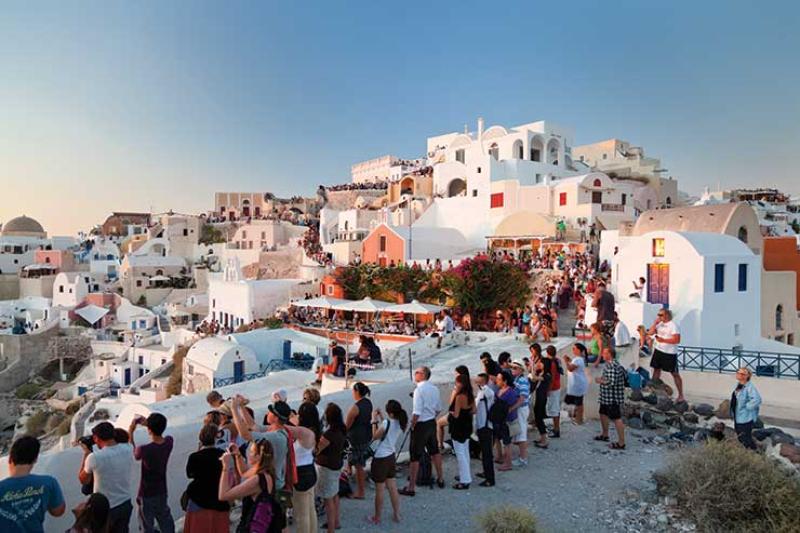
Protests against tourism have erupted in Barcelona (EU1800) and other Spanish cities, while Venice, Dubrovnik (EU1350) and the Greek island of Santorini are three more tourist centres being overwhelmed by visitors. Two conference sessions are running at WTM London to explore the problem, with UNWTO warning of “tourism-phobia”.
Ministers of leading countries came together yesterday to debate this issue, while the European Tour Operators Association (Etoa) spoke at another session on Monday. It says overtourism has become “a major issue in the mainstream media, on the streets in Europe and around the world”.
Etoa head of strategy and policy Tim Fairhurst spoke on this subject. “The violent actions of a minority are not representative and should not prevent normal life continuing for residents and visitors, and those that provide services to them,” he said.
“But what is ‘normal’ for Europe’s premier city tourism destinations? Recent restrictions on new hotel capacity and efforts to control the growth of the peer-to-peer accommodation market in Barcelona were a response to tourism’s impact on the city. Long-term success will require a more holistic approach.”
Airbnb and other peer-to-peer accommodation portals are accused of pricing out local people as landlords switch from long-term rentals to tourism, while another problem facing parts of Europe is the number of visits by cruise ships. Venice was the first to raise this issue, while Santorini has now set a limit of 8,000 cruise ship passengers per day after numbers swelled to 18,000 on peak dates.