The WTM Global Trends Report 2015, published by market research firm Euromonitor International, revealed several trends that travel professionals should be aware of in 2016 and beyond.
Key among these was the growth of smart cities using smart technology and the Internet of Things (IoT) to enhance the visitor experience. In the UK, this is encouraging visitors to head beyond London, with cities using a range of tools from smartphone applications and online games to big data to overhaul the urban experience.
Caroline Bremner, head of tourism and travel at Euromonitor International, said: “For tourists, the IoT could bring real-time information on traffic and public transport, platforms togather and distribute information about cities, as well as efficient allocation of resources.”
Both technology and travel companies are fast realising the opportunities available in the space.
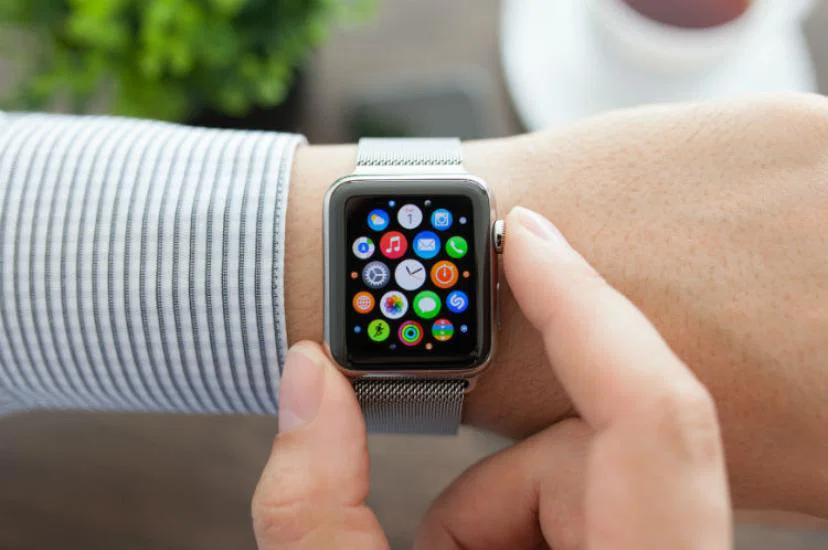
For example, the TripAdvisor Apple Watch app is able to send a push notification at lunchtime with information about the highest-rated restaurant nearby, while Google
Now is aiming to proactively bring consumers information before they ask, based on their past behaviour, with geo-localisation keeping suggestions locally relevant. WTM senior exhibition director Simon Press said: “The opportunities that smart technology offers travel companies are endless and we have only scratched the surface. It won’t be long before personalised suggestions – created from cross-checking consumers’ preferences and current location with online inventories of local travel services and activities – will become the norm.”
African tech hubs
It’s not just the West that is embracing the power of technology to grow and enhance tourism. Technology start-ups are flourishing across Africa. According to the World Bank, more than half of the countries in the continent now have at least one tech hub with investments via the tech-hub model doubling last year, reaching $27 million.
Two examples of these are Hope City in Ghana and the Konza Technology City in Kenya. To be successful, these hubs must have investment in infrastructure, including transportation, and education will be required.
All of the new technology cities have plans for hotel developments, which hold the potential for both local and international properties.
The increase of business visitors to the continent, due to the hi-tech hubs, is likely to have a knock-on effect and encourage more leisure tourists as facilities are upgraded and improved.
China challenge
Looking to the Far East, the report says the “future is bright” for China’s sharing economy, despite a shaky start. It says
the trend “struggled to take off in China, with ownership of goods a key goal for many Chinese consumers, as well as a lack of trust in the concept of sharing with strangers”.
However, 2014 saw a rise in the number of Chinese firms that styled themselves after Western counterparts such as Airbnb and Uber.
Bremner looks to where the trend could head next. She said: “Hong Kong has seen more unusual sharing options, such as rent-a-suitcase and high-tech camera hire, which could transfer to mainland China. Other Asian countries are also dipping into the sharing economy with operations such as Tripod (carpooling) and Local Alike (experiences).”
Human touch
Despite the heavy influence of technology on future trends in tourism, there are a number that are turning to human contribution. Bucking trends altogether is the demand for “Hipster Holidays”, opening up tourism opportunities in areas of European cities that were once undesirable but are now considered trendy. Many cities are encouraging the boom, as it diversifies urban attractions and helps to avoid the growing problem of overcrowded city centres. Sites such as Airbnb and its peers have played a central role in opening up hipster areas to tourists. With a lack of hotels in these neighbourhoods, private rentals are often the only option.
Looking to the luxury market, a number of hotels are turning to crowdsourcing and crowdfunding to get their properties financed, rather than banks and traditional investment routes. Contributors receive benefits for their investment, such as free stays once the hotel is open. Bremner highlights the attraction of such properties: “With personalisation a growing aspect of many travel companies, the concept of a hotel ‘created by you, designed by you, funded by you’ is likely to appeal to many consumers.
Yet she sounds a warning too: “Crowdsourced hotels will need to be careful to maintain a unique element to their offer, otherwise consumers will no longer choose to be involved in either ideas or funding.”