The unmistakeable scent of durian hits me first. A stall owner is hacking through the thick, spiky shell of the fruit with a machete, handing out plates piled with its soft pungent flesh to locals who perch nearby.
Further on, mouthfuls of colourful dim sum are stacked in Chinese steamer baskets and sold at six for 5 ringgit (93p). There are soft bao buns filled with sweet lotus paste and, of course, noodles. Every kind of noodle you can imagine. Yellow egg noodles in Singaporean stir fries, delicate rice vermicelli and coffee-coloured flat noodles with a rich smokiness that I slurp from a plate of char kway teow.
Vibrant, friendly and brimming with an intoxicating blend of Malay, Chinese and Indian cuisine, the famous Gurney Drive hawker market I’m strolling round – couched beside the gleaming Gurney Plaza shopping mall – sums up the island of Penang in a nutshell.
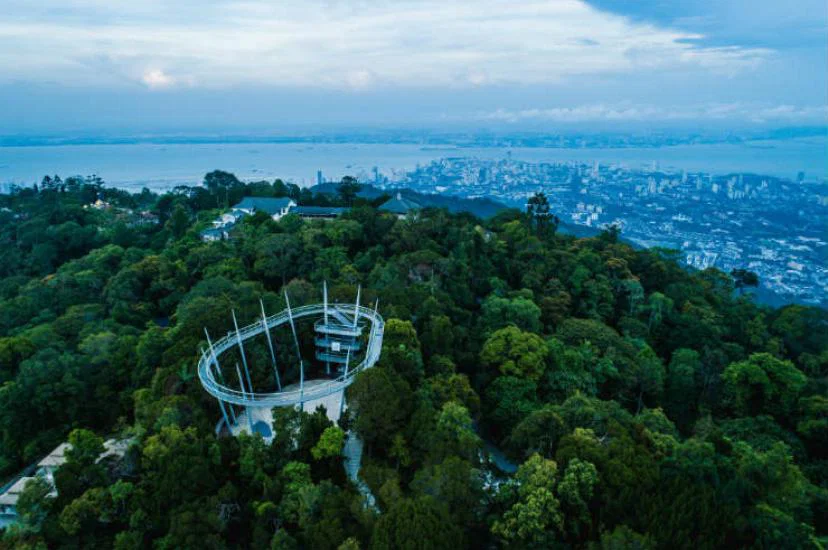
Sitting just off the west coast of Malaysia, and connected to the mainland via a bridge that stretches 8.4 miles, Penang is a tropical island with depth. It’s perfect for clients looking to mix a few lazy days by the beach with art, culture and some of the best food in south-east Asia, ideally sandwiched between a visit to the capital, Kuala Lumpur, and a trip inland to the Cameron Highlands, or up north to Langkawi’s beaches.
And there are few better times to visit than now, as the tourist board is pushing the destination ahead of a landmark Visit Malaysia campaign set for 2020, with the country aiming to bring in 30 million international tourists next year.
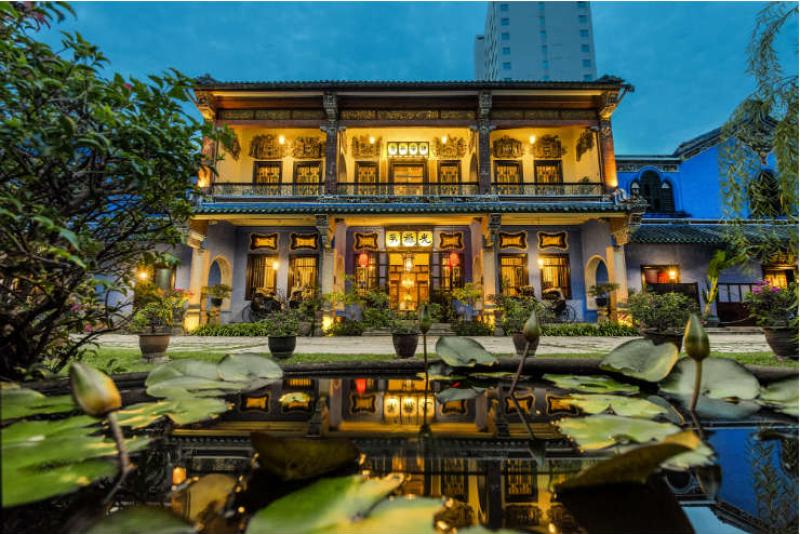
“Our history as a trading port makes us a melting pot,” Yeoh Soon Hin, the island’s state executive councillor for tourism tells me, inspiring a packed calendar of festivals from Malays, Chinese, Indians, Sikhs, Eurasians and more. “Locals are proud of their culture and tourists return charmed.”