With a record-breaking start to the year for many travel businesses, you could be forgiven for letting your fitness slide. When work is full on, it can be harder to squeeze in the time for yourself. But experts acknowledge that physical fitness is a crucial aid to help you combat stress at work, concentrate better and achieve a work-life balance.
Rory Coleman is a lifestyle and performance coach working with A-Rosa on its ‘Run the River’ Danube cruise this October. He says physical health is so important, particularly for an office-based industry such as travel.
“Exercise is known to improve mood, reduce weight and the risk of disease plus strengthen bones,” he explains.
“However, you don’t need to start running marathons – encouraging staff to make some simple changes, such as a lunchtime walk towards their 10,000 steps a day, reducing alcohol and saturated fat intake plus making regular time to talk about how they are doing can provide all you need to help improve both their physical and mental health.”
A lunchtime walk is an easy habit we should all adopt, but what if you want to go further in motivating staff and colleagues?
CREATING INCENTIVES
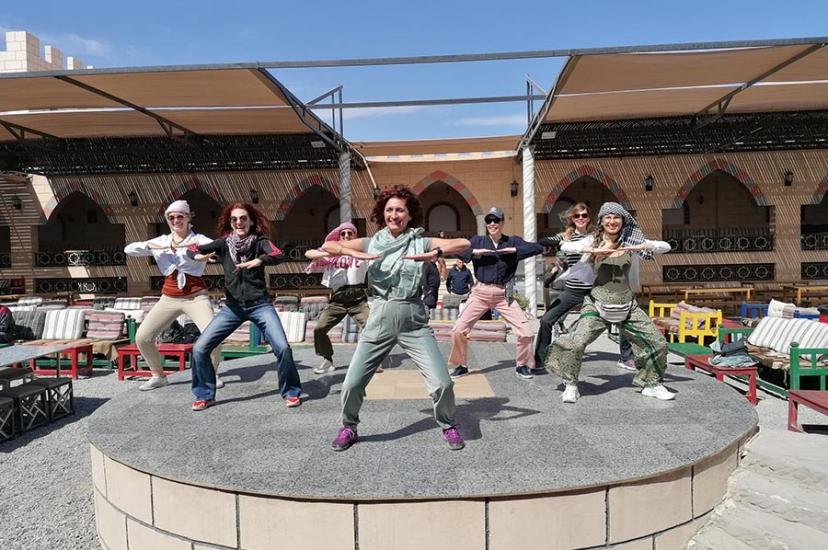
For the past five years, Unforgettable Travel Group has organised a healthy office challenge during January and February. Graham Carter, co-founder and commercial director, explains: “This year we had 40 members of staff sign up for the challenge. Staff were offered two days of additional annual leave as an incentive to take part and also gifted a smart watch by the company to keep track of their weekly fitness scores.”
Each week the participants recorded their steps; calories burned; number of 30-minute yoga / Pilates classes, 30-minute gym sessions, 60-minute gym sessions; average sleep per week; and whether they reached their target water intake of 1.5L per day.
Carter continues: “We have employees around the world (Italy, Greece and Brazil for example) and we mixed up the teams with staff from different departments and countries.
“We wanted to encourage collaboration between staff working in a very hybrid environment. Each team set up their own WhatsApp group to encourage each other and we had a weekly photo contest to encourage
participants to share photos and videos.”
While there has been a significant investment for smart watches and cash prizes, Graham says it paid multiple dividends. "With staff working from home, it can become easy to skip lunch breaks, work long hours and sacrifice healthy eating and sleep, especially during busier periods. The aim with the healthy office challenge is to ensure our staff are getting their steps in, eating healthier food and aiming to get 7-8 hours of sleep.”
He adds that an additional benefit is increased collaboration between staff, as evidenced by more than 2,000 messages shared over WhatsApp during the course of the challenge.
“For the eight weeks everyone in the company is talking about the fitness challenge,” he explains. “The boost in team collaboration and camaraderie is important for us.”
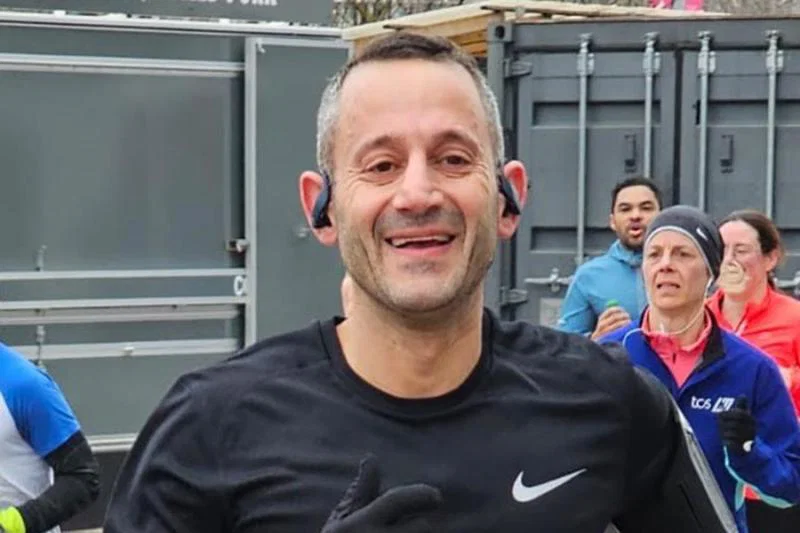
Partnerships manager Pietro Lazzaro, based in the London office, has taken part in the challenge for the past four years: “In the 2019 challenge, I lost an impressive 11kg, which was great, and I have consistently lost at least 3kg in all the other challenges.”
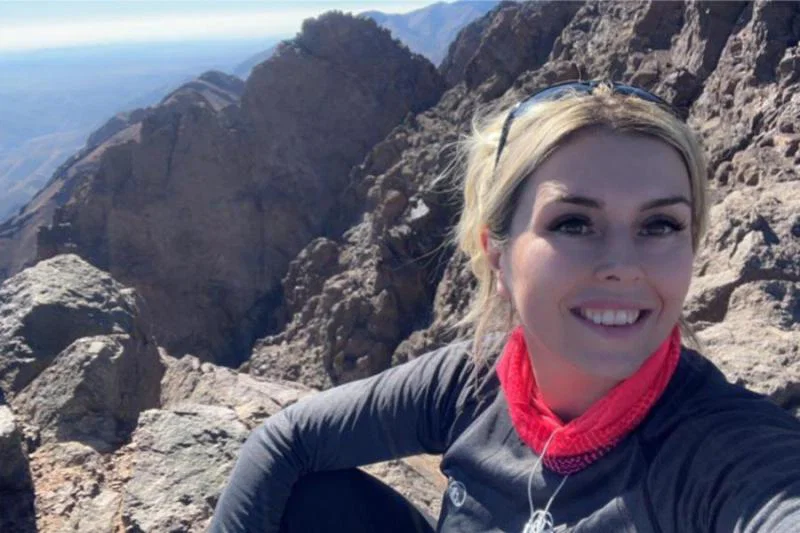
Product coordinator Kate McGarel took part for the first time this year. “I work remotely on the south coast, and it’s really motivated me to get out and get my steps in,” she says.
TOP-DOWN APPROACH
Barbara Kolosinska, managing director of C&M Recruitment, who is a qualified personal trainer, wholeheartedly agrees that physical and mental wellbeing are intrinsically linked and vital when it comes to having a healthy and productive team.
“It has to come from the top if you’re running a business. Put a fitness/wellbeing policy in place, whether that’s a healthcare provider like Vitality, gym membership, a team challenge like Tough Mudder or simply encouraging your staff to go for a walk at lunchtime,” she says.
Kolosinska adds that any investment (time and money) is worth it because of what you get back. “It’s all about increasing endorphins and decreasing stress levels. A fitter and happier employee will be more efficient and less prone to illness, which means fewer sick days and better productivity.”