The method, up until recently, was an increasingly popular choice for the travel industry, and involves the algorithmic purchase and sale of advertising space in real time.
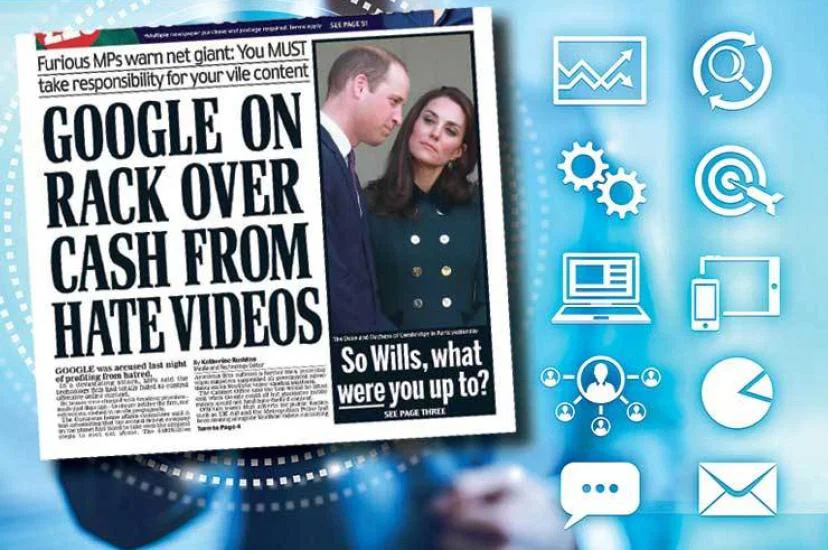
It is particularly attractive to travel companies as they can serve adverts with live pricing at targeted audiences. However, the technique has been a cause for concern these past weeks. It began with an investigation by The Times in February that discovered household brands – including a luxury Caribbean chain – were inadvertently being placed next to extremist videos on YouTube (owned by Google), and so could be said to be funding terrorism indirectly.
The problem was rectified, however the issue escalated last week when the government, BBC, Marks & Spencer and Guardian Media Group also declared they would be pulling their advertising across YouTube following appearances of their marketing next to extremist, hate-speech or pornographic YouTube videos. Google executives are being summoned to a Cabinet Office meeting, but as TTG went to press a date is yet to be set.
Safer places
Despite this controversy, the timing could not be better for Amadeus, which launched its Travel Audience advertising platform to the UK market at Travel Technology Europe (TTE) last month.
Far from product adverts being placed next to unknown or unmoderated content, the technology giant is promising “safe environments” for travel companies – with non-Amadeus companies encouraged to sign up.
"It’s already in Austria, Germany, Italy and France; we thought, why on earth didn’t we bring this to the UK"
Clare de Bono, head of product and innovation, Amadeus, says: “This is brand safe, your brand won’t get put next to a Jihadist video, it’s a completely safe environment.” It is new for the UK, but has been around for other European countries over the past few years. Its network spans 800 clients and 500 publishers.
“We’re part of Amadeus; we can inject naturally the Amadeus data into Travel Audience. [That’s] 70 billion searches per year, and Amadeus handles 3.8 billion data transactions a day,” adds Sandro Cuzzolin, head of strategic projects at Amadeus.
Meanwhile, de Bono says the UK is a perfect fit for the product as it is a “key, vibrant and exciting” market. “With Travel Audience, the success has been surprising. It’s already in Austria, Germany, Italy and France; we thought, why on earth didn’t we bring this to the UK? There’s massive demand for this – costs are escalating for advertising, it costs so much to get consumers to your website,” she adds.
"We have already concluded a successful campaign since the event last month which shows marketers are keen to avoid the recent problems that programmatic advertising has caused some travel brands"
Cuzzolin also says the tool is a fast learner. “The machine learning is very fast; for example it knows how to find the luxury traveller. UK customers are keen to experiment, and you can set it up in a day.” Currently, there are many tourist boards working with Amadeus on Travel Audience, but since the launch at TTE, new customers are in the “double digit figures”.
“We have already concluded a successful campaign since the event last month which shows marketers are keen to avoid the recent problems that programmatic advertising has caused some travel brands,” he says.
Going native
Targeting online travellers through programmatic advertising, bookable offers with real-time pricing based on the individual needs of a traveller is one aspect, but native advertising is another focus for the platform. Cuzzolin says the advantage of native is that it has the same look and feel as the organic content, such as news embedded in Facebook feeds, so it does not distract the user from a visual standpoint. “It has relevant content, so it actually helps the consumer to make a more informed decision and to broaden their choices with something relevant. And it’s ‘in-market’, so it is seen by the user in the right moment when the user is searching for similar content.”
In the future, Amadeus is looking to offer marketing across other platforms, working on new mobile and social, with significant results already realised. “We are able to target specific users and to combine our segmentation with the social platform data, which means advertising is more relevant and less of an intrusion.”
As brands seek less negative publicity intrusion themselves following the current high-profile media interest, Amadeus’s new platform could prove a safe harbour until the online storm subsides.