Mike Ferguson, Skyscanner’s senior business development manager partnerships, told delegates that people would be seeing a “much more mall-like experience from Skyscanner in the not-too-distant future”.
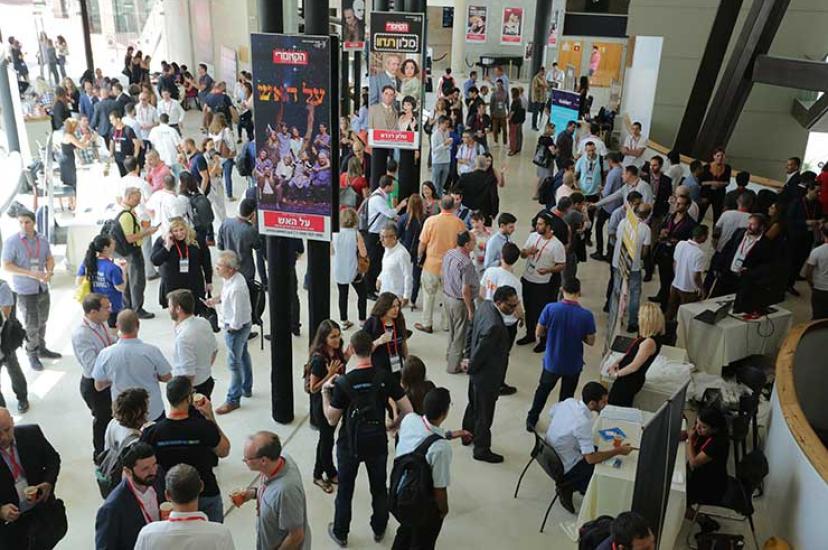
Speaking at Travel Tech Israel in Tel Aviv’s Cameri Theater last week, Ferguson described Tmall.com as an “inspiration” – Asia’s largest B2C retail platform, which hosts the storefront of businesses and allows them to sell direct to millions of consumers throughout China.
“It’s not going to happen overnight, but we want to create a shopping centre for travel products, that will help offset the cost per acquisition versus flights margin,” said Ferguson.
“I’m not pleading poverty, because while the margins on flights are extremely skinny we have scale which allows us to be commercially viable. Skyscanner is most famous for flights, but we do have other products. “We’re certainly not going to turn into a travel agency, but we are going to offer a more comprehensive suite of products.”
Although Skyscanner was sold to Chinese tourism group Ctrip in a $1.7 billion deal last November, Ferguson pressed that the company operates autonomously and is still geared to its founding principles of “fixing problems”.
“Now, it’s the proliferation of mobile devices, and our model is redirecting, so our ambition – rather perversely for an e-commerce business – is to get our traffic off Skyscanner as fast as possible to reduce friction for the customer.”