And while it may sound like a plea to media organisations accused of “fake news” – or newly elected presidents for that matter – the document does, in fact, relate to the “blogs, videos and other online publications that influence people’s buying decisions”. And the travel industry, in particular, is being urged to be aware of this set of guidelines.
Marketing is undergoing seismic change, with a new wave of digital “influencers” helping brands to promote their product. Take Jeremy Jauncey, for example. He can be found at instagram.com/jeremyjauncey and has nearly 500,000 followers, and there’s also a growing number of YouTubers racking up millions of views per post. So it’s no surprise that influencers and other online specialists have caught the attention of the CMA – a non-ministerial government department that was formed in late 2013 from the merger of the Competition Commission and Office of Fair Trading.
It is now looking at the consumer area, says CMA project director Jon Riley. “Several months ago we issued a call for information, concerning reviews, vlogs, blogs, recognising that people are influenced by opinion-based information when they make big purchases.”
He argues that with so many destination marketing organisations and other travel businesses now engaging in content marketing and working with bloggers on a paid basis, there is some cause for concern.
Thunderclaps are go
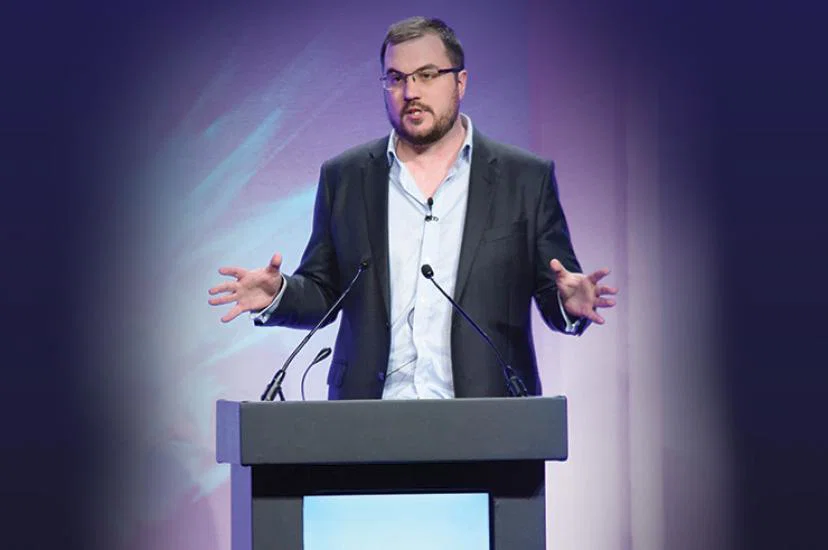
Riley, who talked at last year’s WTM London during a WTM & Travel Perspective panel debate entitled “Content in crisis: Independent blog or undisclosed advertising?” (see below), said one area that was being investigated was the “thunderclap” effect in social media.
The thunderclap technique involves pushing out the same message, simultaneously, across social media to create a surge of support for that particular message or campaign. Social Chain Ltd was one company subject to enforcement action by the CMA last year, using its consumer protection powers.
Riley says “thunderclap was their kind of thing”. “We took action at every level of the supply chain. All those firms removed content, and promised not to do that again. We do name names, and in the reputation game that’s not great.” Social Chain is a UK-based marketing company that arranges advertising for businesses through social media.
The CMA’s investigation found that Social Chain used its own social media accounts, and arranged for widely followed social media personalities, to promote films, games and takeaway and dating apps, without readers being informed that the content was paid-for advertising.
As a result, Social Chain agreed not to post or arrange undisclosed advertising. According to the CMA, it has also “engaged constructively with the CMA during this process to improve its practices”. It must be noted, though, that only a court can decide whether a particular social-media practice breaks the law, and the undertakings by Social Chain were not an admission of a breach of the law. The social media sites on which the endorsements appeared were also not subject to the CMA’s investigation.
“A lot of issues are clandestine,” Riley continues. “Our open letter was about recognition of the fact it was about time. For example, with a thunderclap, as a consumer looking at that, how could you possibly know?” Concerning operators working with influencers in the UK, Riley adds: “There’s nothing wrong with working with those sorts of people, but you have to be clear about labelling. Even if you’re paying, it has to be absolutely clear. “Bloggers, if you’re being paid, make it clear to your readers. But our focus isn’t on what type of platform. If you’re being paid for something, you’ve got to clearly promote it.”