






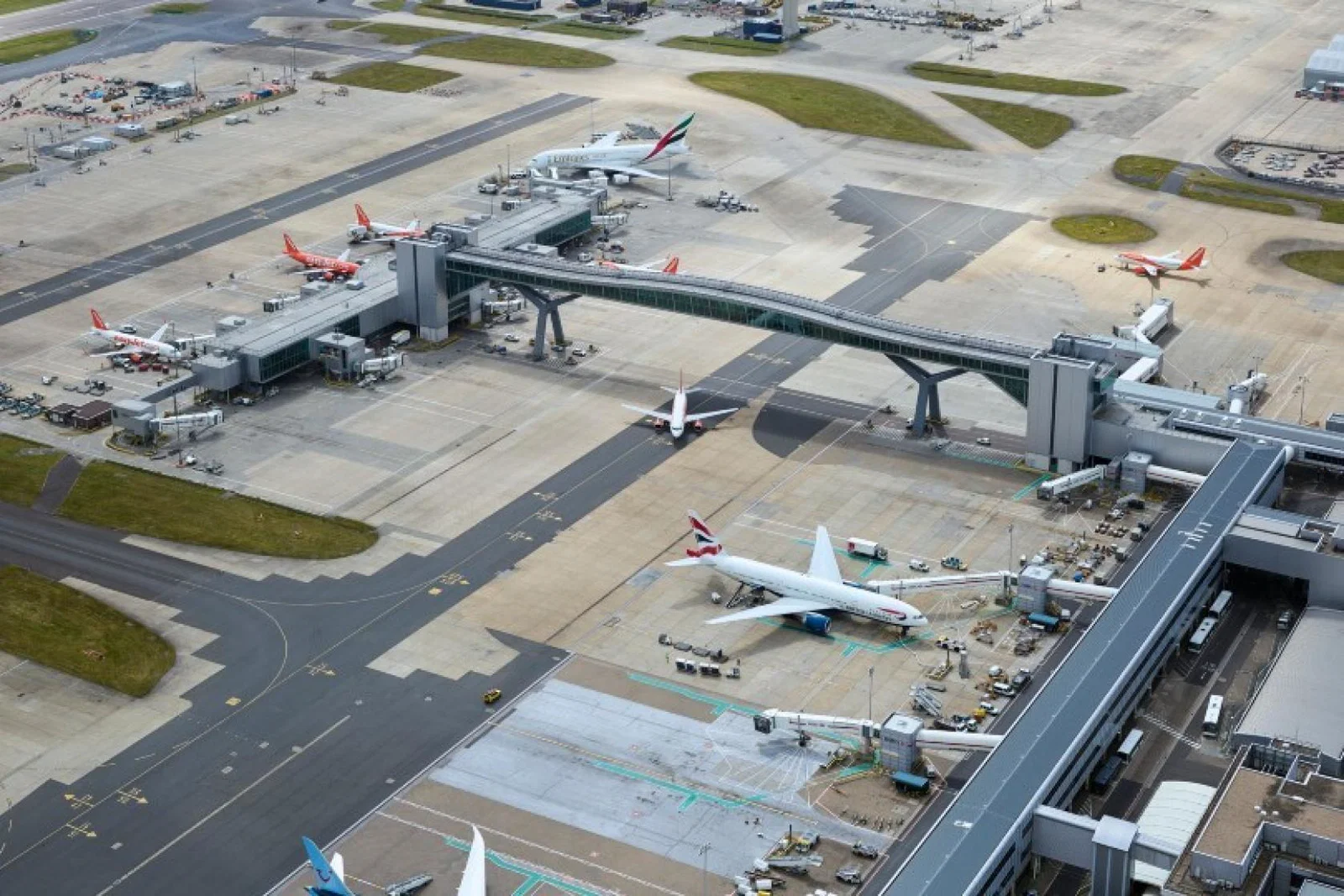
BA says it is closing its short-haul operation at the airport, leaving the prospect of its slots unused while – as Wingate told MPs last week – others are champing at the bit for them. Normally, there is a “use it or lose it” slot rule, but the government has suspended this, meaning BA can hang on to its valuable slot portfolio, perhaps for another 12 months, before it must do something with them.
In summer 2020, easyJet held 43-44% of Gatwick’s slots, the lion’s share. BA, including its long-haul operation, had 16-17%. Norwegian had around 8%, although this may now be substantially reduced after it quit long-haul flying. The next biggest holder was Tui Airways with 7%, while the remainder – around a quarter – was held by a variety of carriers.
BA’s vacant chunk is substantial, even with those taken up by its long-haul operation, which will continue. The vacant slots are left after short-haul pilots rejected BA’s offer to set up a new low-cost subsidiary in return for a pay cut. BA had planned to re-launch at Gatwick with an initial 17 short-haul Airbus A320s stationed there, flying around 50 flights a day.
Talks broke down, though, and now there is a gap to be filled, although consumers might not be as concerned about it as Gatwick. BA’s slot holding equates to around 85 daily pairs and it flew 47 short-haul routes from Gatwick. Only four of these, Manchester, Genoa, Cologne/Bonn and Algiers, are not served by another operator. Cirium Data shows Jersey as BA’s biggest short-haul destination, followed by Malaga and Faro.
Put bluntly, if BA short-haul remains absent from Gatwick, others will take up the slack very quickly, and perhaps only those living nearby who amass enough Avios points to pay for their European summer holiday will curse its downsizing.
There is a strong list of contenders to replace BA’s capacity, though. The obvious candidate is easyJet, which this week raised £1.2 billion, some of it earmarked for expansion. EasyJet boss Johan Lundgren said earlier this month there was a “once in a lifetime opportunity” to acquire slots in Europe as legacy airlines retract.
Wizz Air, which has a base at Gatwick, is another hungry competitor. It currently lists 11 destinations from the airport, but at the start of summer 2021, had slots for 29 routes – including Reykjavik and Tel Aviv – so it can arguably scale up without bidding for BA’s slots.
Within the IAG family, Aer Lingus has expansion ambitions – it has set up a UK subsidiary and begins non-stop Manchester-US flights in December. With Norwegian having axed all long-haul services, there is technically room for another long-haul carrier at Gatwick to spite the start-up Norse Atlantic Airways, which begins flying from there next spring.
Wildcard?
Perhaps Aer Lingus might also be tempted in with a new Gatwick short-haul venture, flying to Malaga and the like? I doubt it, given that a £100 million investment in 2009 to do just that ended in a swift retreat across the Irish Sea after a couple of years. The IAG stable also includes low-cost brands Level, Vueling and Iberia Express, but they have their own home markets in Spain and will probably stick to them.
The wildcard must be Jet2.com, which has already marched south from its Leeds base so far as Stansted, and opened its tenth base – Bristol – in July. It has £1.52 billion in cash so could afford the marketing needed to establish itself at Gatwick.
But how would BA feel about that? BA may see Jet2 as less of a competitor to the scheduled budget rivals that undermine its European city routes. Leasing those slots to Jet2 would also throw a spanner in the works for easyJet and Wizz. So maybe that’s an option.
Of course, all this could all be one big stand-off between BA and the unions and maybe, behind the scenes, talks are back on and BA will return. In another month or so, airlines usually announce their intentions for next summer. Meanwhile, there will be a lot of head scratching at BA over what to do with a valuable asset down in West Sussex.