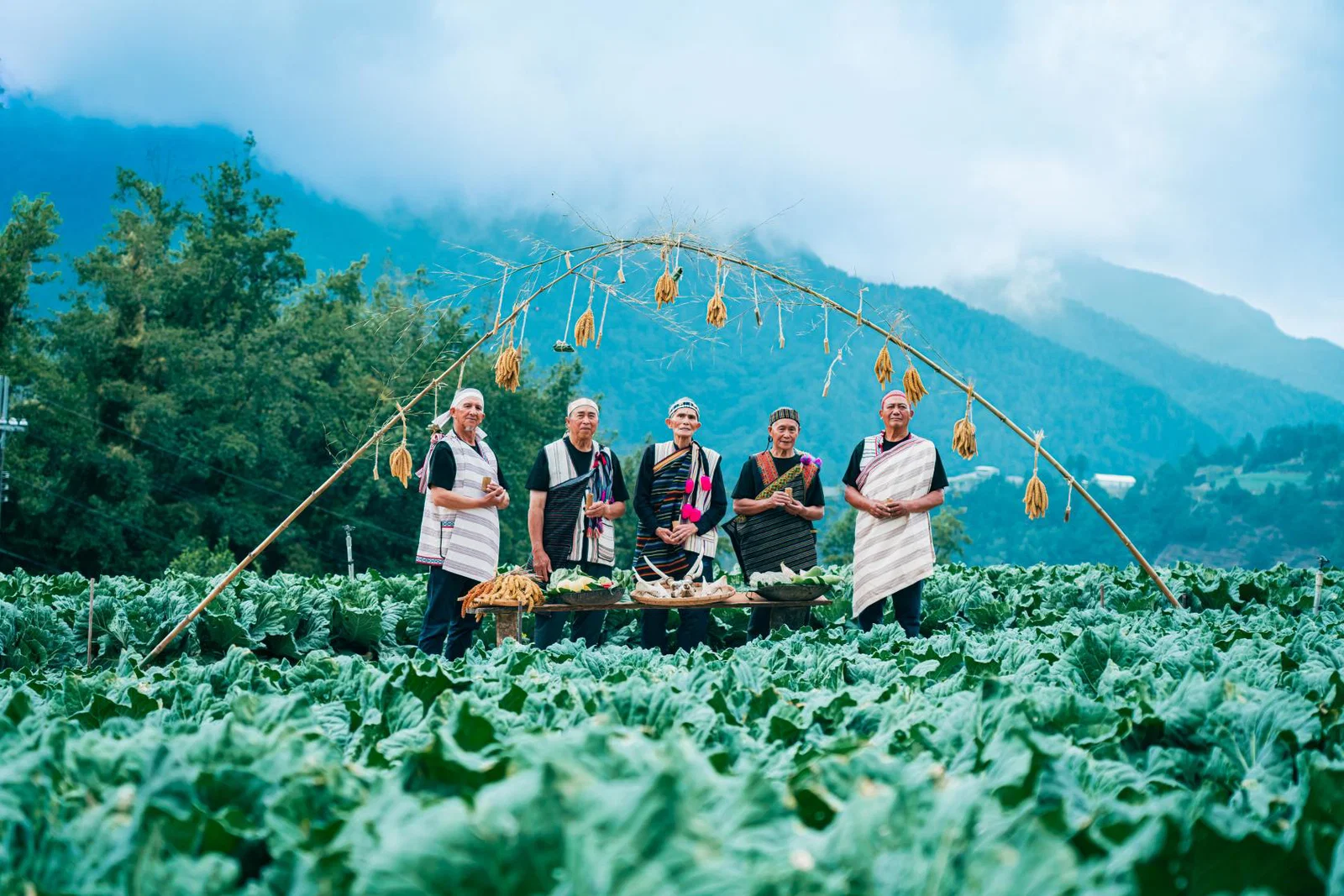
Taiwan is marking a decade since formally recognising its indigenous peoples with a nationwide programme of festivals, cultural experiences and community-led tourism, inviting travellers to explore a deeper side of the island beyond its urban centres.
Home to 16 officially recognised indigenous groups and one of the world’s richest concentrations of Austronesian culture, Taiwan offers visitors access to distinct languages, ceremonies, crafts and food traditions that reflect thousands of years of history.
Across summer and autumn 2026, a series of festivals will give international travellers rare insight into living indigenous culture. Highlights include the Pacific Austronesian Joint Harvest Festival in Hualien (16–19 July), bringing together music, dance, food and tribal tours from multiple communities, and the Dulan Harvest Festival in Taitung (15–19 July), one of the most significant events in the Amis calendar. Later in the year, the Taiwan PASIWALI Festival in Taitung will showcase indigenous musicians from Taiwan and abroad, while the East Longitudinal Valley Festival will celebrate regional traditions through food, craft workshops and community gatherings.
Beyond festivals, more than 30 tribal tours have been developed across remote coastal and mountain regions, led by indigenous hosts. These experiences focus on everyday life, from agriculture and cuisine to storytelling, with carefully managed visitor numbers to protect cultural integrity and natural environments.
Interest in indigenous foodways is also growing, particularly Taiwan’s millet wine traditions, which are experiencing a revival. In northeast Taiwan, the Atayal community of Bulau Bulau is producing small-batch wines using heritage methods, gaining recognition from leading sommeliers.
Together, these initiatives position Taiwan as a destination where culture is not only preserved but actively lived, offering travellers a more considered and immersive way to engage with the island.