








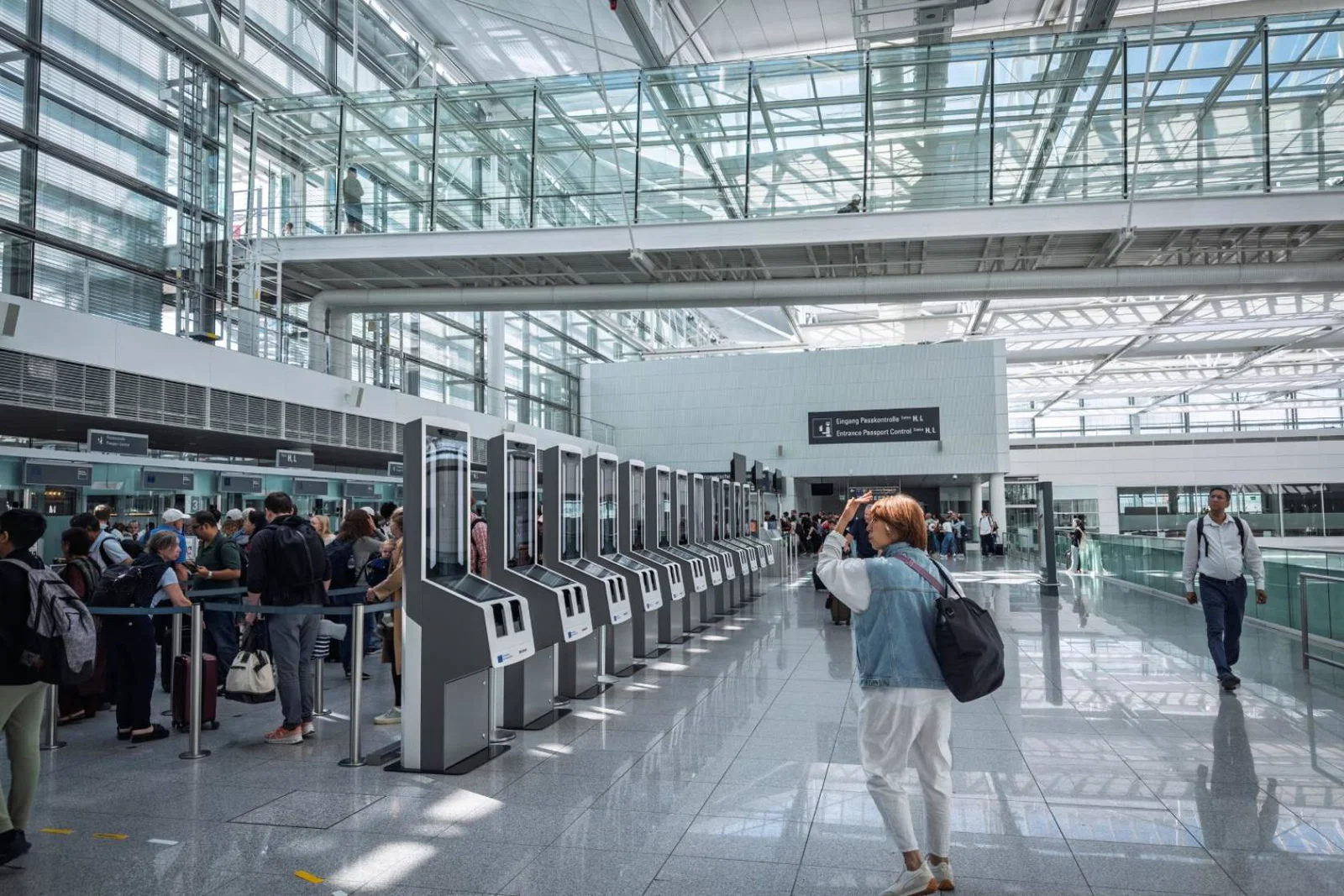
It comes after aviation leaders wrote to EU Commission President Ursula von der Leyen this week claiming EU Entry-Exit System (EES) wait times at some airports were tipping five hours at peak times despite member states “making extensive use” of temporary flexibility to suspend collection EES data collection.
Together, they said the sector had reached “a critical point” requiring “immediate intervention”. "The commission and member states must take stock of the reality of the current situation."
Ryanair is specifically calling on European governments to postpone EES until September, warning the system “is not ready for the end-of-school-term travel period”.
The airline claimed airports such as Tenerife South, Palma, Alicante, Malaga, Milan Bergamo, Krakow and Paris Beauvais were experiencing “major disruptions”, with further congestion expected.
Ryanair said it has reiterated its concerns to the governments of the most exposed countries, urging them to take action, but claimed there “had been zero response to fix this major challenge”.
Ryanair’s Chief Operations Officer Neal McMahon said: “It is as simple as postponing EES until September as other EU countries like Greece have already done.
"Ryanair calls on European governments once again to delay the implementation to protect passengers, families and airport operations during the school holiday rush, instead of forcing holidaymakers to endure needless passport control chaos.”
Industry's 'three asks'
Meanwhile, the WTTC is calling for three key actions to ensure a smooth rollout: accelerate the uptake of the Travel to Europe app for digital EES pre-registration; launch a coordinated communication campaign in key source markets so travellers clearly understand the new border requirements before departure; and guarantee full operational readiness at borders through adequate staffing, reliable equipment, and streamlined processes, including for those who have already submitted biometric and pre-registration data.
Gloria Guevara, President and Chief Executive of the WTTC, said: “EES represents an important step towards smarter, more secure borders for Europe. But implementation must be practical, coordinated and traveller focused. If lengthy delays become accepted practice, travellers will look elsewhere.
“Europe cannot afford to compromise its competitiveness or the experience it offers millions of visitors. We encourage policymakers to work closely with industry to ensure the system delivers on its promise of better borders without creating unintended barriers to travel.”
The Port of Dover has also spoken out on the EES rollout this week, with Chief Executive Doug Bannister telling BBC News there was still no “workable solution” for the border checks, despite extensive preparations, which included a new £40m facility. He warned the local impact “could be dire”, including disruptions to freight and lorries queuing on roads around the port.
Despite the warnings, new YouGov Surveys data exploring public awareness of EES found that nearly two-thirds (64%) of those Britons planning to visit Europe in the next 12 months said they would still travel as planned, although 41% intended to allow extra time for their journey.
Among recent travellers to Europe, 36% reported queuing to provide biometric information, while 37% said they experienced none of the listed delays.
Despite some disruption, more than half (53%) of recent travellers said EES had no impact on their overall trip, and 51% were “extremely unlikely to change their future travel plans”.