






A London-based advisor has revealed why she hired a scientist to help develop her business after noticing a growing dissatisfaction from high-net-worth travellers.
Christina Seredzinsky officially launched Séntire in February, operating her boutique travel consultancy under the Fora Travel brand.
Like many advisors, the Austrian native has long had a passion for curating tailor-made trips – having previously worked for Bacchus and Quintessentially.
It was her time at these luxury travel firms, however, that exposed her to a common frustration across the ultra-wealthy market.
“I saw more and more affluent people who had experienced everything – they’d stayed in the nicest hotels and done things that only certain budgets can buy,” Christina told TTG. “And yet, something was still missing.”
Curious to know more, Christina began investigating the reasons behind this discontent.
“I came to realise that their itineraries were often designed to impress the outside world – as opposed to focusing on the individual’s needs,” she said. “Everything was very top-line.”
Séntire was born to offer an alternative to these superficial trips, using clients’ emotional needs – rather than their destination preferences – as its North Star.
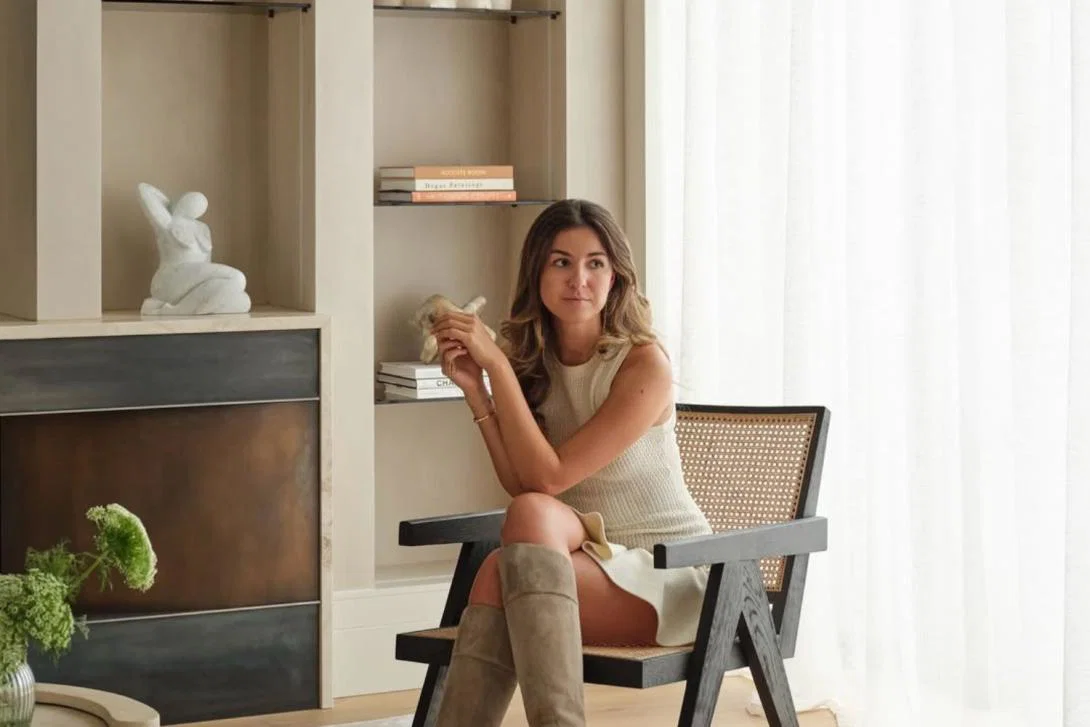
Séntire focuses on clients’ emotional needs, rather than their destination preferences
To achieve this, Christina worked with an Austrian-based behavioral scientist to develop The Séntire Method – a concept that focuses on feelings, senses and perceptions.
“Together, we identified the 20 core emotions most frequently associated with travel, and these form the vocabulary we use in dialogue with the clients,” Christina explained. “It gives the consultancy a scientific foundation that is rare in this space.”
Essentially, The Séntire Method “works backwards” from an emotional brief. Unlike the majority of travel agencies, which build itineraries around logistics, Séntire identifies how the client wants to feel before discussing destinations, dates and budgets.
Over the course of a 25-minute consultation, they will be asked multiple questions that appear unrelated – from their mood after their last trip to the textures they appreciate in a hotel suite.
Though not initially obvious, each question is strategically chosen to inform Christina how the client wants to feel on vacation.
Once she understands their emotional needs, Christina “translates” them into “destinations, rituals and rhythms.”
Clients receive a custom sensory mood board – complete with images, textures and tonal inspiration – as well as a bespoke proposal for their journey.
They will also be sent recommendations for restaurants and activities, most of which Christina has tried herself.
Once the client has communicated their preferences, Séntire gets to work designing their itinerary.
Christina’s small team of four puts together a digital presentation of the trip, as well as suggestions for add-ons such as wardrobe guidance, reservations and cultural insights. Full booking and logistics support, from flights to transfers, is also provided.
While Christina’s scientific approach may seem granular, it appears to be paying off. Séntire holds a 90% retention rate, with clients citing ‘attention to detail’ as a major factor in their decision to book again.
They also regularly credit Christina’s knowledge of the properties, restaurants and experiences, 80% of which she has personally vetted.
“It’s impossible to not have experienced a place, and then talk honestly about its emotional resonance,” she explained. “And for the other 20% of places I haven’t experienced, I rely on my trusted network at Fora for recommendations.”
Though Séntire responds to a wide range of emotional needs, it most commonly caters to “requests for solitude”.
“People are over-stimulated and have no time to calm down and recalibrate,” Christina said. “So many clients just want to re-centre themselves – to switch off and put their phones away.”
This desire to disconnect, however, doesn’t necessarily equate to a fly and flop holiday.
“There is definitely a move towards slower, more restorative travel, but that doesn’t mean laying on an island and reading a book all day,” Christina explained. “It’s more about feeling energised within the trip, and coming down from fully packed itineraries where you don’t have any room to breathe.”
As Séntire expands its US and UK presence, Christina is quickly learning to adapt her communication style for each demographic.
“The differences are already becoming quite clear,” she said. “UK and European clients tend to be more understated in what they ask for and often have a destination in mind already.”
This reluctance to make demands calls for Christina to listen even more carefully, and to deduce what they’re looking for based on certain words or phrases. “It’s almost like there’s a thicker shell to break through when it comes to the more personal questions.”
American clients, on the contrary, tend to be more direct and outcome oriented: “They usually want to know what the experience will deliver and they will tell you exactly what they want to feel.”
As for Christina’s vision, she hopes Séntire will make a profound impact by proving that intentional travel has the power to shape lifelong happiness.
“We call ourselves travel architects because great architecture doesn’t just look impressive the day it opens – it’s robust and lasting,” she explained.
“We’re doing the same with our trips. We’re not just decorating the client’s holiday – we’re designing an experience that changes how they feel long after they’ve come home.”
Find out more in the TTG Homeworking Hub, packed with advice for existing and would-be homeworkers, and a Matchmaker tool to help you find the right homeworking company for you.