



The goal of Cox & Kings’ rebrand is simple: to establish a distinct identity separate from Abercrombie & Kent.
The world’s oldest travel company unveiled its contemporary new look this month, following an initial teaser in April.
This relaunch marks the first major change to the brand’s public image in decades, timed perfectly with its entry into the Australian and US markets.
Visually, the makeover is subtle.
The logo’s block lettering has been replaced by a sleek serif font, while the iconic crown – a fixture of the Cox & Kings crest since the 1960s – has been retired. A bespoke horse has been introduced in its place, honoring the primary mode of transport in the 18th century.
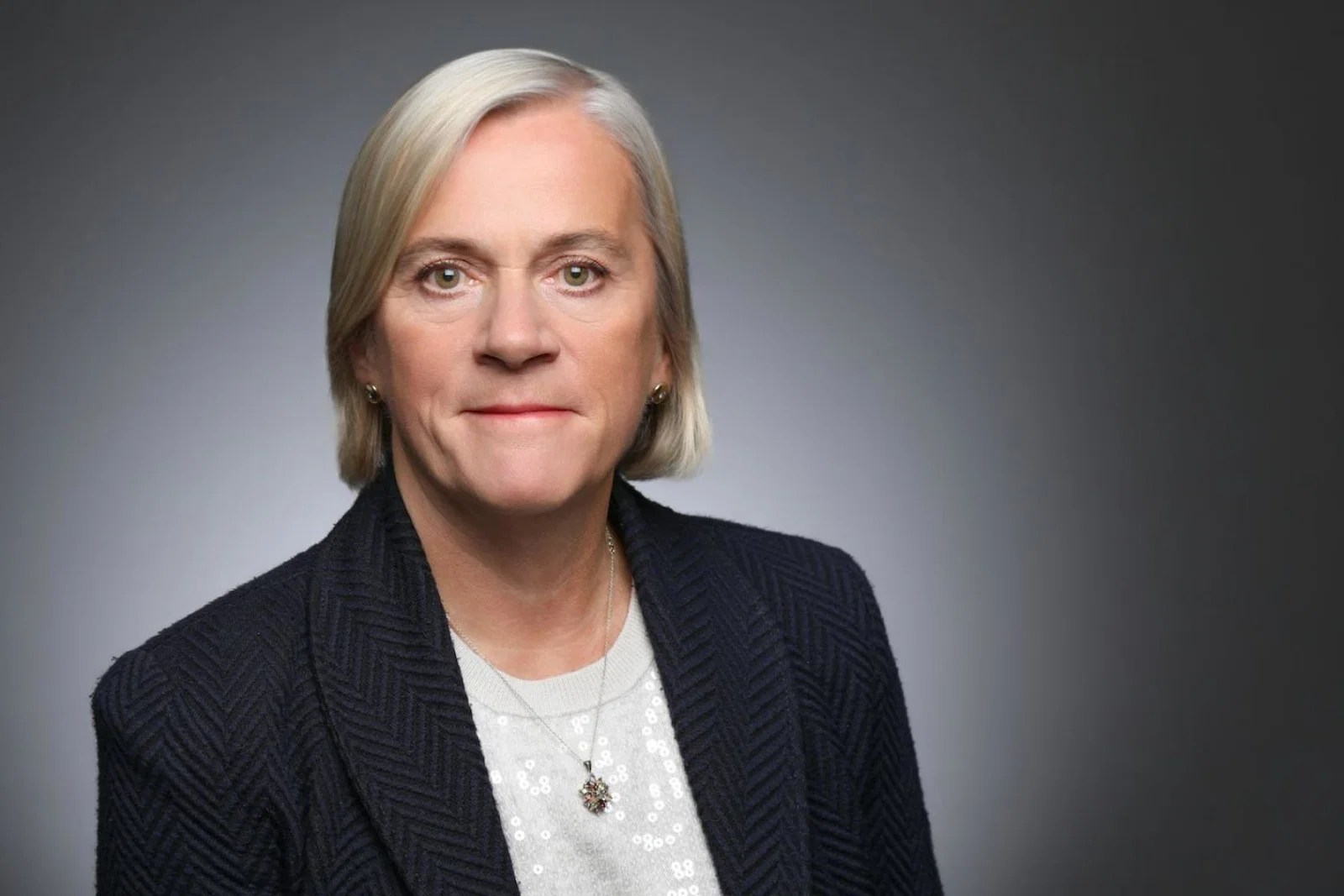
Speaking to TTG, Jennifer Charlton, MD Cox & Kings and SVP of Sales A&K for UK and EMEA Trade Sales, explained that the rebrand is intended to distinguish Cox & Kings from its larger sister company. Although the clientele of the two brands share several demographics, there is little overlap between the two groups.
“It’s true that Cox & Kings’ customer base can afford to travel with A&K – but their values are different,” Charlton explained. “An A&K customer wants extremely individualised experiences – think trekking through the forest to see gorillas with a solo ranger. They also often expect services like their luggage to be carried for them. But our customers don’t value that type of exclusivity or luxury.”
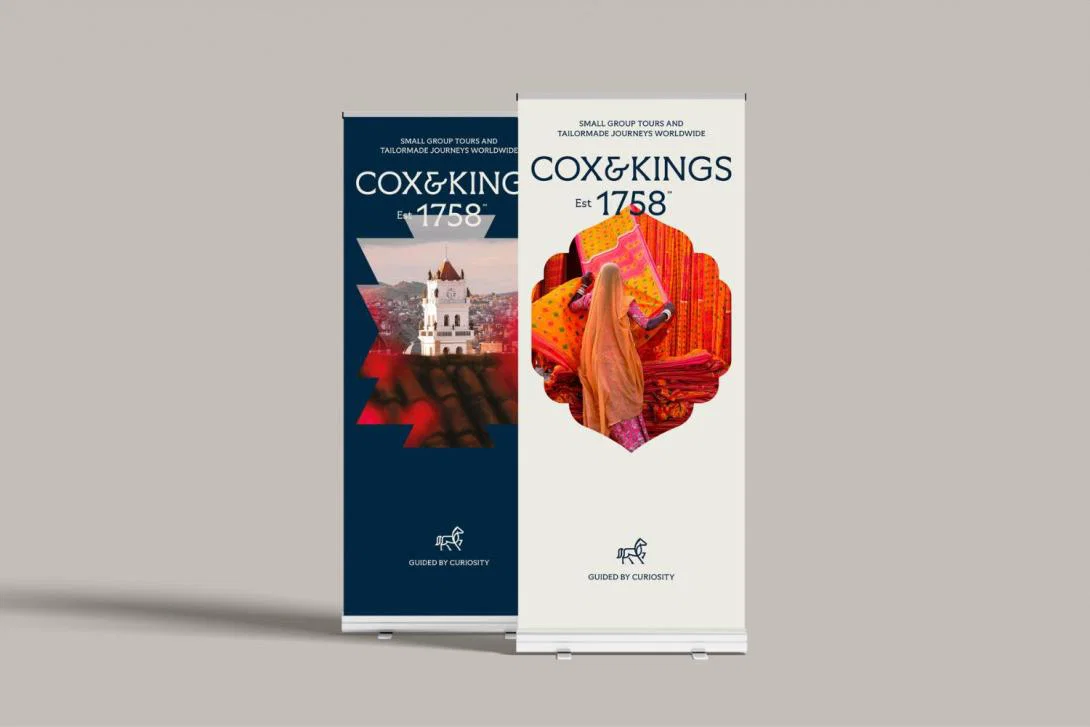
Cox & Kings has unveiled a modern look ahead of its US and Australia expansion
Rather, Cox & Kings’ clients are seeking “total immersion” – a trip that stimulates their curiosity, challenges their beliefs, and generates lively discussion.
“It’s not unusual for our customers to know more than the guide,” said Charlton. “They’re very well read and they enjoy debating with their travel companions.”
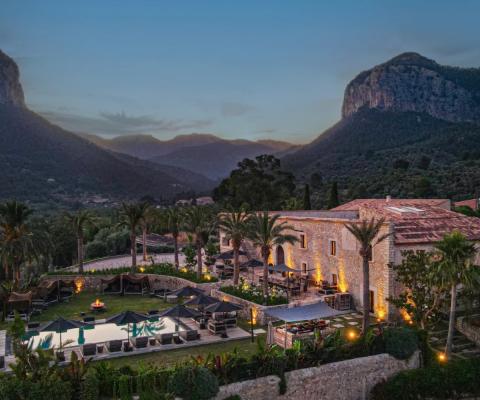
Their accommodation preferences also differ from their Abercrombie & Kent counterparts, with many Cox & Kings’ clients requesting heritage properties over mainstream luxury resorts.
“Hotels don’t need to have five stars with six spa rooms,” said Charlton. “A four star rating is fine, as long as it has character and history.”
She added that Cox & Kings’ customers often prefer central locations, which gives them the freedom to explore independently. This demand for ‘alone time’ on group tours is so high that it has come to shape many of their itineraries, with 70% now including a pre- or post-tour bespoke element.
As for plans to support travel advisors, Charlton said Cox & Kings is keen to expand its network of agent partners. Over the next few years, it aims to increase global trade sales from “slightly above 40%” to “between 60% and 65%”.
“It’s a pretty big number but it demonstrates that we value the partnership with them and we’re prepared to invest,” Charlton said.
Fam trips will be central to reaching this goal, with the operator hosting two or three educational experiences for UK agents every year. Competition for a place on these trips, however, will be unsurprisingly tough.
“These are obviously costly, so we measure the return quite closely,” Charlton said. “We’re quite hard on ourselves. However, we’ve gotten good at selecting strong partners and when you get the right ones, it’s so worth it.”