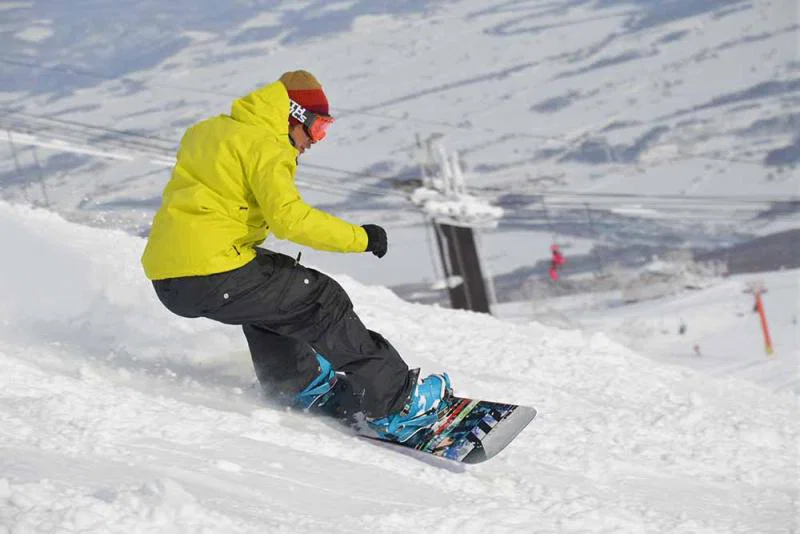
Snow time in Sapporo
Sapporo was the first Japanese destination to host the Winter Olympics in 1972; as this was the year I was born, I was also thinking maybe it was destiny that I would end up there perfecting my snowy technique.
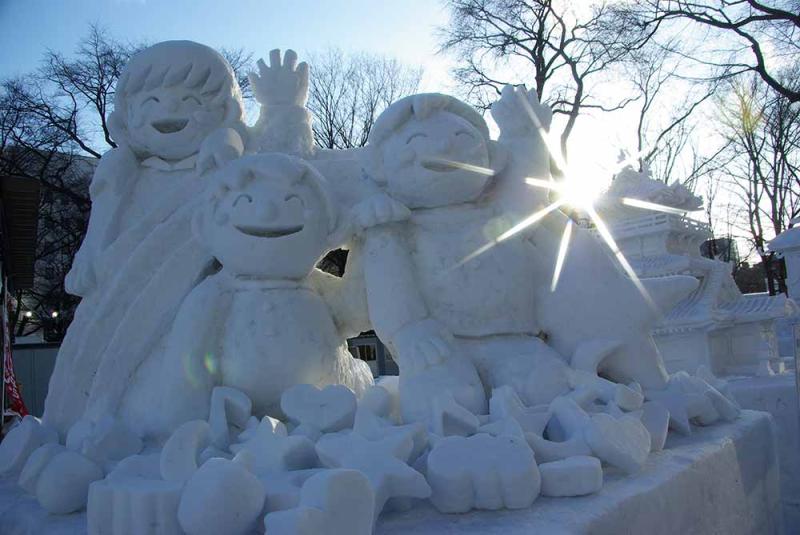
People visit Sapporo for plenty of other reasons - around two million of them come here for the week-long annual Snow Festival each February when expert ice carvers create enormous sculptures through the centre of the city.
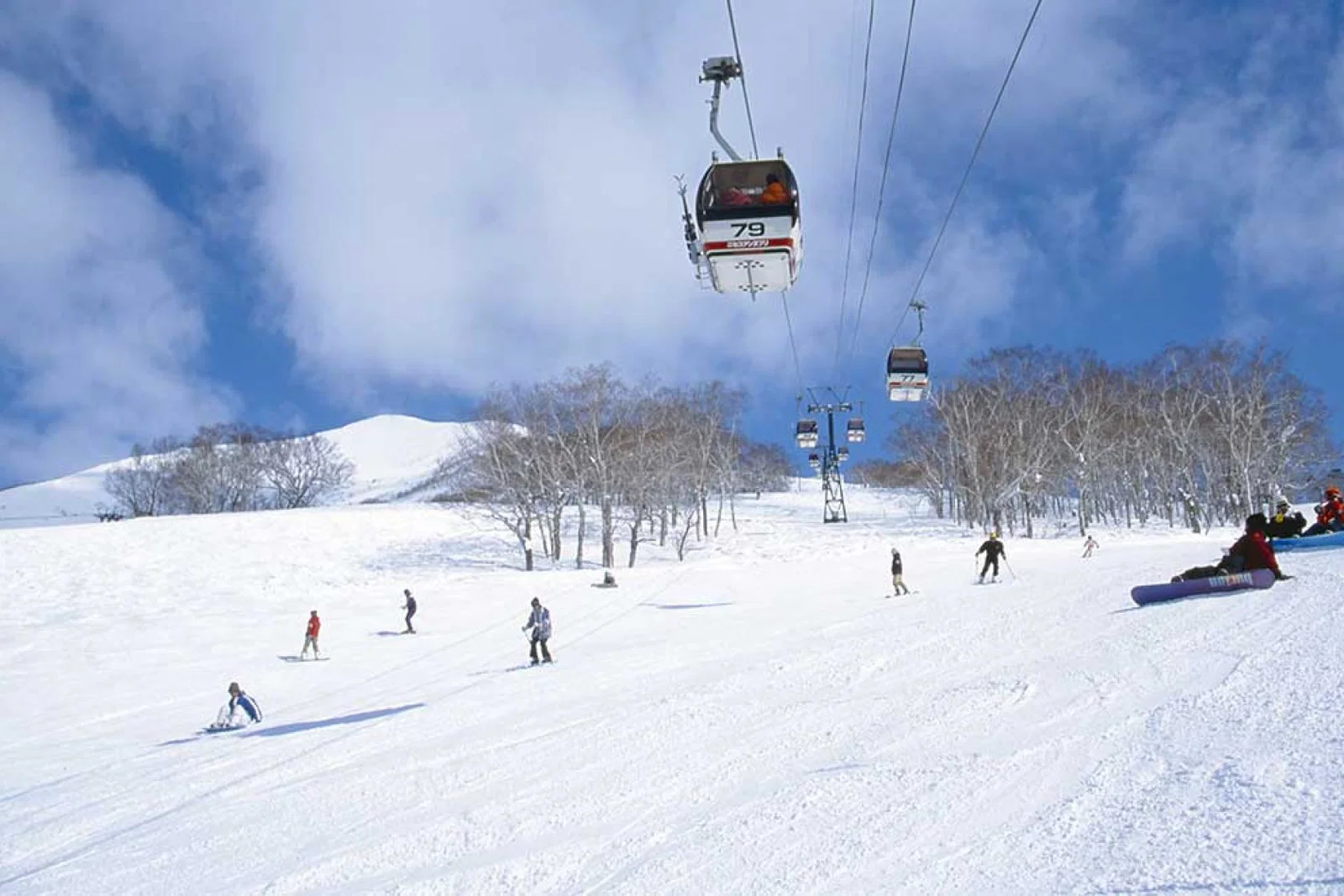
Australians are by far and away the biggest international market for Niseko, given its proximity to the country, but more British skiers are also discovering the destination with numbers to Niseko up by 70% last season, with the coming season probably looking as rosy.
More UK operators are starting to feature Japan's ski offering, such as Flexiski and Kuoni most recently, but among those already featuring the resorts of Niseko are Japan Ski Experience, Ski Safari, Samurai Snow, Crystal Ski, Ski World, Ski Independence and Inside Japan.
New ski company Different Snow says Japan is already “very much top of the list”. “We have done really well since launch for Japan this coming season,” said founder Nick Coates. “Indeed, I am planning to extend our product offering by including Zao Onsen and Appi Kogan for the following season.”
Aside from the snow, visitors to the area may also be here to visit the Nikka Whisky Distillery, founded by “the father of Japanese whisky”, Taketsuru Masataka, who studied in Scotland, brought a Scottish wife back with him, entered into folklore and more recently became the subject of a hit TV soap, Massan, which has seen sales of whisky rocket and visits to Nikka soar.
Sent from Siberia
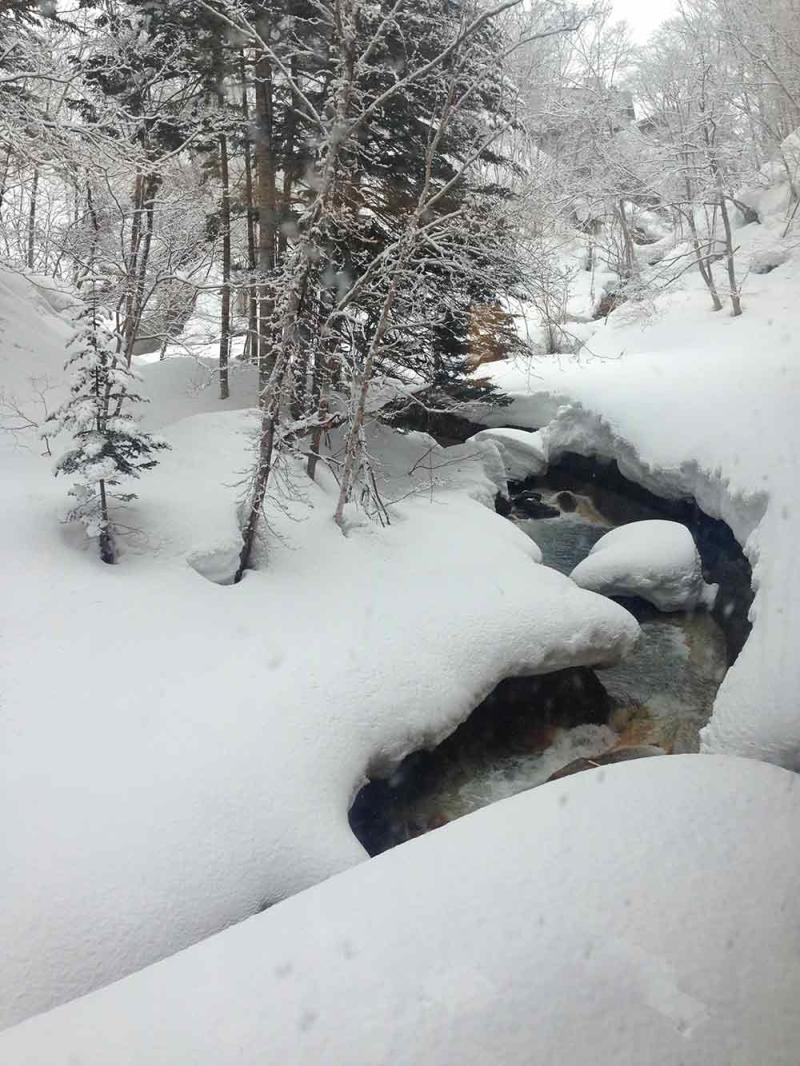
You may well need a dram of whisky - or sake - to prepare you for the cold here, as it’s the chilly winds from Siberia that are to thank for Hokkaido’s snow conditions, dumping endless high-quality powder on the island from November to April.
Peak season is of course December to February, but travelling immediately afterwards - as I did in early March - means prices plummet and crowds disappear, yet plenty of great snow is still around.
It also represents good value for money - essential things like lift passes (an eight-hour all-mountain Niseko United pass is about £30), lessons (around £50 for a half-day with Gondola Snowsports) and equipment hire (around £20 a day) are all reasonable and the Yen is weak against the pound, making money stretch a bit further on the ground.
And not only do you experience the exceptional snowfall, Niseko also provides an incredible immersion into the fascinating magic of onsen.
Getting steamed up
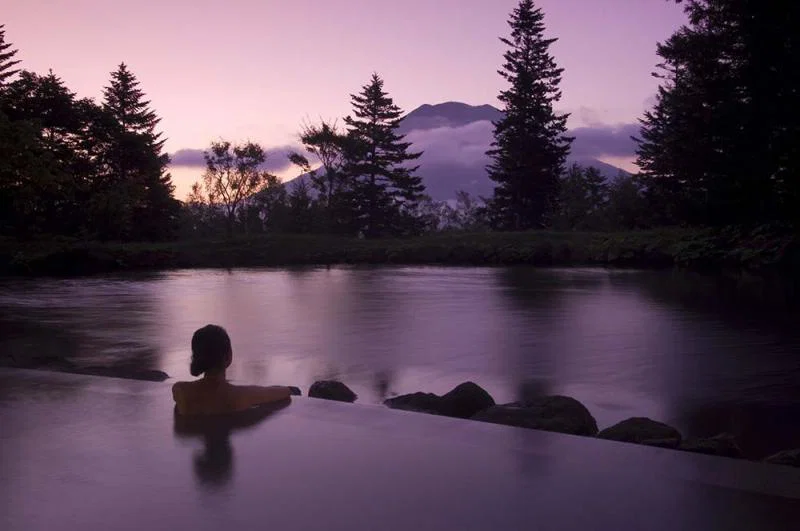
The hot springs so loved by the Japanese are found all over the country, but Niseko is particularly famous for the quality of its 40C+ spring water, which comes from deep within Mount Yotei, the 1,898-metre volcano east of the resort whose views dominate the area. Sitting on the window seat in my hotel room and watching the sun rise over it – jet lag is a wonderful thing – was another highlight of the trip for me.
Just a bit shorter than Yotei, Mount Niseko Annupuri peaks at 1,308 metres and its terrain makes it one of Asia’s largest ski fields, divided into four resort areas – Niseko Village; Niseko Hanazono Resort; Niseko Annupuri; and Niseko Mountain Resort Grand Hirafu.
It was the latter where I spent a few days, staying at Ki Niseko, a hotel that was enjoying its first season. Fresh, stylish and with a range of options from condo-style rooms to regular hotel rooms, the big win is its incredible location, smack next to the Hirafu Gondola Station giving the hotel excellent ski-in ski-out access.
There’s also onsen options at the hotel, a spa, private ski valet - where you can leave all your snowy wet equipment and pick up dry boots the next day - and shuttle for exploring all the bars and incredible restaurants of Hirafu village, such as the fantastic izakayas – a kind of a Japanese pub serving snacks and sharing plates.
Sushi on the slopes
But Ki Niseko has its own excellent option in the form of An Dining, which offers the cuisine of chef Shinichi Maeda, tempted back to his native Hokkaido after 11 years in Australia. For something more high-brow, the famed Restaurant Asperges is home of three-star Michelin chef Hiroshi Nakamichi and Kamimura, the iconic Michelin-starred French restaurant, has also developed an incredible reputation in Niseko.
Meanwhile buried deep in the woods of Annupuri is Rakuichi Soba, a 12-seat eatery by soba master Tatsuru Rai, which has a cult-like following and queues to match; the lunch menu features just his hand-cut hot and cold soba noodles, with a choice of either tempura vegetables or duck.
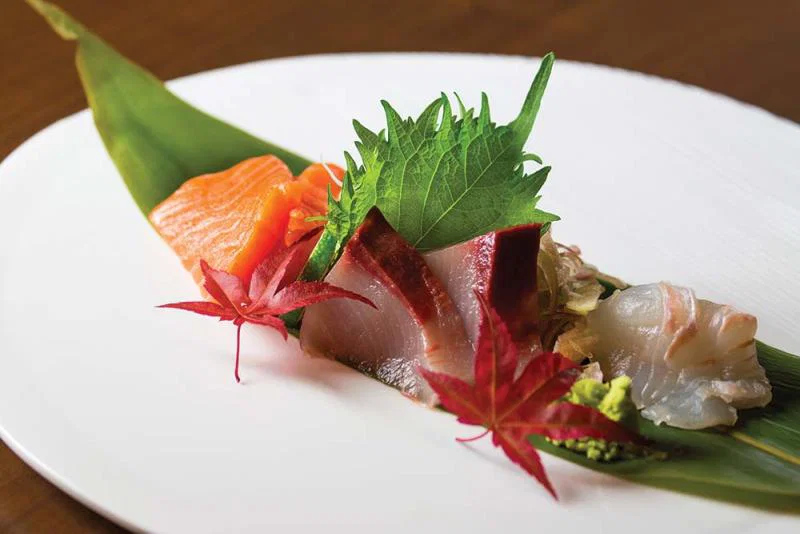
With more tables to choose from, a contrasting rural must is Prativo, known for its simple but delicious buffet lunch with views of Mount Yotei. It’s created by Milk Kobo – a farm company known for its delicious dairy products and creamy puff pastries; well, you can’t eat sushi all the time in Japan now can you?
From big to boutique
Ki Niseko may be the newest luxury arrival, but there are also several excellent quality hotels over in Niseko Village, itself a relatively new development. Many of the options there have been created by YTL perhaps better known previously for tropical hideaways such as Pangkor Laut in Malaysia.
One of the options at Niseko Village is the Green Leaf, a ski-in, ski-out hotel that comes with a well executed and super-stylish bar, Tomioka White, that boasts a great atmosphere, cocktail list and cosy fire. The 200 guestrooms at the Green Leaf were conceived by Champalimaud Design and have a distinct flair to them, but the main restaurant Goshiki has cavernous canteen-like proportions that would be hard for anyone to make stylish.
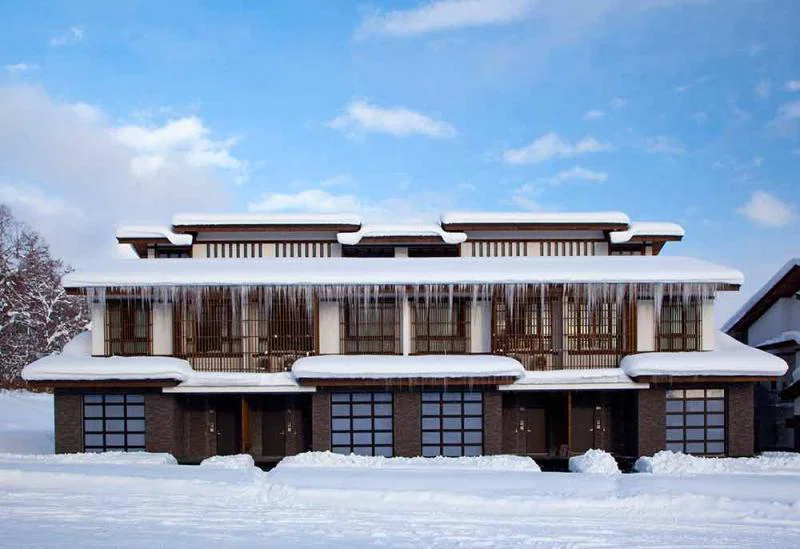
The latest addition there is the boutique option of Kasara Niseko Village Townhouse (pictured), where eight townhouses sleep up to six guests each in rooms that combine European ski chalet chic with Japanese minimalist design.
Niskeo Village also has its own snow school, extensive ski trails and lifts, kids area, several onsen and a shopping and dining area designed like a Japanese village of yore. The area is completed by the monolith Hilton Niseko, home to many restaurants and the Wakka Spa, where therapists give skillful massages to ease the weary bones of snow-beaten guests.
Retire to the ryokan
A drive through snowy atmospheric countryside took me to Moku-no-sho, a luxury ryokan opened in 2013.
With the snow softly falling, I arrived just as dark was creeping in and entered the serene lobby to have my shoes whisked away and my suite had a massage chair strategically placed at a window, through which I could watch an icy waterfall. I needed the time to psyche myself up for the eight-course traditional dinner which was about to be served exquisitely in one of the ryokan’s many private dining rooms. Guests sit Japanese-style watching the dishes unfold - from the small steamed Japanese egg pudding with root of lily at the start, to the black rice and miso soup at the end, it was all delicately delicious.
And it was also here at Moku-no-sho that I finally faced up to the onsen. There is absolutely nothing wrong with this whole onsen thing of course, but being a Brit, I was a bit wary of bathing naked with strangers. I needn’t have worried. Moku-no-Sho is located at Niseko Kombu Onsen and its setting means the outdoor bathing pools of the onsen are surrounded by snowy trees, which add a wonderfully atmospheric distraction. So just before breakfast I padded down there, showered and scrubbed as is required beforehand and then made my way in. It was hot, very hot, but strangely calming, and after all that snowboarding, what better way could there be to reflect on a successful first adventure in Japan.
How to book it
Inside Japan Tours offers a seven-night ski package from £2,156pp, including two nights in Tokyo, three nights at the Ki Niseko hotel, two nights at Moku-no-Sho, ski-pass and domestic flights (Cathay fares from the UK to Sapporo via Hong Kong start from £599pp). Tel: 0117 244 3263, insidejapantours.com