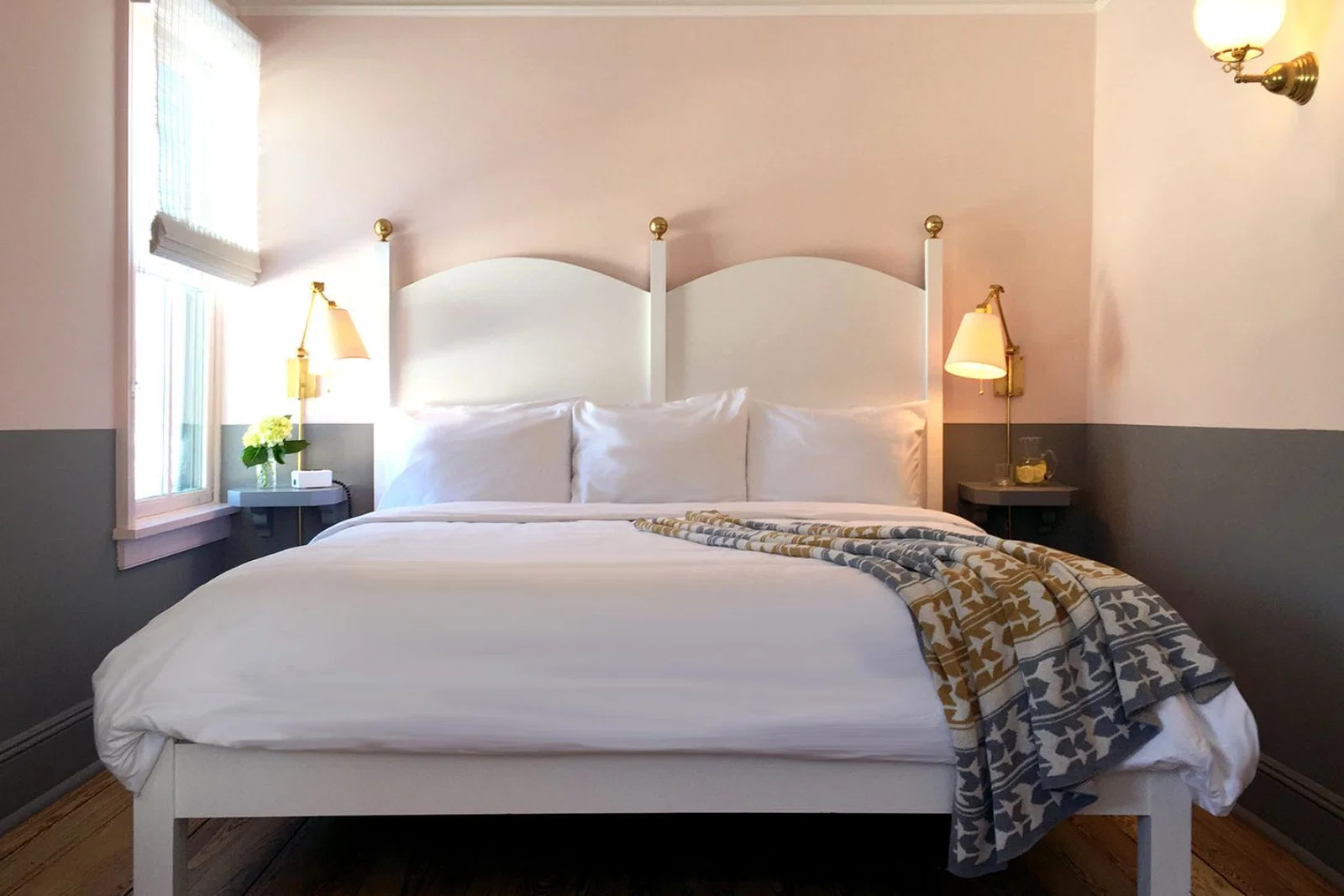
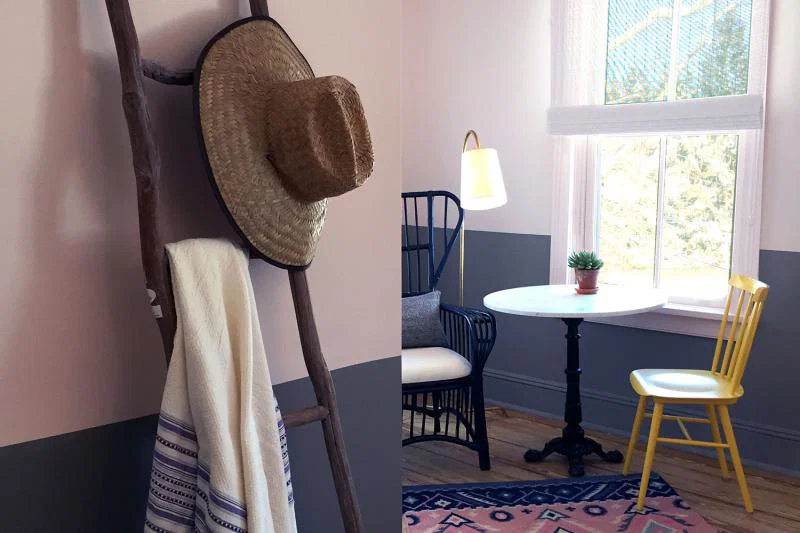
O’Shea added: “Design in B&Bs tended to be heavy and dark but we wanted to do something much lighter, stripped-back and very seasonal - a typical Cape Cod experience that gives a real sense of place, but no anchors or seashells!”
The idea now is to marry the aesthetic and professionalism of larger international high-end hotels with local influences, Bowd said. “In a place like Provincetown where there is so much history, it made complete sense and we were able to transform an old rundown inn from the 1960s.”
Latest addition Eben House opened in May with 14 rooms, also in Provincetown. Originally built in 1776 as the home of seafarer Captain Eben Snow, the inn has been completely renovated and is one of only three surviving brick “Federal” period residences in Provincetown.
The other opening in May has seen them expanding into New York State, with the takeover and refurbishment of an old inn, now reborn as The Chequit on Shelter Island - considered as the “un-Hamptons”.
“It’s for people who have ‘done’ the Hamptons and are looking for a relaxing but beautiful antidote to that,” said Bowd.
Located three hours from New York, Shelter Island sits between Long Island’s North and South Forks and Andre Balazs also has a hotel there, Sunset Beach.
“It’s a lovely community which our guests will feel a real part of as soon as they come off the ferry,” said O’Shea. “Many stars such as Marilyn Monroe and Frank Sinatra used to come up here from New York back in the day.”
The hotel is Salt’s biggest one yet, at 36 rooms, created out of three buildings - The Main House, The Cottage and The Summer House, a six-room cottage, available for sole use by a group or individual stays. The Chequit also has a full 150-cover restaurant called Maple, a cafe and Wampum, a beach-inspired retail outlet by the hip New
York brand, which has also designed the staff uniforms and exclusive items for the hotel.
“The Chequit still has the core B&B feeling, but this one has more hotel-type facilities,” said Bowd. “It is our biggest yet and shows how we can scale up the concept, but we would always stay under 50 rooms I think.”
Bowd and O’Shea said that their future hotels will also have larger rooms as they look to increase more of the international, longer-stay guests, currently only 30% of business.
Each B&B has a collection of unique antiques and found objects from the area, but mixed with all the “high quality you would expect in terms of bedding and facilities”.
“We went back to all those big companies we knew from kitting out hotels and asked them to work with us - often they might not supply smaller hotels they don’t know,” O’Shea said.
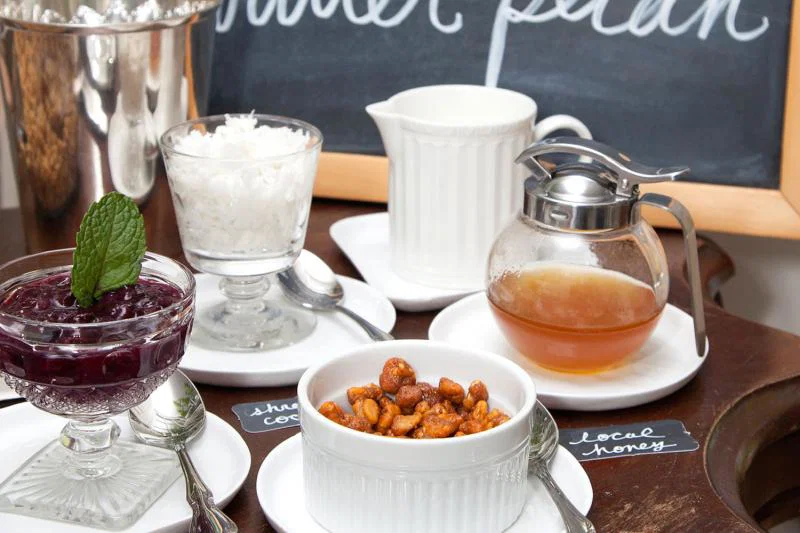
Breakfast is also a big focus - “often, even though they have the word breakfast in their title, it’s usually a very underwhelming affair at B&Bs, so we have made that a prime focus, with healthy, seasonal offerings and guests always tell us it’s totally unexpected,” added O’Shea.
Their idea of a breakfast in bed is to deliver fresh yoghurt, pastries and a flask of coffee outside guests’ door, with no additional room service charge. “We understand people don’t want to get dressed just to come down for breakfast so we offer both options,” said O’Shea.
There is no fixed check-in time and a relaxed feeling of “staying in a friend’s beach house” is key, they both say.
“Often another deterrent with staying in a B&B is feeling like you will wake up the landlady if you come in and make any noise; that’s not a problem for us,” said Bowd. “We make friends with guests but not in an obtrusive or forced ‘manager’s cocktails’ way. If we see them sitting in the public spaces, we offer them a Pimms or a glass of rose and just chat. Often it’s to recommend our favourite places that aren’t the usual tourist traps, for example. We like to try and help them curate their stay.”
Also in development is another hotel in the Hudson River Valley, two hours north of Manhattan.
“There has been a migration of New Yorkers moving out there, or owning second homes or businesses in the area and with the movement of the creative classes comes all the stores and restaurants,” Bowd said, “but we hadn’t seen any great hotels yet, so it’s a really under-developed opportunity; it’s beautiful countryside, especially for leaf-peeping in the autumn.”
Salt Hotels also hopes to expand in Palm Springs and LA in 2016 and then into New Jersey in 2017, as part of the redevelopment of Asbury Park, an hour south of New York.
“It’s one of the last blighted areas around New York really to have life breathed into it, so we will see some big changes there in the next few years,” said Bowd.
The New Jersey project will also mark the first time Salt will build its own hotel from the ground up.
Bowd said he would also be keen to open a B&B in London: “There is definitely potential for something like that in London - a little hideaway with the personal touch outside of all the big hotels here. And yes, who knows - out in the countryside too. The British market is so big for east-coast US, so once they know the brand, I think it would translate well back home among them too.”