

Travel does much right; it is an industry with a social conscience, it connects people, broadens minds and is rightly celebrated for being a purveyor of dreams – a commodity that has been in short supply over the past 12 months.
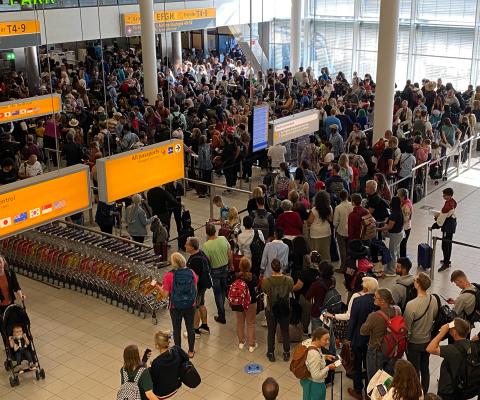
But travel cannot yet claim to be wholly virtuous; aircraft and cruise ships contribute to polluting our atmosphere and our oceans. And while supply continues to grow to meet demand, there will continue to be overtourism of certain regions, cities and major natural attractions.
Building back better evokes efforts to cut carbon emissions, promote fairness and social equality, and pursue diversity and inclusion. But Explore co-founder Derek Moore suggests reframing the debate to focus instead on talking and, crucially, giving back.
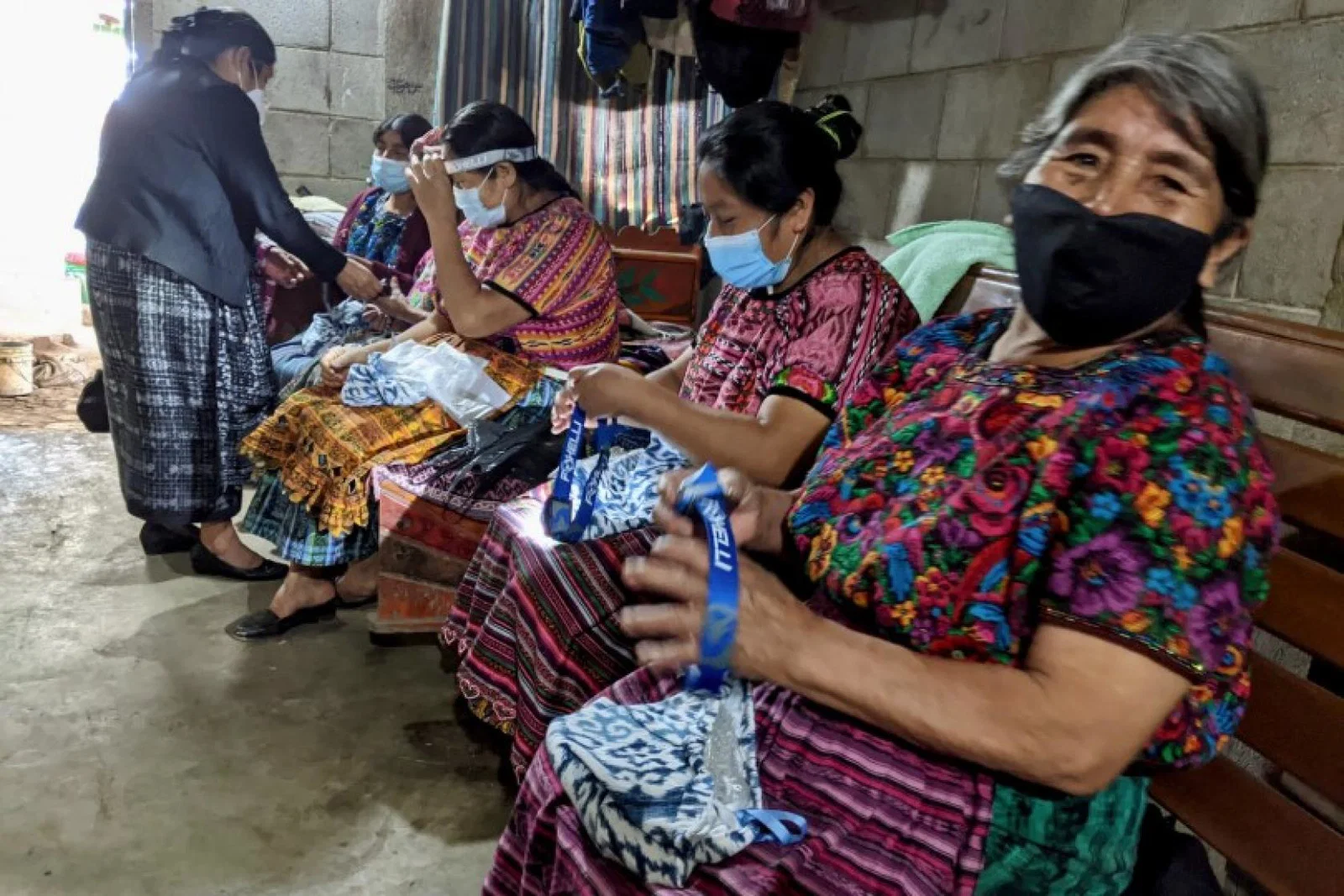
In 2019, Moore set up The Derek Moore Foundation, working with operators and travel professionals to identify and fund “quirky” projects in small communities. Projects are capped at £5,000 – think a water pipeline for a Nepalese mountain village (pictured below), birth kit equipment for midwives in a remote Guatemalan community (pictured above), or a recording studio for street kids.
For Moore, travel and tourism is too often about one-way transactions. “Lots of people who have been trekking in Nepal, white-water rafting in Peru, or spent time as a tourist in a developing country come home affected by the state of the villages they visited and the villagers they met,” he explains.
“But what they participate in is a one-way transaction. They go, take photos, drink the limited supply of water and eat at the village restaurant which, while making a bit of money, uses up a lot of the available food. I felt that if we position ourselves as a means to give something back when people go abroad, it might tap into that feeling people have that they must be more responsible in their tourism.”