






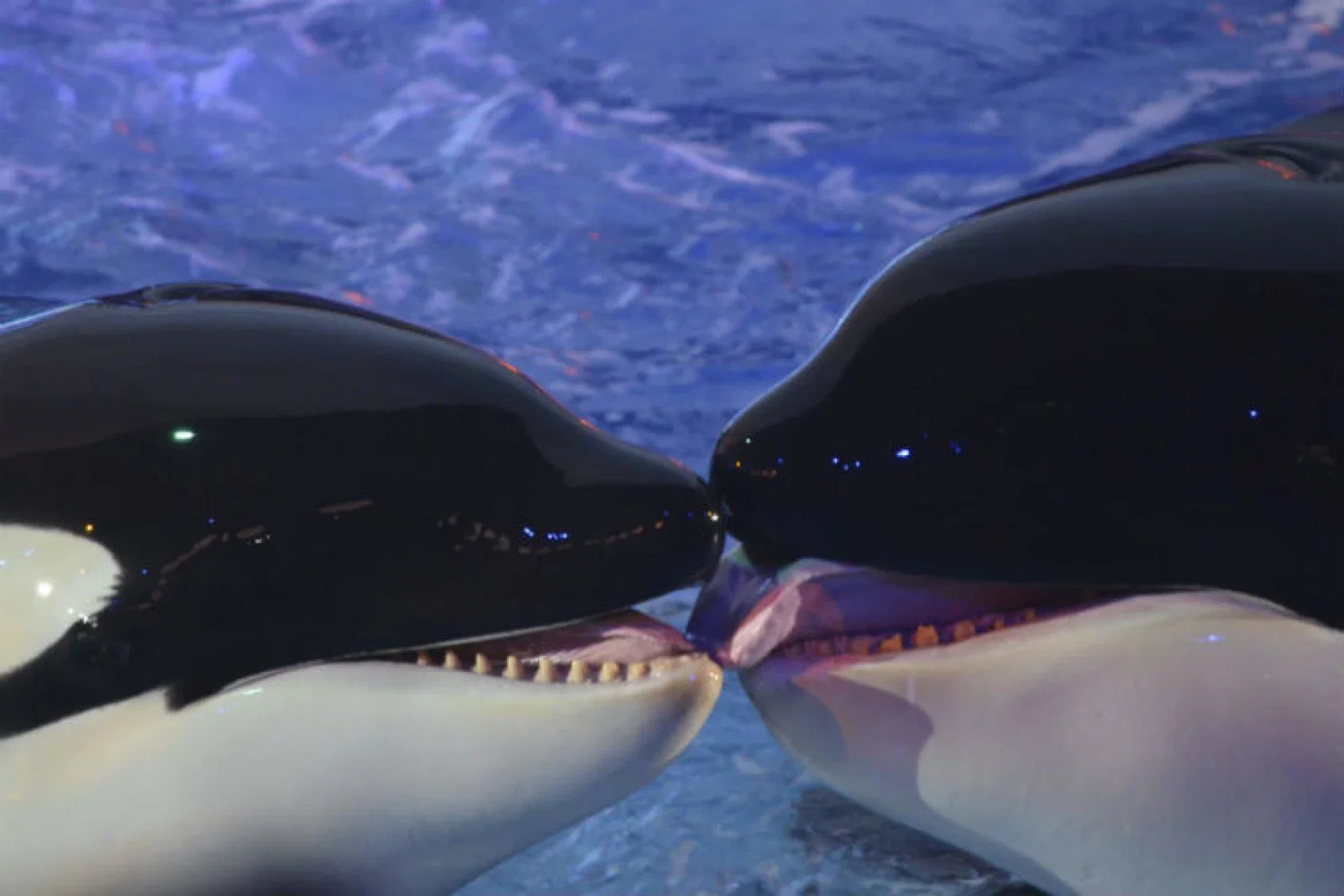
The company, which recently committed to ending its killer whale breeding programme, said the impact on its bottom line was as a result of “accelerated depreciation” following the removal of several deep-water lifting platforms.
The devices were installed after trainer Dawn Brancheau was killed by Tilikum, the orca, which appeared in the 2013 documentary Blackfish.
The company’s net loss increased by 93% to $84 million. Despite this, there was some good news for the company.
Attendance numbers rose by 83,000 guests to 3.3 million, although this did include 33,000 visitors to the resort of Aquatica San Antonio, which opened in March 2016.
Revenue in the quarter increased by 3% to £220 million.
"For the first quarter of 2016, we are reporting total revenue growth driven by higher attendance, particularly at our Virginia, Texas and California park locations," said chief executive Joel Manby.
However, visitor numbers were down at the company’s Florida locations because of fewer Latin America travellers and season pass sales. SeaWorld warned that these issues were likely to continue for the remainder of the year.
SeaWorld committed to phasing out live killer whale shows in November and followed this up with the announcement that it planned to end its breeding programme in March.
Over the past few years SeaWorld has suffered a barrage of negative publicity. It drew criticism following the release of Blackfish and in February it admitted to using employees to infiltrate animal rights groups.
Manby added: "Our March announcement to end all orca breeding and transition our theatrical shows toward more natural orca encounters, as well as our new partnership with the Humane Society of the United States, were transformational decisions that we expect should contribute to an improvement in performance over time, as consumers begin to recognise our continued commitment to providing them experiences that matter.”
Shares in the company closed 5% down on Thursday.