





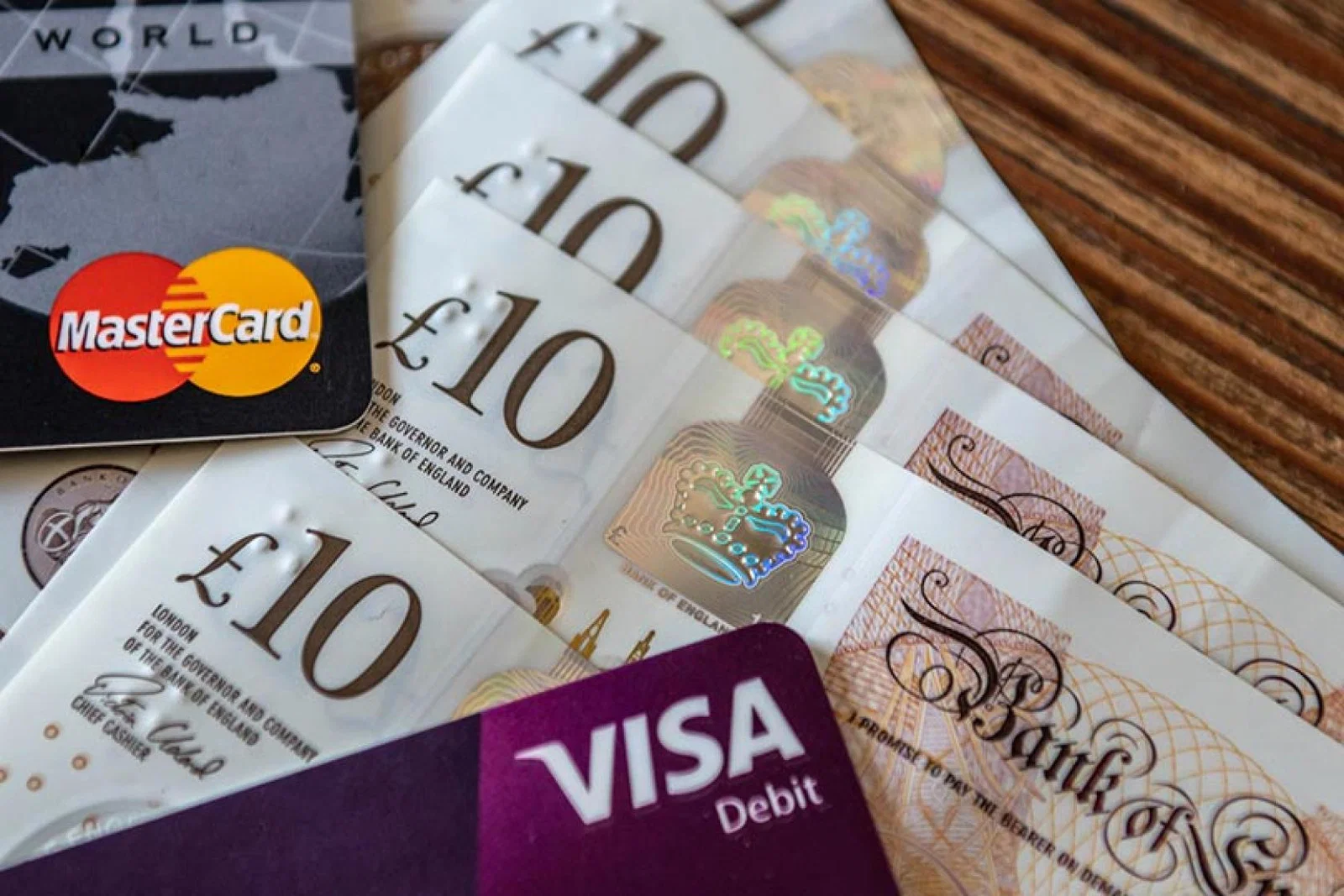
Reports of holiday fraud were down 70% in 2020/21 to 1,907 instances owing to there being less opportunity to travel due to Covid, although losses by victims still exceeded £2 million at an average loss of £1,242 per victim.
Nearly one in ten reports of holiday fraud, meanwhile, mentioned major online booking platforms such as Airbnb and Booking.com, which commonly advertise on social media.
Pauline Smith, head of Action Fraud, said: "We are all more eager than ever to go on a holiday and relax with family and friends, following the coronavirus pandemic.
"However, criminals will stop at nothing when it comes to defrauding innocent people out of a well-deserved break and their hard-earned cash.
"Criminals are increasingly using more sophisticated ways to trick their victims, which is why it’s important that we all do our research when booking a holiday and making travel arrangements.
"Regardless of whether you’re planning on travelling abroad, or going on a domestic holiday this year, remember, if a deal sounds too good to be true, it probably is."
Last year, more than 50% of holiday frauds related to airline tickets (56%) while just under a third related to holiday accommodation (29%).
Almost three-quarters of victims (73%) were aged between 19 and 50.
Three in 10 reports (32%) stated the victim had contact with the suspect after they responded to an approach, or advertisement, on social media. Out of these reports, Facebook was the most common platform where victims were defrauded, referenced in 62% of cases.
Action Fraud said online booking platforms, such as Airbnb and Booking.com, were mentioned in around 10% of reports, largely relating to bogus adverts for holiday accommodation.
Around 7% of victims reported falling foul of suspects impersonating legitimate travel companies through clone comparison, airline and holiday accommodation websites.
"In some cases, victims have searched for flight tickets online and have found a website they believe to be the company’s genuine website," said Action Fraud. "In other cases, victims have used what they believe to be legitimate flight comparison websites to search for flights.
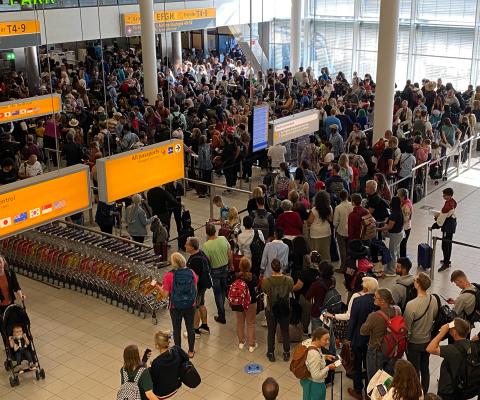
"In both instances, victims reported being contacted by someone purporting to be from the airline, or flight comparison website, to take them through the booking procedure and take payment. Sadly, some victims have only become aware that they have been the victim of fraud when they arrive at the airport and are unable to check in."