




Transport secretary Grant Shapps confirmed the decision in a tweet shortly before 5pm on Thursday (10 September), with Hungary, French Polynesia and Reunion also axed.
The Foreign office is also now advising against all but essential travel to mainland Portugal, and the other three destinations.
It means quarantine-free travel between England and mainland Portugal will end at 4am on Saturday (12 September), consigning thousands of Brits to two weeks’ quarantine upon their return.
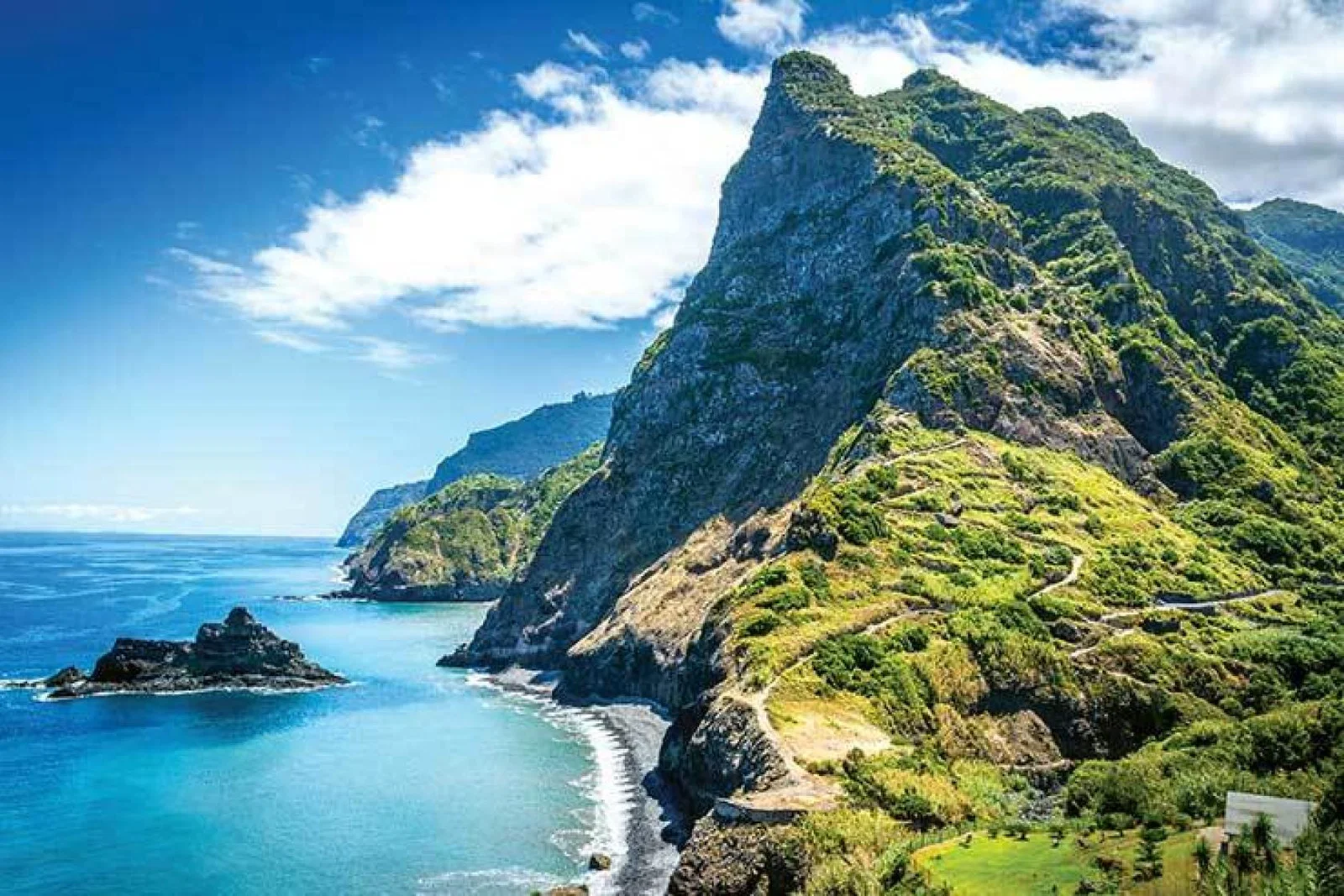
Portugal’s islands, Madeira and the Azores, have been excluded from the new quarantine rules and FCDO exemption as a result of the government’s shift to a more regionalised quarantine policy.
The decision on Portugal came, confusingly, a week after Portugal exceeded the government’s usual 20 new coronavirus cases per 100,000 people over seven days measurement, which it has broadly used to determine which countries are added or removed from the travel corridor list.
The government has not explained why Portugal was given a week’s exemption, other than to say it uses other measurements and information to make its decisions beyond the cases threshold.
Reacting to the decision, Advantage Travel Partnership chief executive Julia Lo Bue-Said said the current "stop-start" approach to quarantine could not continue, and reiterated the consortium - and the wider travel industry’s – calls for an airport testing regime as an alternative to quarantine.
“With Portugal now being removed from the UK government’s ’safe list’ of travel corridors, it does raise a question over what criteria the UK government is using to remove destinations given the country’s rates of infection being over the threshold this time last week," said Lo Bue-Said.
"This week alone, we have seen further announcements of redundancies in the sector and travel businesses failing and we cannot continue with this stop/start approach to destinations being added and removed from the list. We are looking at 39,000 jobs lost or at risk and that is before the majority of businesses have entered redundancy consultation.
"We urgently need sector-specific support and must secure the government’s backing on testing at ports of entry. Testing on arrival and then again five days later would help to reduce the length of quarantine which is causing so much anxiety for consumers and ultimately cancellations of bookings and loss of revenue for travel agents.”
Gloria Guevara, president and chief executive of the World Travel and Tourism Council, said the latest travel corridor decision would come as another "major body blow" to consumer confidence in travel.
“The WTTC shares the dismay and severe disappointment of thousands of British holidaymakers and the travel and tourism sector as Portugal once again goes back on the quarantine list," she said.
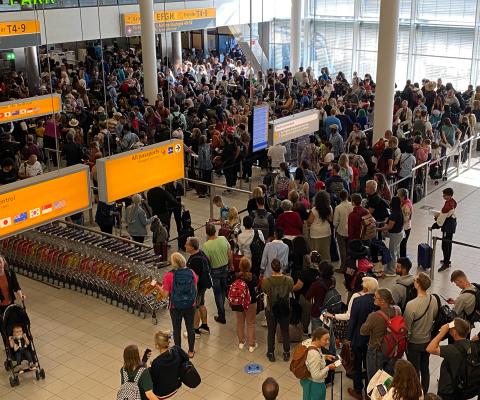
“Taking Portugal and Hungary off the exception list has left families and in a race against time to find flights and get home to avoid going into 14 days of isolation, or cancel their already made plans.
“This depressingly familiar situation is a major body blow to consumer confidence to travel. For while Madeira and the Azores will be excluded from the quarantine list under the government’s new ’island policy’, it will come as little comfort to the vast majority of holidaymakers, and the embattled travel and tourism sector, which has seen the 2020 summer holiday season effectively crushed.
“All of this chaos could be avoided if only the government took decisive action to ditch damaging and disruptive quarantines in favour of a comprehensive, fast and cost-effective airport test and trace programme. Until then, the disruption will continue, and the economic recovery will become ever harder to restart.”