


Race Across the World does have an impact, people get excited by it. They call up and ask about the places that have been shown on screen. It is a fantastically engrossing show.
At TransIndus, we have seen an increase in enquiries for the Stans but not for Mongolia – yet! Considering the series concluded last night in Hatgal, having also shown Kharkhorin and the Orkhan Valley, we anticipate more volume for Mongolia in the coming weeks.
Whether this short-term interest continues into long-term business is dependent on a variety of factors; our promotion to our audience, the destination tourism boards’ promotion efforts and macro politics, to name a few.
Alongside our perennially popular Uzbekistan group tour, we have recently released brand new tour itineraries for The Silk Road and Mongolia, which we hope will satiate the extra demand created by Race Across the World.
Two tours we are especially excited about are “The 5 Stans” tailor-made tour – an epic 27-day odyssey tracing the footsteps of the ancient Silk Road – as well as our “Mongolia Discovery” 15-day group tour, where travellers will travel by private vehicle across open steppe and desert plains, exploring ancient petroglyphs, dramatic gorges and sacred monasteries set against endless sky.
In terms of tourism readiness, the region is clearly progressing, but at different speeds country to country. Uzbekistan and Kyrgyzstan are the most developed for visitors in our experience, while Kazakhstan and Tajikistan remain more dependent on specialist logistics, seasonal access and longer travel times.
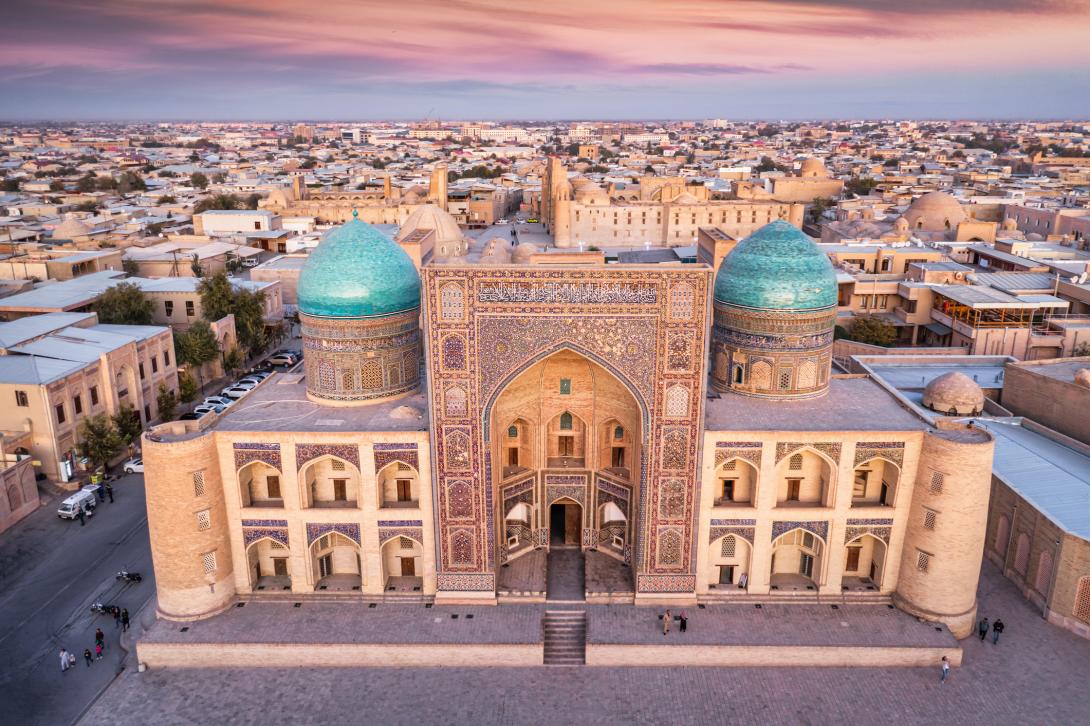
Two sets of contestants – Katie and Harrison, and Andrew and Molly – travelled through Bukhara in Race Across the World 2026
The road conditions in all countries vary greatly – you can expect good standards in major cities but bumpy, pot-holed tarmac is common in rural and desert areas. Visa procedures have become easier across much of the region, which is a strong sign of growth, although Turkmenistan remains more administratively challenging than its neighbours. As a whole, the region is well equipped for adventure, but luxury travel still has a way to go compared to the other regions we sell like Southeast Asia, the Indian Subcontinent and the Far East.
On sustainability, the picture is encouraging but uneven. There are signs of a move toward community-based tourism, local hospitality and more responsible travel practices, yet the industry is still evolving and the environmental pressures in parts of Central Asia remain significant. In other words, the foundations for growth are there, but the long-term test will be whether expansion can be managed without eroding the very landscapes and cultures that make the region distinctive.
Client matching
When agents are selling these destinations, the main aspect to be mindful of is their clients’ fitness. While infrastructure is ever-improving, those with mobility issues may find it challenging traversing the Stans, particularly if they have back pains or struggle with walking. General good health is recommended for this region. However, this is not to dissuade people from Central Asia, it is rather to encourage people to speak to a specialist such as ourselves before travelling if you have any concerns about your clients’ health or mobility.
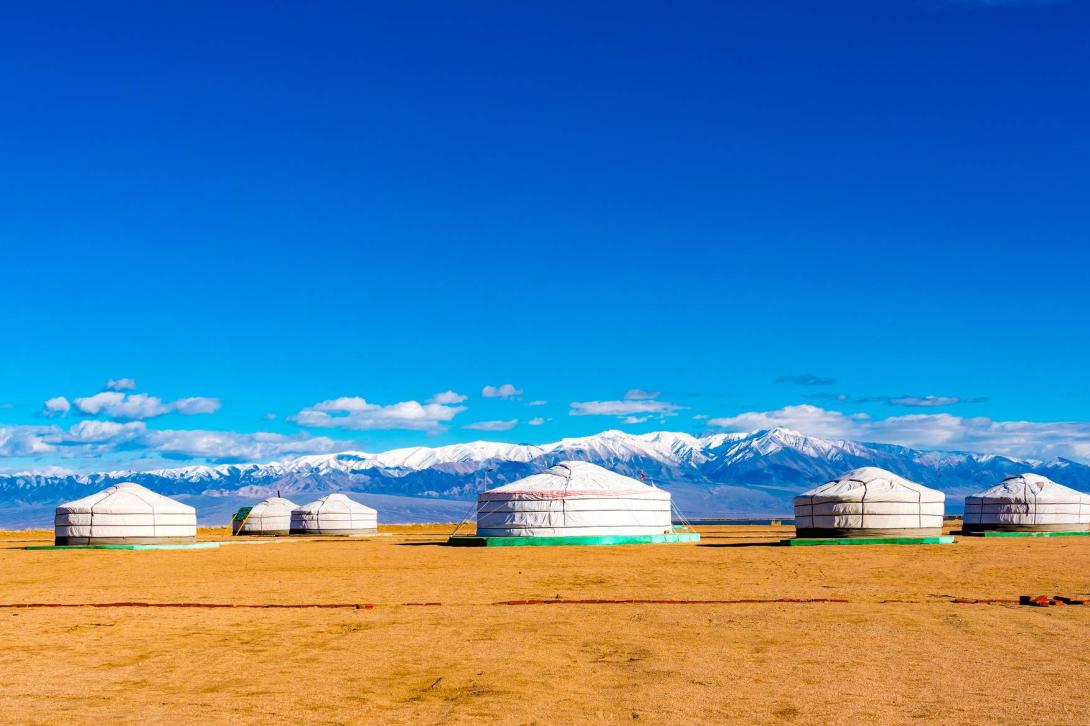
Race Across the World contestants immersed themselves in traditional, nomadic living by staying in authentic yurts © iStock
It's also important to set the right expectations. Travellers seeking seamless comfort, highly polished infrastructure or easy independent travel may find the region more demanding than they imagined, while those who dislike long road journeys or limited vegetarian choice may struggle in parts of their journey (although it is worth mentioning that Uzbekistan in particular does offer a fine selection of vegetarian options).
The ideal visitor is someone who values history, landscape, cultural depth and a sense of adventure. For these visitors, the Stans and Mongolia will offer bountiful rewards.
Our message right now to travel agents is to embrace these countries! Enjoy the process of learning more about these vast, untamed lands so you can sell it to clients with gusto and reverence. These are destinations where expert planning really enhances the experience, particularly given the transport logistics, border crossings and regional nuances.
If you are looking for group tours or tailor-made options for your clients for the Stans or Mongolia, our travel specialists at TransIndus are here to help.
Choosing between the five "Stans"
The five “Stans” is a region of many contrasts rather than a single destination.
Uzbekistan is the Silk Road classic, centred around the magnificent cities of Khiva, Bukhara and Samarkand, whose resplendent turquoise-domed architecture reflects centuries of trade and cultural exchange. It is enlightening to see how trade happened across one of the world’s first great international trading networks, with cities such as Bukhara serving as major centers of trade and scholarship.
Few visitors venture further than the major cities, but there is ample incentive to do so. The silk workshops of the fabled Fergana Valley, the forgotten fortresses of the Khorezm Delta region, and nomadic camel herders camps on the fringes of the mighty Kyzlkum desert offer insight into traditions and ways of life that survived decades of Soviet influence.
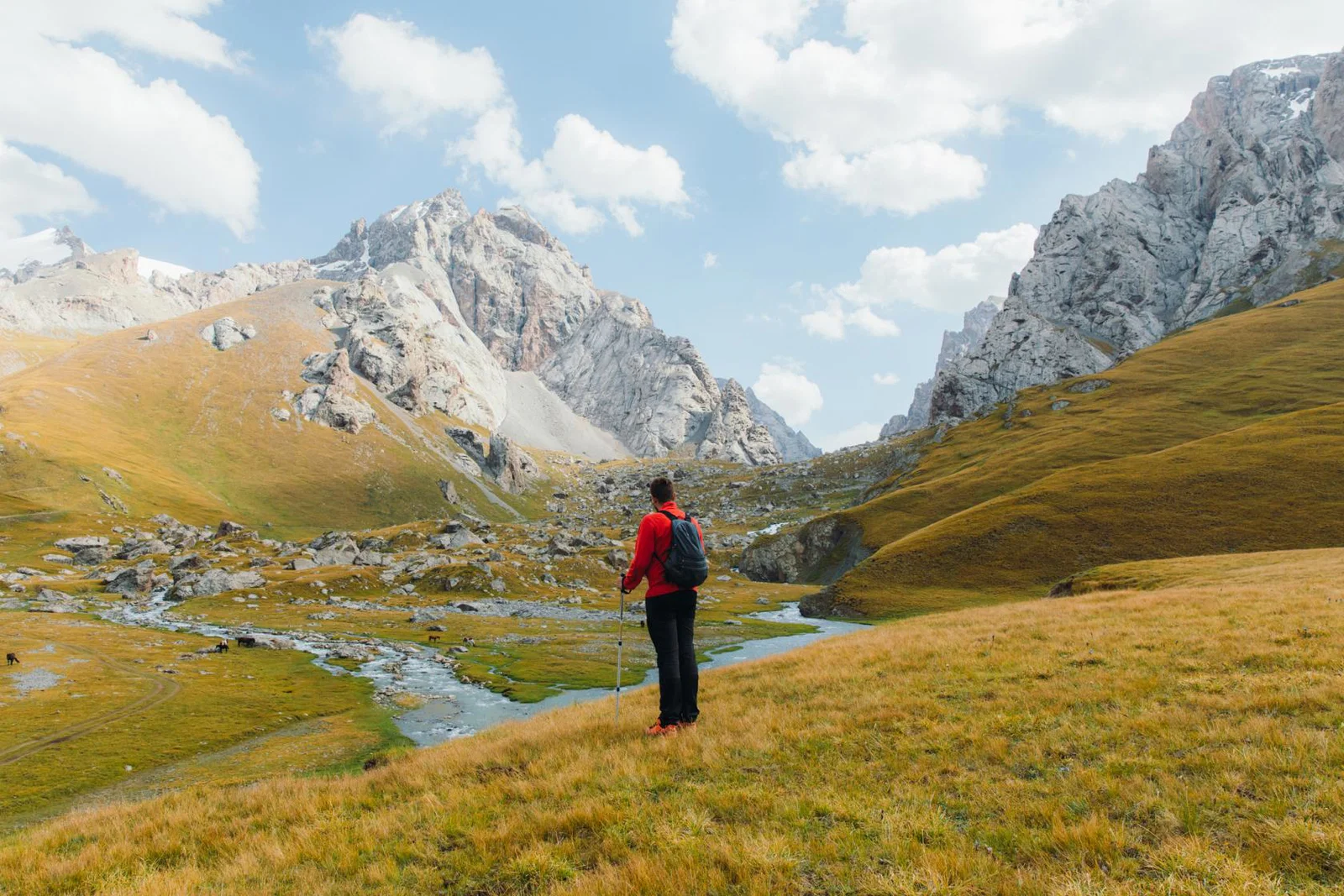
Kyrgyzstan is the most elemental and outdoorsy of the Stans, defined by mountains, nomadic life and open landscapes. Horse riding across high pastures and relaxing beside mesmerizing blue lakes makes travel here feel deeply immersive.
Kazakhstan, the largest of the Stans with huge swathes of sparsely populated steppe, feels more modern, combining the urban sophistication of its two key cities – Astana and Almaty – with vast steppe and wilderness.
Turkmenistan is the most unusual and tightly controlled, with a surreal character evidenced by otherworldly phenomena like the Darvaza Gas Crater, a 69-metre-across (226-ft) depression in the desert spewing methane gas flames.
Tajikistan is the most remote and adventurous, shaped by high mountains and demanding overland travel – fantastic for hikers.
As for Mongolia, with its huge expanses of steppes, desert and taiga, you’ll find some of the most pristine wilderness on earth. The country boasts a population of just over three million people, scattered over an area three times the size of France. And almost half live in one city: the capital, Ulaanbaatar. The rest maintain a largely nomadic existence in encampments of grey, felt yurts, or gers, where they tend horses, cattle, sheep and goats – in much the same way as their ancestors did during the age of Genghis Khan.
In our experience, and this is generally well documented, the 5 Stans and Mongolia are very safe destinations for travellers.