


Malta is no stranger to turbulent periods of bitter conflict, siege and foreign rule. But thankfully, for the tourist board, that is all part of Malta’s colourful history. These days, the islands are much more tranquil.
This perception of safety, combined with the ease of access thanks to a strong regional flight network, has helped Malta achieve 19% growth for the UK market year-on-year to April 2026, and there’s no discernible panic around this summer’s numbers.
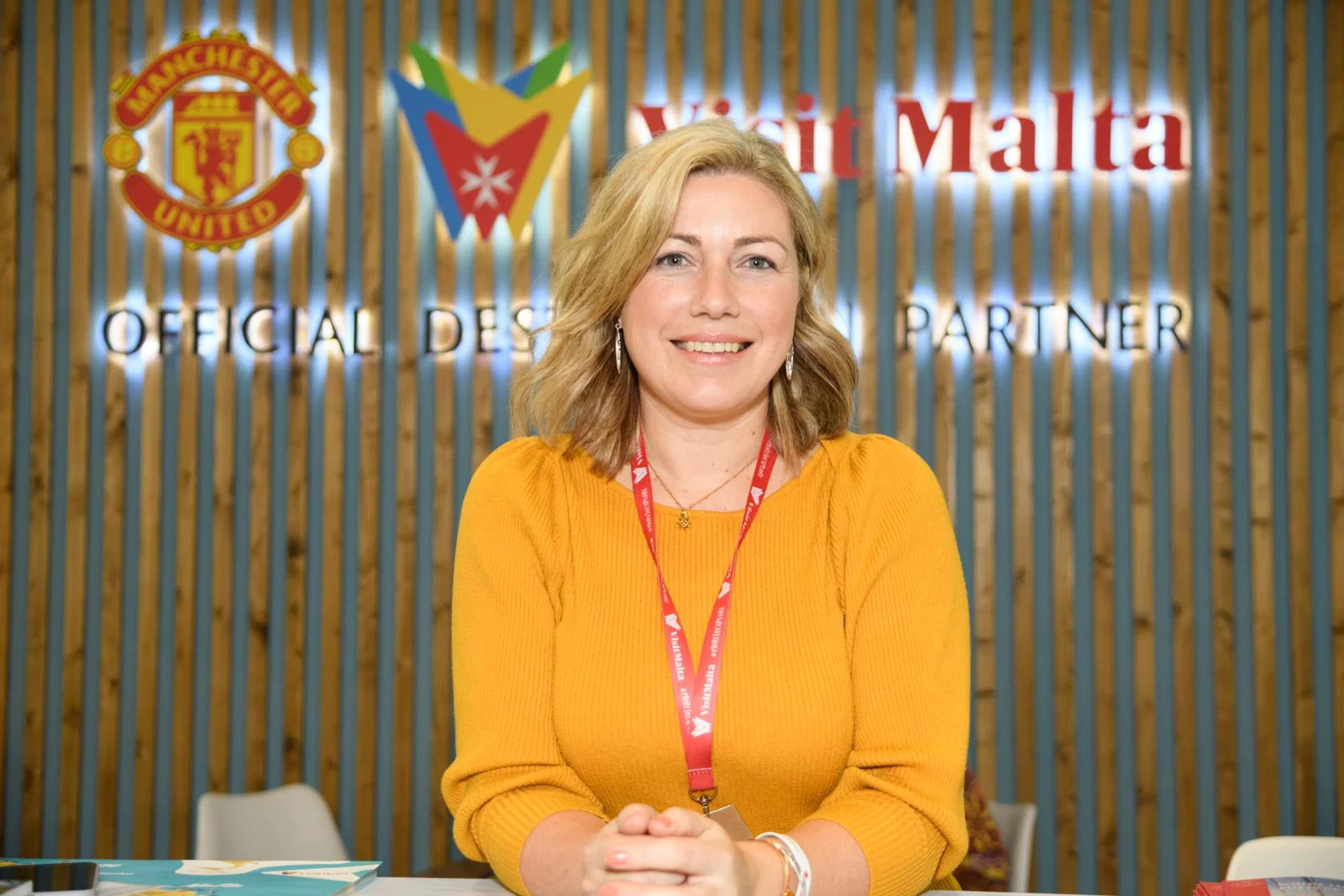
“There are very few barriers to selling Malta,” declares Tolene van der Merwe, director UK and Ireland for the Malta Tourism Authority. “We are quietly confident going forward – we’ve had no flight consolidation, and our hotels are quite happy with their summer bookings."
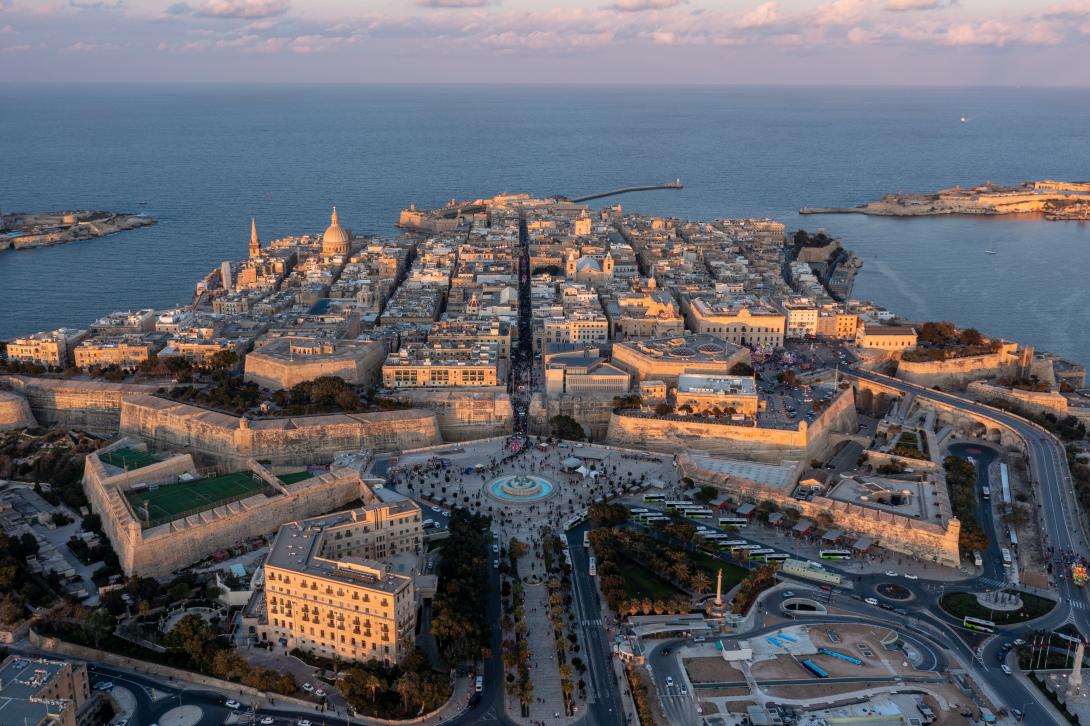
Historic Valletta is Europe's smallest and southernmost capital
She continues: "The market is extremely late. We look at our national carrier Air Malta – one week, we’re thinking maybe we need to up a few things, and the next week, it’s shot through the roof.”
Neither is summer the focus for the tourist board. In line with the tourist board’s sustainability strategy, there’s no sense in promoting travel when it’s busier and hotter in the Mediterranean.
“We are making sure people know that we are 365 days a year,” she says. “There’s no time that we shut down and you can’t access Malta. And we are seeing an increase in arrivals in our shoulder season, and an increase in overnight stays in Gozo as well. That’s been a big focus for us too.”
'Only one airport to worry about'
In addition to the general travel anxiety caused by the conflict in the Middle East, Malta has also had the introduction of the EU Entry-Exit System (EES) to deal with. Although van der Merwe says suspending the biometric checks is not an option, she does highlight Malta has the ability to temporarily disable the system if and when queues start to build.
“We’ve just got the one airport to worry about,” she says. “The arrivals section of the airport is newer and we’ve got a vast number of booths. We do have the ability to increase our border force when we have peaks of flights from non-EU countries coming through, and the other way we can combat it is to switch the system off for up to six hours to clear the backlog and shift people through.
“In departures, the non-EU section is quite far away from the EU section. There is just the one security entry point, but it tends to move quickly. We still advise getting to the airport slightly earlier to eliminate any stress.”
'Trade engagement is our priority'
When it comes to trade relations, Malta Tourism Authority – winner of last year’s tourist board of the year at The Travel Industry Awards by TTG – has always prided itself on being accessible, a point van der Merwe is keen to reinforce.
“We’ve got a monthly newsletter that goes out to our trade database, and that covers all our different events, like the Malta International Fireworks Festival in April," she explains. "I’ve only got two people on the road doing training – Manuel (Manny) Holden and Gabriela (Gabby) Milkova, so we are trying to focus a little more on webinar training. If agents need any of that, we’re happy to accommodate.
“We’ve got our online training programme, our social media, our trade Facebook group, our B2B operators, so we’ve got different touch points. And we’re constantly looking for different ways to engage with the trade – Malta is only a three-hour flight away so if we need product to come over from Malta, that’s fairly easy for us to do.”
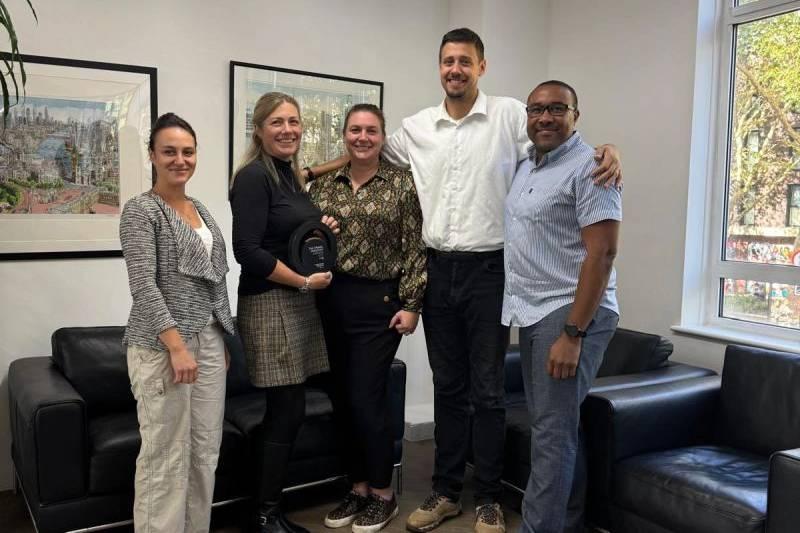
The Malta Tourism Authority UK team, from left: trade relations executive Gabby Milkova, director Tolene van der Merwe, marketing promotions manager Lindsey Thorpe, trade relations executive Manny Holden and MICE executive James Ellis
Just like the tourist board is uplifting year-round reasons to visit, its promotional strategy is also prioritising Malta and Gozo’s lesser-known sites.
“Everyone knows Valletta, Mdina, St Julian and Sliema, so what we’re trying to do is let people know there’s a lot more to Malta than just those key areas. Go to Marsaxlokk, one of the most picturesque fishing villages. Every Sunday, the promenade hosts an incredible market, and it has great seafood restaurants.
"Go up to Mellieha, and St Paul’s Bay. Get out on a kayak and explore the little coves around Comino. The key thing agents need to remember is that Malta is really compact and it’s so easy to get around.”
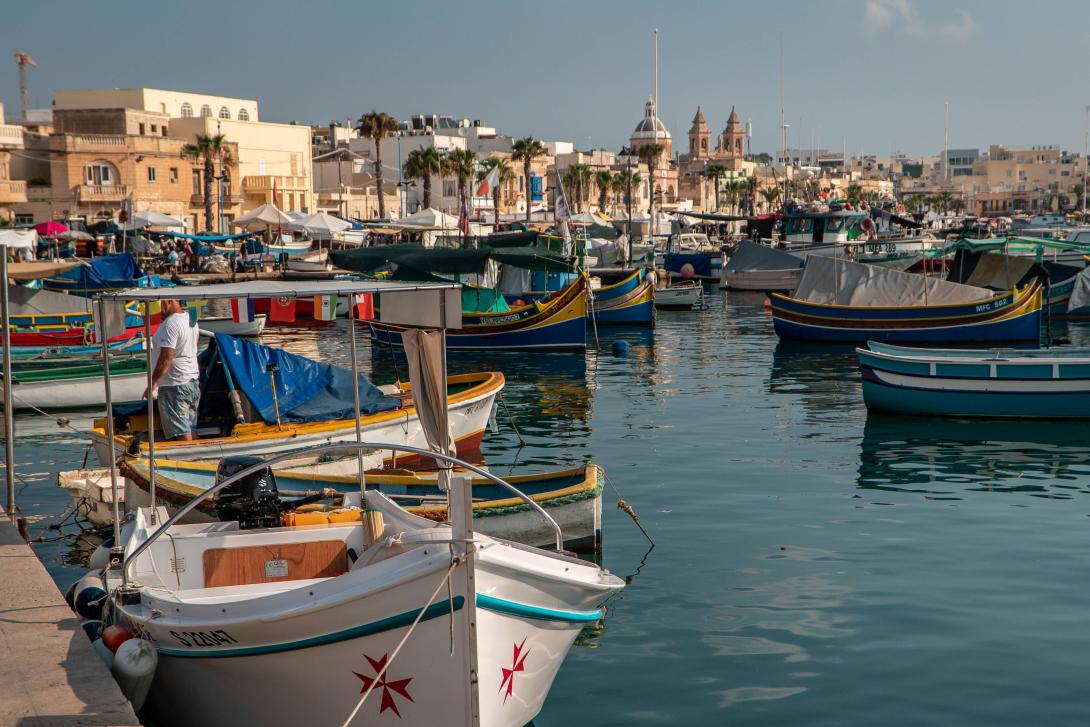
Marsalokk, a picturesque traditional fishing village in south-east Malta
Rather than hiring a car, and dealing with potential parking challenges, she recommends taking taxis or investing in reasonably priced multi-day bus pass for Malta’s air-conditioned electric buses, as a way to explore the different attractions.
Getting across to Gozo is also convenient, with ferry options from Cirkewwa in the north of Malta, Valletta, and also Bugibba/Sliema.
“Weather-wise, my favourite time is October-November and March-April. It’s so nice to go out and do walks and hikes. And Christmas time, we have festive things happening around the Valletta area. It’s quieter so easier to get around and it’s really beautiful when it’s lit up.”
'Coastal development is not unique to Malta'
One of the criticisms levelled at Malta in particular, less so at Gozo, is the pace of development – the new Hard Rock Hotel Malta opening its doors later this year is one example of a brand-new coastal development with a sizeable footprint of 397 sea-view rooms.
“In any country on any island anywhere in the world, if there’s a coast, there’s going to be development – you can’t stop that,” says van der Merwe. “People want to be by the sea. Obviously, it’s up to the planning department within the ministry, but there has been a shift in licences and there won’t be any planning developments under a three-star hotel.
"We’re trying to push quality over quantity, and our five-star product is picking up massively. We’ve got some really big names within Malta now.”
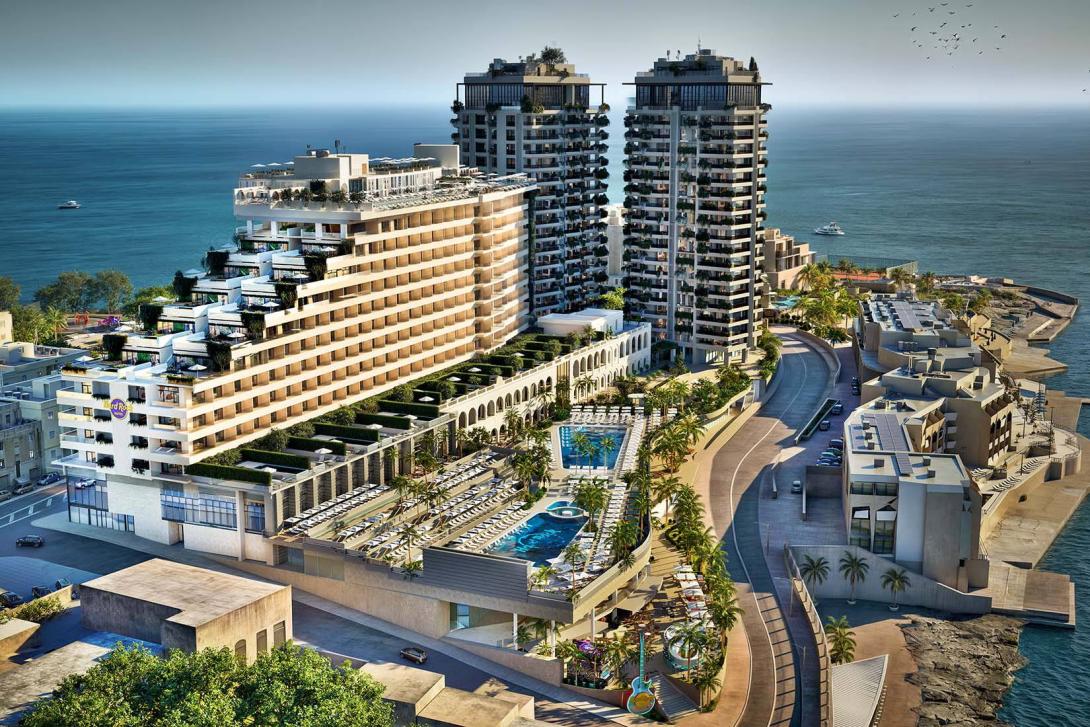
Hard Rock Hotel Malta opens later this year in St George's Bay, a 15-minute stroll from lively St Julian's
But if clients are worried their summer holiday could be in the middle of a building site, van der Merwe has these words of reassurance: “There is a shutdown in key tourist areas during the high season when no demolition or excavation can take place.” This is taking place between 15 June and 30 September 2026.
She’s also keen to point out the scale of restoration programmes and the repurposing of heritage buildings so they don’t become dilapidated. “This is happening in the villages as well as the cities like Valletta," she adds. "Old buildings are being developed into boutique hotels, and the majority have a rooftop terrace, so you get a beautiful view. They’re very charming and gives us something so different.”
'There's so much more to Malta'
This is a side of the island that the MTA is keen to lean into – that there’s more to Malta than fly and flop with a side serving of history.
“We are focusing on letting agents know it’s not just about the hotel, it’s not just about culture and history, it’s active travel experiences – there’s wellness, gastronomy, some amazing wines, slow travel, solo travel, female travel – that’s all picking up.”
“And we are such a welcoming destination, just speak to the locals and you’ll get so many little nuggets, like where’s good to explore and where to buy the best bread.”
There are many pre-conceptions with Malta, she explains, such as that it’s just for retirees. For a while, they pushed the festival and the youth segment hard, but more recently she and her team have been going back to basics and rebuilding the strategy, “as if we were a first-time country, coming into this large market, and fighting our battles to get the top, by focusing on quality over quantity".
As agents on last year’s TTG Top 50 Champions fam trip to Malta made clear, Malta is a destination that loves to challenge preconceptions, and van der Merwe acknowledges her hard-working team for the roles they’ve played in helping that.
“Manny, Gabby and James are incredible," she says. "I have to stop them from running around everywhere all of the time, and I will forever give them credit for how well they’ve done to change the perceptions of agents for the destination.
“As small as we are, our repeat visitors are increasing and that’s because people fall in love with Malta and Gozo, and they come back.”