



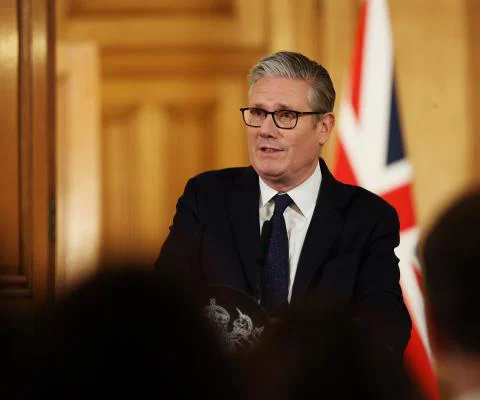
Foreign secretary Dominic Raab confirmed the government’s decision during Thursday’s daily coronavirus briefing (16 April).
Raab said the decision was based on the latest scientific and medical advice, and stressed it was important for the UK to "take the right steps at the right time" to suppress the virus and avoid a second wave.
Any changes to social distancing measures now would risk a "significant increase" in infections said Raab, and would risk a second peak that could undo any progress made so far and require a longer period of lockdown.
He added relaxing social distancing measures early would be just as likely to do more damage to the economy.
The extension means retail, leisure and hospitality businesses, including travel agencies, will have to keep their doors closed for the foreseeable future.
Raab offered no further comment or guidance on the Foreign Office’s decision earlier this month to update its travel advice to advise against all non-essential travel worldwide for an "indefinite" period.
He set out five considerations government must be satisfied are met before the lockdown measures could be relaxed. These include assessing the NHS’s ability to cope; observing a sustained and consistent fall in the daily death rate to be confident the infection has peaked; and confirming with data the rate of infection is falling.
"The worst thing we could do now is ease up too soon," said Raab, who added that only when the government was confident there would not be an adverse health impact would it start allowing social and economic activities to resume.
First minister Raab, who is deputising for prime minister Boris Johnson while he recovers from Covid-19, revealed the government could consider relaxing measures in some areas while imposing more stringent restrictions in others, based on infection data.
"We know it’s rough going," said Raab. "We must keep up this national effort for a while longer, we’re seeing our efforts paying off. There is light at the end of the tunnel."