









Prime minister Boris Johnson’s “roadmap” announcement on 22 February set the tone for this work, advocating a cautious but irreversible transition out of lockdown over the coming weeks and months.
The first meeting of a new Global Travel Taskforce, on 2 March, has been welcomed by travel, raising hopes of greater industry input into its 12 April report assessing how travel can restart safely.
Destinations are making encouraging noises too about reopening promptly to the UK market; Cyprus has said it will reopen to vaccinated Brits in May, and Greece has hinted at a similar approach.
Spain and Portugal, meanwhile, have spoken of creating more formal “green” – or vaccine – corridors, in line with the EU’s work on a “digital green pass”. It hopes to have a plan ready by 17 March.
But while vaccination looks set to be a cornerstone of travel arrangements, many people won’t have had a jab by summer owing to their age or other circumstances.
The EU has signalled its pass will certify travellers’ negative Covid status via testing, with other digital passes in the works – Iata’s Travel Pass concept is being trialled by several airlines, while British Airways is working with the VeriFLY travel health app.
The Global Travel Taskforce’s work will also be integrated with a review, led by Michael Gove, of “Covid status certification”.
MORE: In TTG; How can travel rebuild as a more sustainable sector?
A recent Skyscanner poll of 2,000 UK adults found 83% of people would be prepared to carry some form of digital health pass in order to travel.
The key point the industry wants to avoid, though, is a return to the stop-start travel corridor system; 91% of the nearly 400 firms polled on the issue by the Save Our Summer campaign said they would not want the same arrangements this summer. Nearly 80% said testing should replace all other measures to mitigate Covid-19, and 85% said they would support digital vaccine certification.
What is evident is that the government’s roadmap, international efforts to address the challenges posed by restarting travel and the flexibility being offered by travel operators is starting to slowly stimulate demand.
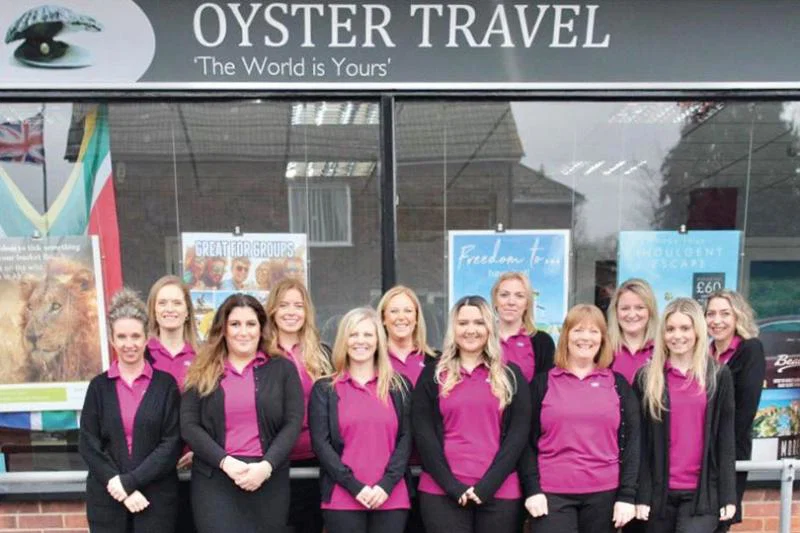
Sophie Baker, owner of Oyster Travel in Norwich, told TTG the agency enjoyed its best trading week since January 2020 in the week beginning 1 March.
“People are spending more, doubling up on what they didn’t spend last year,” she said. One booking ran to £45,000, with departures ranging well into 2022.
Leeds-based Spa Travel partner Paul Dayson said his business took seven new bookings in the same week, mainly for September and October half-term, with more following in the week beginning 8 March.
“They’re all good, new bookings,” he said. “There’s definitely more interest – not a surge, but good interest.”
Baker and Dayson’s outlook comes as research continues to show people are returning to specialists.
Nearly four in five (79%) respondents to a recent Experience Travel Group/Aito poll said they planned to book with a specialist operator or agent over the next 12 months.
Further support
These agents and specialists are far from out of the woods, though. While chancellor Rishi Sunak’s spring Budget delivered on some of travel’s basic needs and wants, as Travel Network Group chief executive Gary Lewis expands on here, it was just a sticking plaster.
Furlough, grants and business rate relief will help bricks and mortar premises, while newly self-employed businesses owners will now be eligible for grants under a widened Self- Employment Income Support Scheme (SEISS) – but there remains no respite for those running limited companies.
Travel Counsellors chief executive Steve Byrne said it was disappointing the Budget didn’t show specific care and attention for people working in the industry hardest hit by the pandemic, including some business owners yet to qualify for support.
“Over the past year, while remaining understandably focused on the need to protect health and wellbeing, the government has not met this with the requirement to protect the livelihoods, income and wellbeing of those running businesses in travel,” he said.
“Pent-up demand is there, and vaccination and testing will provide a secure basis for travel to open safely, so we must help the people who will be essential, trusted travel advisors for customers when the world opens up for travel again.”
Restart cashflow
Sheena Whittle, head of The Personal Travel Agents at Co-operative Travel, said while she welcomed SEISS being widened to cover some previously excluded homeworkers and those with fledgling businesses, there remained a “significant gap” in support for some PTAs.
“We had hoped government would acknowledge the challenging situation for agents and the wider travel industry with some industry-specific support, but this was disappointingly lacking.”
Not Just Travel co-founder Steve Witt offered a more positive take. “The overall message was one of confidence,” he said of Sunak’s address.
“Consumers will not be hit too hard [by the Budget]; as a result, they will feel confident about spending. Job security and disposable income are crucial to this.
"More specific help for travel is overdue and would be strongly welcomed, but until this comes, we need customers booking and able to travel. This will restart cashflow, which will protect everyone.”