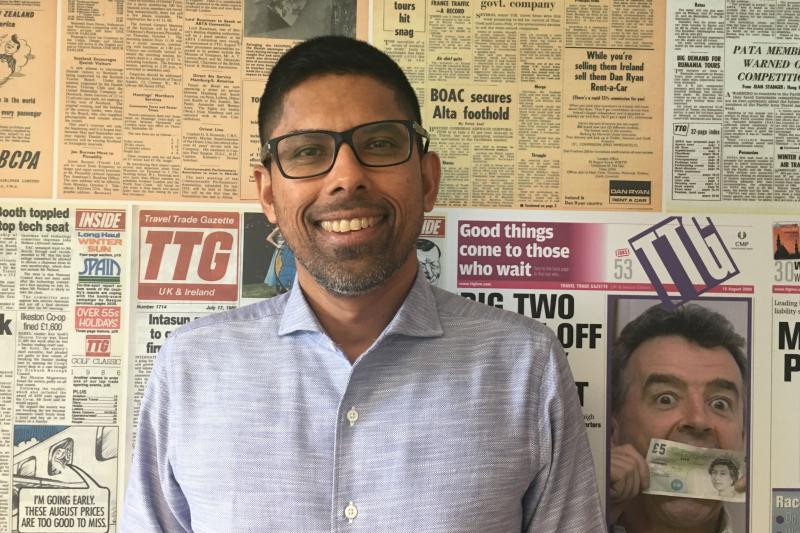


Early on Easter morning, Resplendent Ceylon managing director Malik Fernando was set to leave his house for a business meeting when reports of a series of bombings in Sri Lanka’s capital Colombo reached him.
Explosions at hotels and churches would claim the lives of more than 250 people, including 45 foreign nationals, and leave a country celebrating a decade since the end of a 26-year civil war, in shock.
Watching events unfold, Fernando spent hours contacting overseas partners. “It was a painful and tragic wake-up call, and I asked our partners not to give up on us,” he says.
“A lot of British visitors wanted to stay,” Fernando recalls.
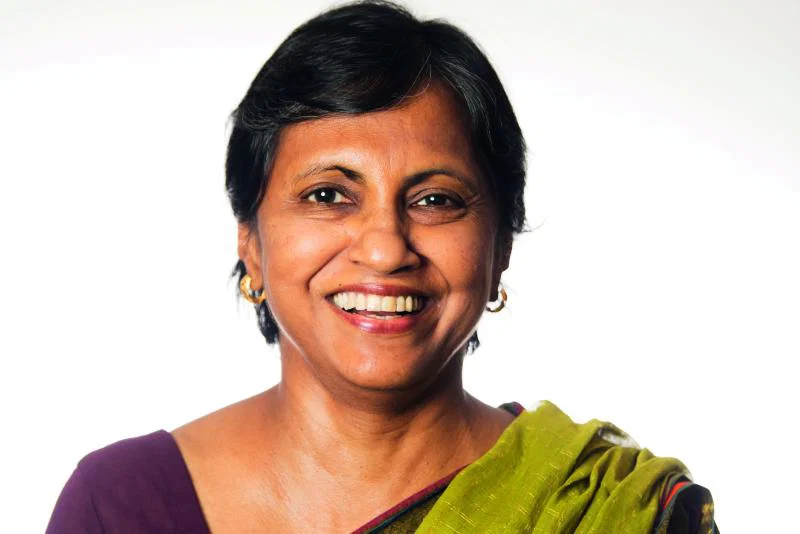
Shiromal Cooray, chair of Jetwing Hotels, agrees. She says the ensuing days were “manageable” with “very few [customers]” choosing to leave.
But four days later, on 25 April, the British Foreign Office advised against “all but essential travel”, putting Sri Lanka out of reach for UK guests.
A “wave” of cancellations followed for Resplendent Ceylon, Fernando recalls. “The advice change really hit us hard. It was understandable, but it was a very despondent time.”
“Every Sri Lankan was suffering – from hotel owners to tuk-tuk drivers,” adds Cooray.