Flash of an idea
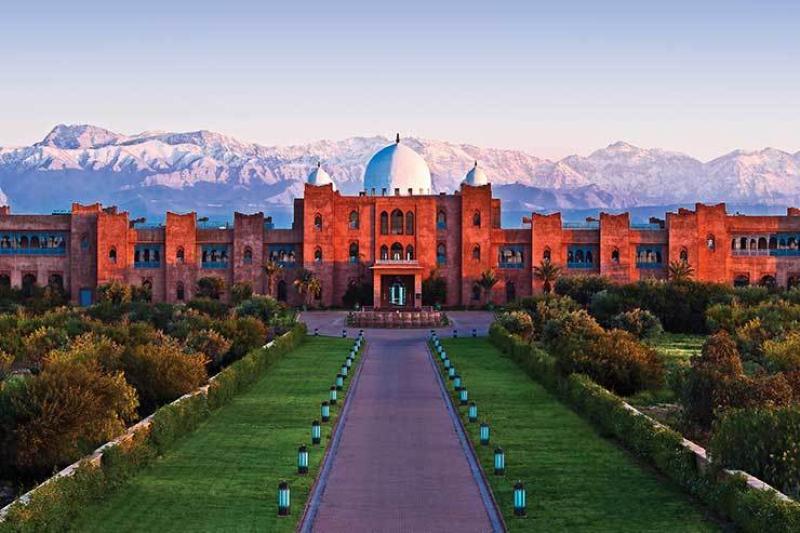
Secret Escapes offers deals to hotels such as Taj Palace in Marrakech, Morocco
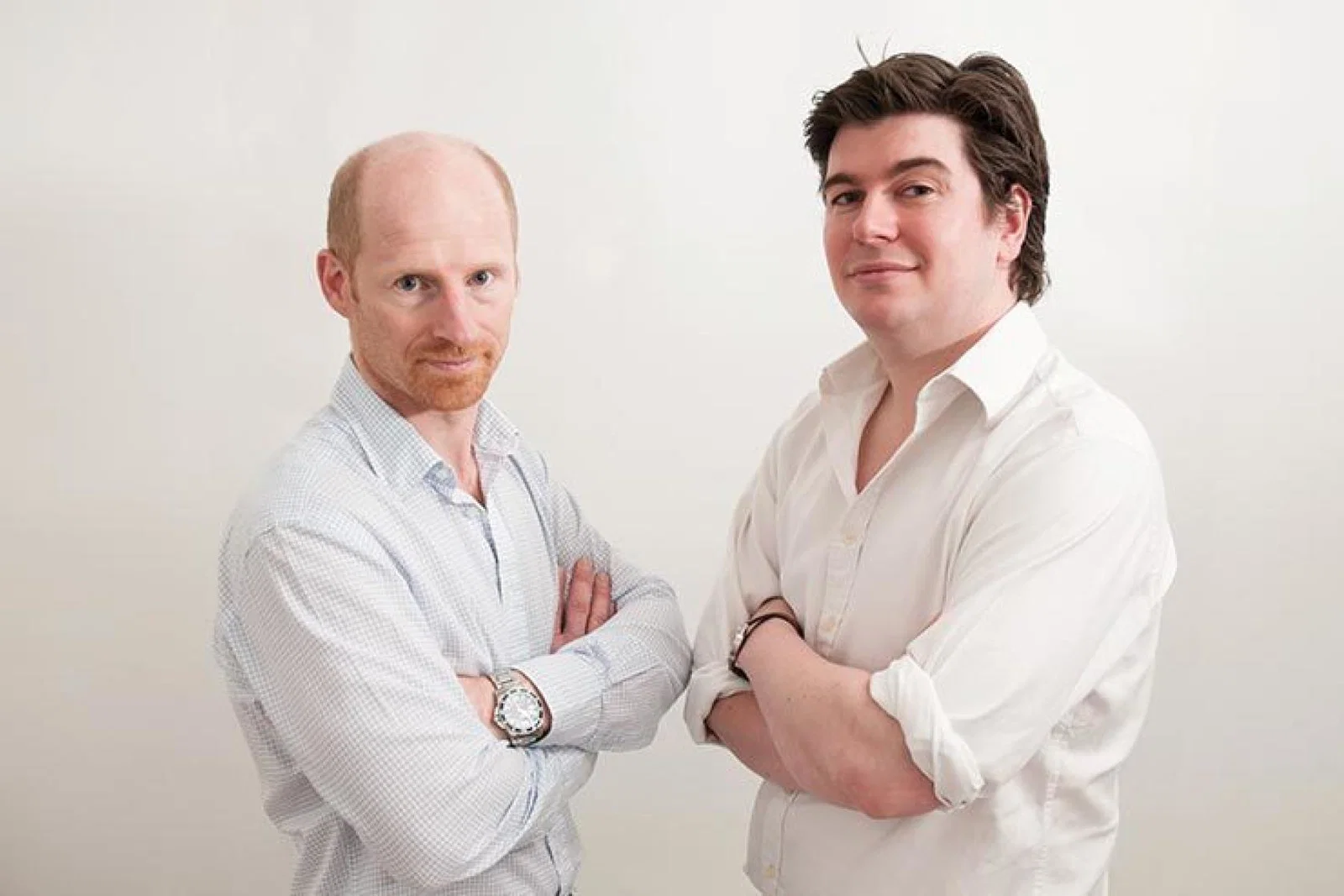
Secret Escapes began life as a side project for Saint and his then colleagues, while they ran a travel comparison site called Dealchecker.
“We started gathering our thoughts together around this idea of flash sales. We saw some successful businesses particularly in France starting to do this and thought we could apply that to luxury travel in the UK,” he says.
Eventually Dealchecker was sold off, with the pair concentrating fully on Secret Escapes in 2011.
Saint describes this time as the “peak of frenzy” in the deals market with the likes of Groupon and LivingSocial becoming increasingly familiar brands to consumers keen on scooping up bargains.
When the former went public in November 2011 it was the largest flotation of an internet company since Google in 2004, and in some ways this could be seen as the high-water mark of the sector. However, the frenzy surrounding the deals giant was not sustained – Groupon’s IPO might have been priced at $20 a share, but the stock is currently trading at around $4.
“They [Groupon] are still quite a force, they’re a big, big business but they’re very much out of favour,” says Saint.
“We’ve looked at a lot of things they’ve done, the way they’ve grown the business. Fundamentally those guys burned a lot of their members by communicating with them on a very, very regular basis about products that were not inspirational.”
For Saint and Valentine their offering needs to contain both the inspiration and the discount.
“People love getting emails from us,” says Saint. “When it’s done well our [type of] business is absolutely sustainable.”
The financial performance of Secret Escapes appears to bear this out – at least in part.
In its first year of operation in 2011, the company reported a turnover of just £257,000 and a mailing list containing only 467,000 people; by 2014 (the most recently released set of accounts) this had been transformed into a turnover of £20.4 million with more than 11 million people signed up.
That same year, the company suffered a loss of £14.9 million, but while this might look alarming the pair remain relaxed about the situation.
“The company could be profitable if we wanted it to be based on the territories we’ve got now,” admits Valentine. However, like a lot of other tech start-ups, the business is using the cash generated in its most mature market – in this case the UK – to fund expansion elsewhere. It has also been helped by outside investors with the last round of fundraising bringing in $60 million.
It has already launched in a host of European markets, including Germany and Sweden, as well as the US, while there are plans in the near future to move into Asia. “We’ve always been totally confident in our metrics,” says Valentine.
“For our weekend breaks, we also compete against a fancy meal and a movie. That’s £200 spent and you could chose to go for a hotel trip instead.”
Alex Saint
Number crunchers
Iceland breaks have surged in popularity
This complete dedication to the numbers and the love of detail has served the company well since the start. One of the most impressive elements about the pair is how they were able to convince hotels in the early days – before Secret Escapes became a household name – to give them the discounts.
Valentine says that there is “not actually that much work or risk for a hotel” and that they are just giving away a portion of the room nights that they likely wouldn’t have sold anyway.
In the first week there were only around five deals on offer – this has increased to around 300 now and the company has agreements in place with more than 5,000 hotels.
Package holidays were first introduced partway through 2011 but these are taken control of by third-party tour operators (there are currently around 40 or 50 on the company’s books) meaning Secret Escapes doesn’t need an Atol.
“When you point US and European trade at a tour operator it’s suddenly a pretty decent relationship for them,” says Valentine.
“Two years ago when we started selling short breaks to Iceland, it wasn’t a particularly popular destination, but we are now one of the biggest sellers of trips to Iceland in the country and it couldn’t be a more perfect Secret Escapes-type product.”
Despite selling holidays, Saint says it would be wrong to think of Secret Escapes as competing in exactly the same environment as legacy travel companies – and even their newer online rivals. “We’re not competing necessarily for the same opportunity in the consumer’s head. If you go to Thomas Cook, probably you’ve got a pretty good idea in mind what it is that you’re after.
“With us we are really much more opportunistic and inspirational than that and I think that’s the real difference. We’re grabbing hold of a different part of the travel wallet than those guys are.”
Valentine adds: “To the extent that we compete against the Booking.coms and the Tuis, for our weekend breaks, we also compete against a fancy meal and a movie. Fundamentally that’s £200 spent and you could choose to go for a hotel trip instead.”
So a travel company that is not like other travel companies, offering discounts, which unlike many competitors’, are genuine. It might sound confusing or even counterintuitive but it’s clear from impressive growth and the expansion plans that Secret Escapes has been able to carve out its own niche.
As Saint says: “We’re very happy to populate another area where we feel we’re adding value for the consumer in a different way.”
“What we’re doing is persuading somebody via discount and curation to take a trip they weren’t planning”
Alex Saint
A campaign that worked wonders
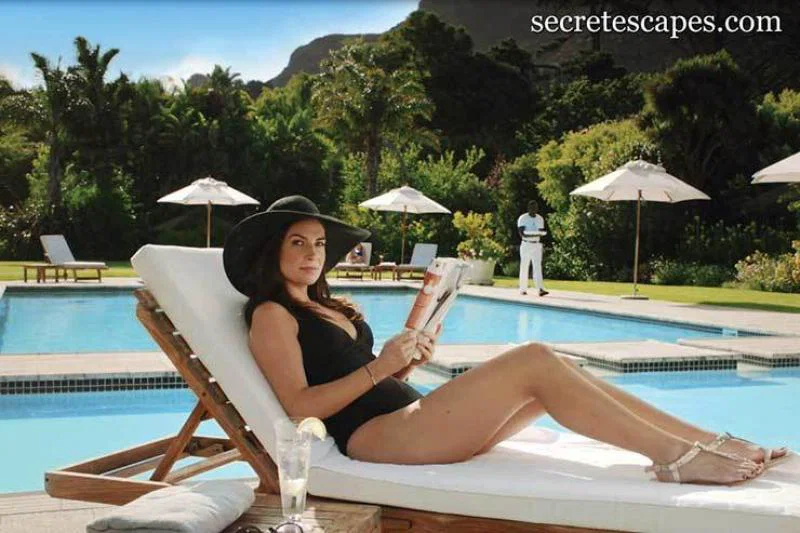
Secret Escapes is probably best known for its adverts featuring the actress Camilla Arfwedson urging people to “join the worst kept secret in luxury travel”.
Alex Saint said that they spent about £250,000 on testing the advert in the first month, which was a “huge, huge amount of money at the time”.