

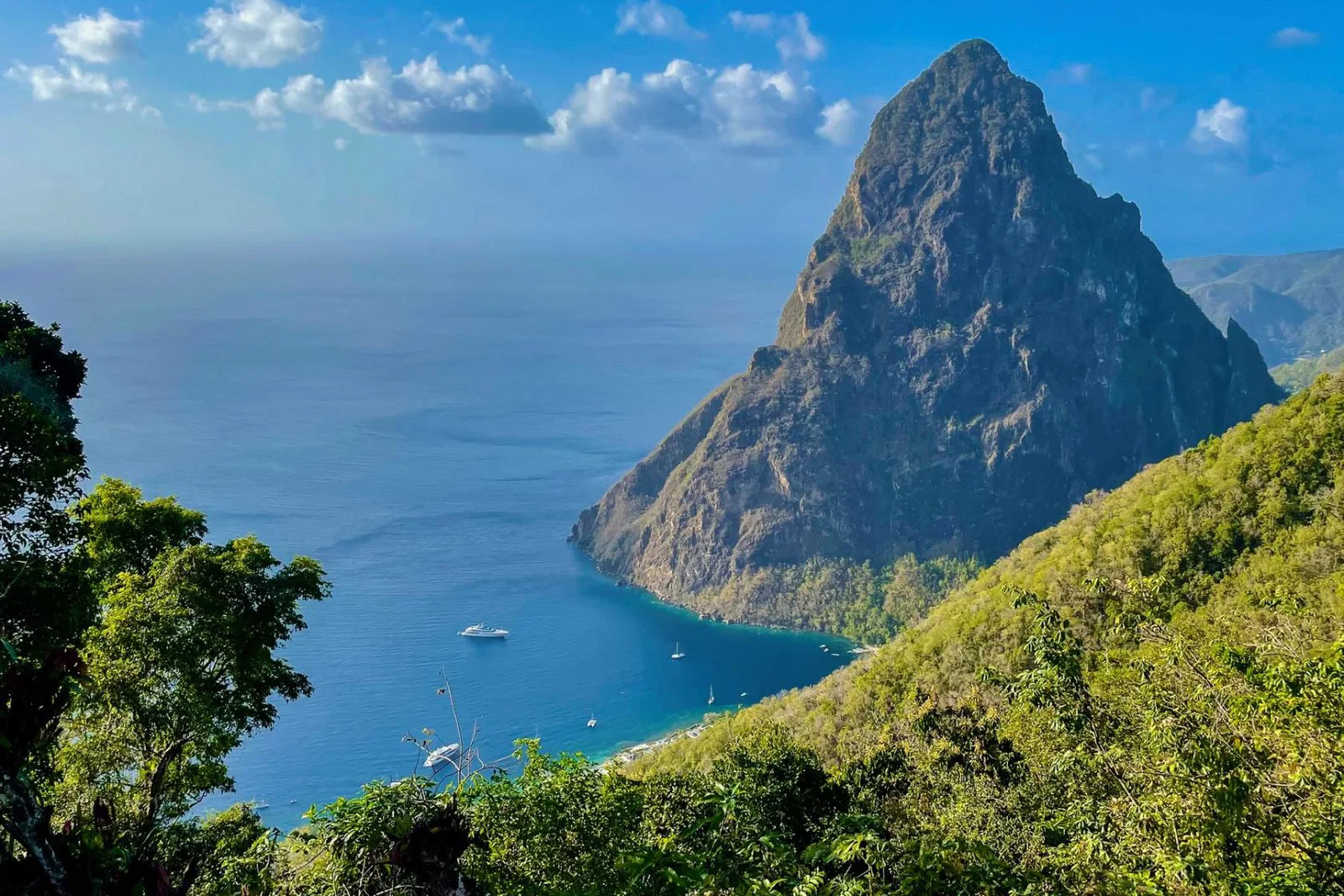
Speaking at an Inclusive Travel Forum event in London on Wednesday (24 June), Patricia Charlery-Leon, UK and Europe Director of the St Lucia Tourism Authority, said the island was having "conversations" around LGBTQ+ issues while stressing that same-sex couples were already travelling to the destination.
"We get gay couples that come to St Lucia and they're wholly welcome," she insisted. "But can we host weddings? No. The absolute truth is we're not there yet, but conversations are being had."
Charlery-Leon said Caribbean destinations had historically faced scrutiny over LGBTQ+ policies but argued that attitudes were changing. "We've evolved and we're getting better," she said.
The comments came during a fireside discussion at the Inclusive Travel Forum, which was hosted at the St Lucia High Commission in London and brought together industry leaders to discuss how destinations can build more inclusive tourism products.
'I'd only see white faces – it infuriated me'
Reflecting on her own career, Charlery-Leon said she had been frustrated by a lack of representation within the travel sector. "I'd flip through the trade press and I'd see nothing but white faces; it infuriated me," she said. "I was determined that I was going to be one of the people in those magazines."
The event also highlighted the commercial opportunity presented by inclusive travel markets. Atlyn Forde, founder of the Inclusive Travel Forum, told delegates that accessible travel in the UK is worth £14.6 billion annually, with disabled travellers and their companions spending more per trip than the average traveller, while the UK halal tourism market is projected to reach £10.4 billion by 2035.
"These are not niche audiences; these are your customers," she said.
'How can everyone get a piece of the pie?'
Forde argued inclusion should not only be viewed through the lens of accessibility or representation, but also through the economic impact tourism has on local communities.
"Tourism has the power to lift people out of poverty," she said. "The question is, how can everyone get a piece of the pie? How can we be intentional about ensuring that those who really need it most can benefit from tourism as well?"
She added ensuring local communities share in tourism's benefits was one of the Inclusive Travel Forum's core priorities.
Charlery-Leon echoed those sentiments as she outlined St Lucia's approach to community tourism, pointing to the island's Community Tourism Agency, established following the Community Tourism Act in 2022.
The agency helps local entrepreneurs develop tourism experiences while assessing projects against criteria including cultural authenticity, economic viability, sustainability and community benefit.
'Local people need to benefit from tourism'
Charlery-Leon said tourism's role in St Lucia extended beyond attracting visitors and generating hotel revenue. "Ultimately, tourism is lived," she explained. "People see it improving their lives, and that's crucial to Saint Lucians. We all want a better lifestyle."
She argued the industry should create opportunities that remain within destinations long after visitors have departed.
"What you'll find in Saint Lucia is that hotels, destination management companies, restaurants and tourism products are increasingly Saint Lucian-owned and run," she said. "Community tourism is about making sure local people benefit in a way that they can literally see how tourism is working for them."
"It's not about coming into a country, making money and taking that money back out," she added. "It is important that local people benefit from tourism and that tourism creates opportunities, training, expertise and skills for local people."