








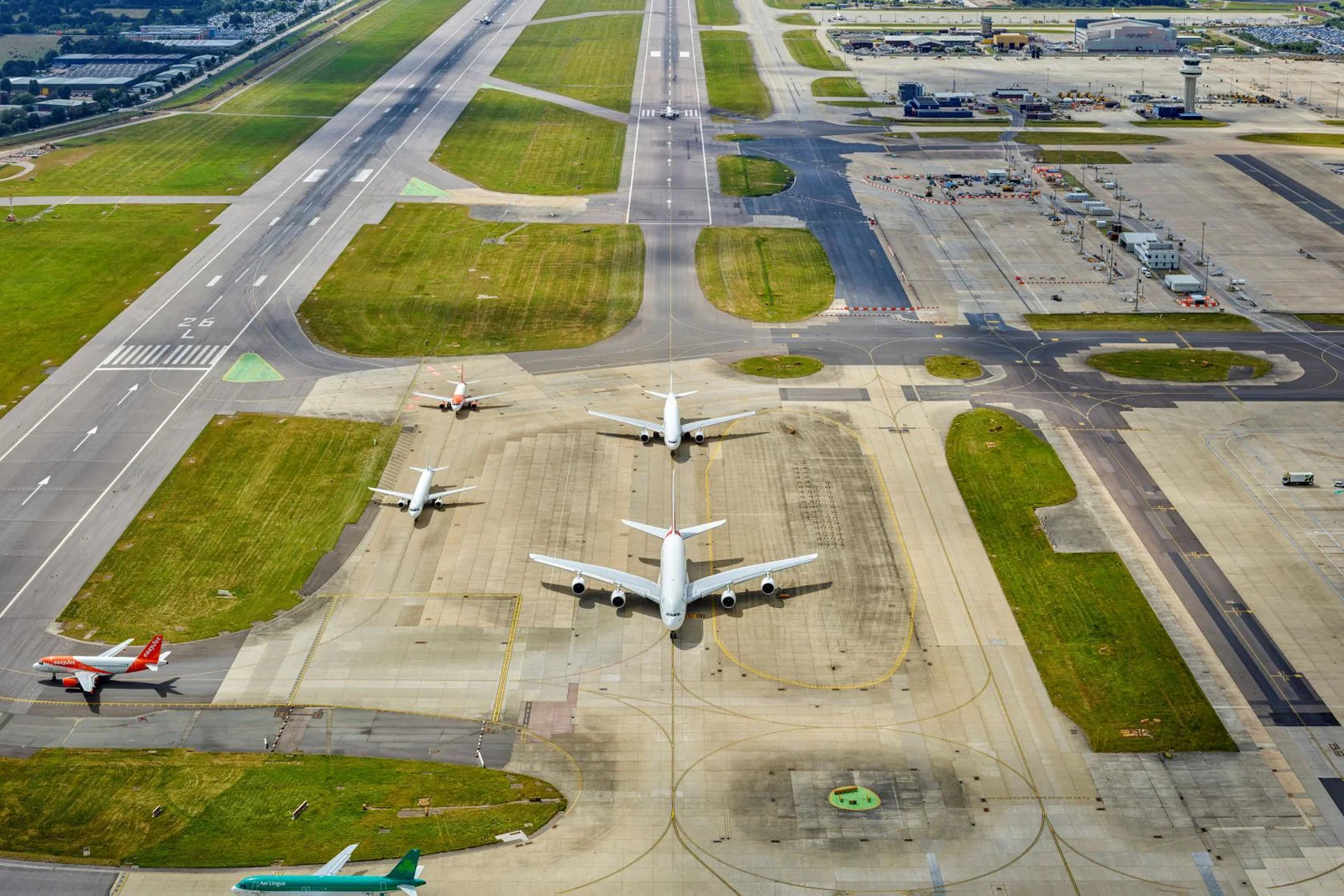
Last September, transport secretary Heidi Alexander approved Gatwick's £2.2 billion proposal to bring its standby runway into routine use, which would allow two-runway operation at the airport.
Once fully operational, two-runway operation at Gatwick would allow the airport to go up from around 280,000 flights a year to nearly 400,000 over the next decade.
The challenges were brought by Communities Against Gatwick Noise Emissions (Cagne) and campaigner Peter Barclay, claiming the government had not fully considered the environmental impacts of allowing Gatwick airport to expand.
However, judge Mr Justice Mould ruled expansion would not impact the UK's ability to meet net zero targets, and rejected the campaigners' argument there wasn't a need for expansion owing to its proximity to Heathrow.
Cagne, though, has said it won't accept the ruling as the final word, and will now consider an appeal. It said the ruling provided no reassurance on increased noise, air quality, emissions, and funding for infrastructure and sewerage works.
"The public should not be left to pay for the infrastructure, environmental damage and disruption created by private gain," said the group, adding: "This government must stop viewing aviation expansion through rose-tinted glasses and relying on unsubstantiated claims of economic benefit while ignoring the vast local and global environmental costs."
By contrast, the aviation sector has welcomed the decision. A Gatwick spokesperson said the airport's plans would deliver "significant business, tourism and trade benefits for the UK". These, they claimed, include 14,000 new jobs and a £1 billion economic boost every year.
They added: "This is a victory for common sense. We now look forward to turning our plans into reality and will announce further details in due course."
Karen Dee, Chief Executive of AirportsUK, the trade body for UK airports, said the ruling rubber-stamped the government's original decision on Gatwick's Northern Runway Project, which she said was subject to "a robust and challenging process before gaining permission".
"This scheme will create thousands of jobs and generate significant economic growth, so the priority now must be in allowing the airport to get on and deliver the project," said Dee. "A sustainable, competitive and resilient aviation sector will ensure the UK remains a global leader, while allowing the whole country to enjoy the benefits that air travel brings."